


Moviglia Method: tissue-directed cell therapy.
The Moviglia Method is a cell therapy technology developed in Argentina. It is based on the natural processes the body uses to repair and remodel its tissues. It combines two cell components: stem cells, which are not yet differentiated and have the potential to become different cell lineages, and immune system cells capable of identifying damaged tissue and inducing stem cell differentiation.
By using the immune system to identify damaged tissues and induce stem cell differentiation, the intervention seeks to reproduce in the laboratory biological processes that occur in the body in response to damage. This principle makes it possible to direct the cell preparation toward the tissue being treated, even in cases of chronic damage.
The Moviglia Method can be combined with other technologies, such as acellular matrices, peptides, hyperbaric chamber therapy or ozone therapy. These interventions can complement cell therapy according to the needs of each case.
Personalized cell therapy20+ years of researchIn-house laboratoryBuenos Aires
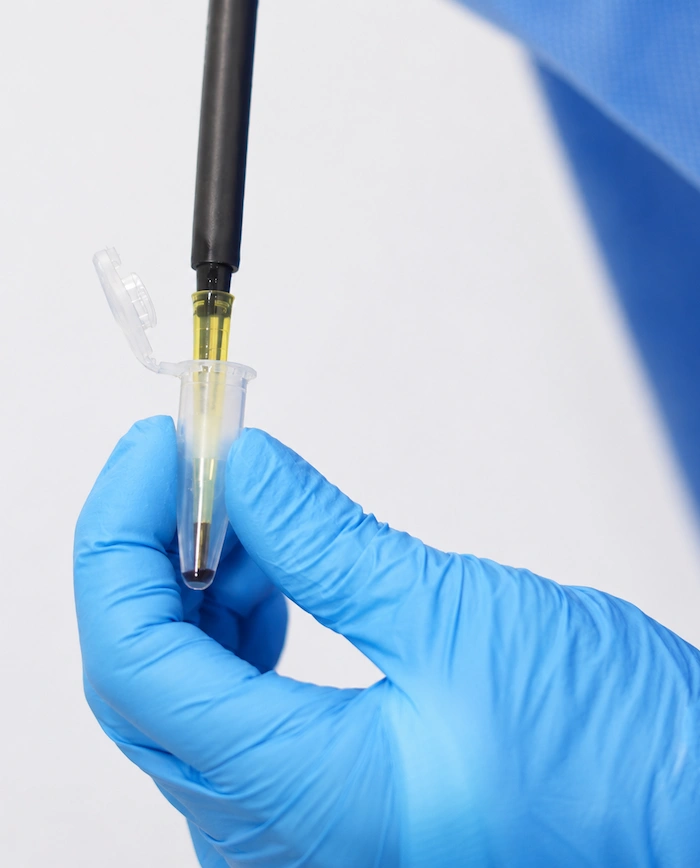
Two cell populations with different functions that work together.
Our body has maintenance and repair mechanisms in which different cells communicate and perform specific functions. The Moviglia Method builds on these biological processes and works with two cell populations: mesenchymal stem cells and immune system cells.
Stem cells
These are cells that have not yet specialized and have three key abilities: they can multiply to generate new cells, migrate to the areas of the body where they are needed and differentiate, that is, become specific cells of different tissues, such as bone, cartilage or muscle. They can be obtained from different sources; the most commonly used are fat, bone marrow, umbilical cord and placenta.
Tissue-specific immune system cells
These are defense cells that circulate in the blood and take part in the body’s natural repair processes. They can recognize damaged tissues and guide stem cells according to the needs of each one. In the laboratory, they are selected and activated specifically for the tissue to be treated.
The interaction between both populations is the foundation of the Moviglia Method: harnessing the biological mechanisms of cell communication to direct the preparation of the therapy toward the tissue identified in the diagnosis.
The scientific principle
Immune system cells can recognize specific structures of our tissues. For example, those that recognize muscle become activated when there are damaged muscle cells and take part in their repair. Our body has cells of this type for each of its tissues. When they interact with stem cells, which do not yet have a defined function, they can guide them to become the type of cell that tissue needs. This interaction is part of the natural mechanisms involved in repairing damaged tissues.
The Moviglia Method replicates this cellular process in the laboratory. In this way, it works with stem cells that have already begun to differentiate and that, as a result, have the potential to take part specifically in the tissue repair process once administered to the patient.
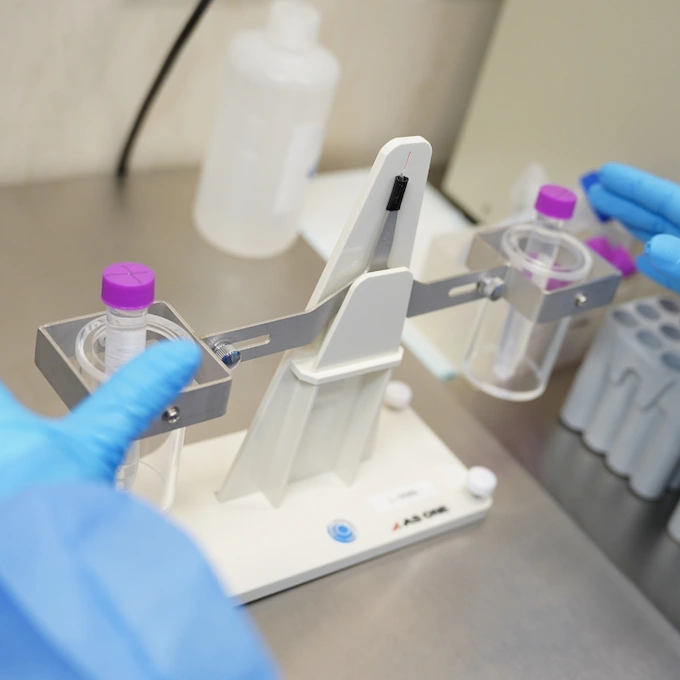
Why it is not a generic cell therapy
The base treatment is autologous: the stem cells come from the patient.
The laboratory process used to differentiate the stem cells is defined according to the tissue being treated.
The number of cells needed in each treatment, as well as the form and frequency of administration, vary according to each patient’s condition.
Individual factors that may facilitate or limit the response to treatment are also taken into account.
This set of criteria makes it possible to define a personalized therapeutic strategy rather than a standardized procedure for any diagnosis.
From the initial consultation to a step-by-step proposal.
1
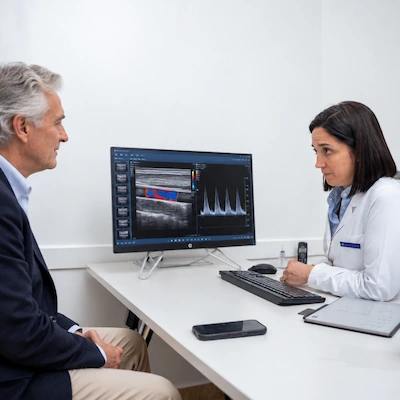
Case evaluation
The physician evaluates the current clinical condition, personal and family history, and the complementary studies performed. When the information is not sufficient, additional evaluations may be requested.
2
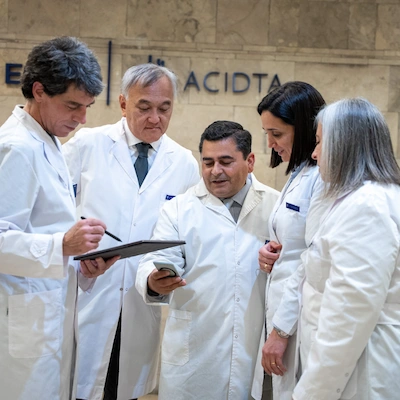
Selection and indication
We assess whether the patient meets the selection criteria to receive cell therapy. In some cases, there are conditions that require another type of approach or that are incompatible with this treatment.

3
Treatment proposal
If there is an indication, the patient receives a proposal with the goals, the tissue to be treated, the planned procedures, the estimated number of applications and the follow-up plan.
4
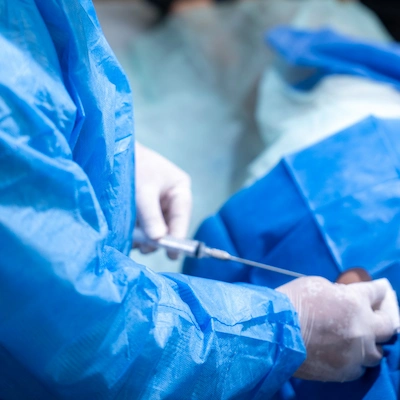
Cell collection
The stem cells and immune system cells are obtained through procedures defined by the medical team.
5
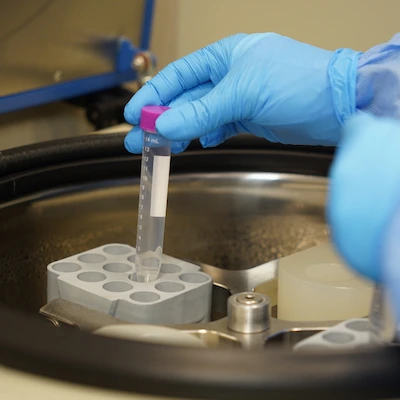
Cell preparation
LYRACELL Lab processes the cells and prepares the necessary populations according to the identified tissue and the criteria of the Moviglia Method. Each preparation is carried out with quality protocols and full traceability.
6
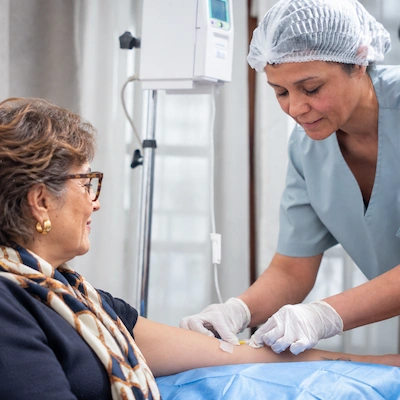
Application
The route, site and technique of administration are determined according to the condition and the structure to be treated. The cells can be applied by intravenous infusion, by intra-arterial infusion or locally (intra-articular, intramuscular, in the skin or in the intervertebral discs). Local applications usually use ultrasound, CT or radiological guidance, depending on each case. This adds specificity and safety to the treatment.

7
Follow-up
The goal of the treatment is to repair the structure of the damaged tissues and, in this way, control symptoms and improve function. For this reason, after the cells are applied, complementary studies (imaging, laboratory and electrophysiological) are performed to objectively assess structural improvement. Future interventions are planned based on the results obtained.
Each stage is defined according to the diagnosis and explained before treatment begins.
How results are measured
The response to treatment is evaluated by combining the evolution of symptoms, such as pain or range of motion, with complementary studies that make it possible to objectively compare the structural and functional condition of the treated tissues: MRI, laboratory tests, echocardiogram, CT or nerve conduction studies, among others. Progress may vary from one patient to another.
Limits and medical indication
Cell therapy can provide cells to a damaged or worn tissue, but it does not automatically replace other treatments.
It is not indicated when the patient has:
- Active infections.
- Cancer.
- Uncontrolled autoimmune diseases, in which the body’s defense system attacks its own tissues.
- Genetic diseases, caused by alterations in the genes.
It is not sufficient on its own for injuries that require surgical repair, such as a complete ligament tear, loss of the normal alignment of a joint or collapse of the joint space (when the bones of the joint come into contact due to loss of cartilage). In those cases it can be evaluated as a complement to surgery.
The initial medical evaluation makes it possible to define whether the patient is a candidate for this therapy. In some cases it may be indicated together with other treatments, such as rehabilitation, medication or surgery.

Research and Evolution
Basic research applied to clinical practice is at the core of all of LYRACELL’s therapeutic strategies. In partnership with ACIDTA, LYRACELL carries out the research projects that provide the scientific foundation for its interventions.
The LYRACELL team brings together more than 20 years of research, with publications in journals such as Science Advances and Journal of Neurorestoratology. That track record does not make the method a closed formula: it drives its review and refinement as new evidence emerges.
Everything you need to know about the Moviglia Method
It is a cell therapy methodology that combines stem cells with previously selected and activated immune system cells to direct the preparation toward the tissue being treated.
The base treatment is autologous: the stem cells come from the patient. Before they are applied, they are combined in the laboratory with immune system cells specific to the tissue to be treated. This combination guides the stem cells to become the type of cell that tissue needs, reproducing a repair mechanism that already exists naturally in the body. That is why the preparation is different for each tissue.
The base treatment is autologous: the mesenchymal stem cells come from the patient and are usually obtained from adipose tissue through a mini-liposuction. They can also be obtained from bone marrow or, if the patient banked them at birth, from the umbilical cord or placenta. The immune system cells are obtained from a blood sample from the patient. In certain cases, depending on the medical indication, immune system cells from a selected donor may be used.
No. The Moviglia Method does not modify the patient’s genome.
No. The indication depends on an individual medical evaluation and the characteristics of the diagnosis.
The number of applications is defined at the start according to the tissue to be treated, which makes it possible to establish a treatment plan with specific goals. At the end of that plan, the corresponding evaluations are carried out and, if needed, new interventions are defined. Since the stem cells come from the patient, the treatment can be repeated when the medical team indicates it.
Find out whether the Moviglia Method could be an option for you.
Request an evaluation to find out whether cell therapy can be part of the right strategy for your case.