


Brain: cell therapy focused on cognitive, motor and autonomic functions.
Frequent forgetfulness, difficulty concentrating or slower information processing may be signs of changes in cognitive function. These symptoms can affect everyday activities and gradually reduce independence. At LYRACELL we evaluate each case from a clinical, neurocognitive, structural and metabolic perspective to determine the origin of the problem and define whether cell therapy can be part of the approach.
Personalized cell therapyComprehensive medical evaluationIntravenous administrationIn-house laboratory

Understanding the brain
The brain is made up of billions of interconnected neurons involved in functions such as memory, language, attention and decision-making.
Biological aging, certain metabolic and vascular processes or some injuries can cause structural and inflammatory changes that gradually affect how these networks work.
Loss of synaptic connectivity
The connections between neurons can weaken and decrease, affecting how quickly the brain processes, stores and retrieves information.
Neuroinflammation and oxidative stress
Persistent inflammatory processes and oxidative stress can alter the brain’s microenvironment, affect neural circuits and limit their natural repair mechanisms.
Brain atrophy and hypoperfusion
Reduced cerebral blood flow and the gradual loss of tissue in areas related to memory and executive functions —such as the hippocampus and frontal cortex— may be associated with difficulty forming new memories and carrying out complex cognitive tasks.

How can it present?
Frequent forgetfulness
Remembering names, appointments, recent conversations or where certain objects were left may start to take more effort.
Difficulty concentrating
Staying focused during a conversation, while reading or on a task may become more difficult.
Slower thinking
Processing information, organizing a response or working through certain situations may take longer.
Difficulty organizing tasks
Activities that require planning, managing or making decisions may gradually become more complex.
Loss of independence
As cognitive changes progress, they may start to interfere with everyday activities and affect the person’s independence.
Your own cells, prepared and directed toward the neural tissue.
The brain has natural remodeling and repair mechanisms. However, in the face of biological aging, prolonged neuroinflammation or accumulated metabolic damage, that capacity may be insufficient.
In these cases, the contribution of cells aims to support biological processes associated with remodeling the neurovascular environment, modulating inflammation and providing trophic support, and to support cognitive function.
The personalized treatment combines two key components:
- Stem cells: can release neurotrophic factors related to the survival of existing neurons, the formation of new connections, or synaptogenesis, and tissue remodeling.
- Immune system cells: help direct the cell preparation and modulate the neuroinflammatory environment.
Under the protocols of the Moviglia Method, the LYRACELL team obtains stem cells from the patient’s own adipose tissue and immune system cells from their blood. The cells are processed in the laboratory and combined as part of a preparation directed toward the neural tissue.
Within this process, the immune system cells take part in the pre-differentiation of the stem cells into neural progenitor cells and in their interaction with the areas under the greatest metabolic, inflammatory or vascular stress.
The combination of both cell types aims to support the body’s natural repair processes, through a personalized approach and under strict safety protocols.
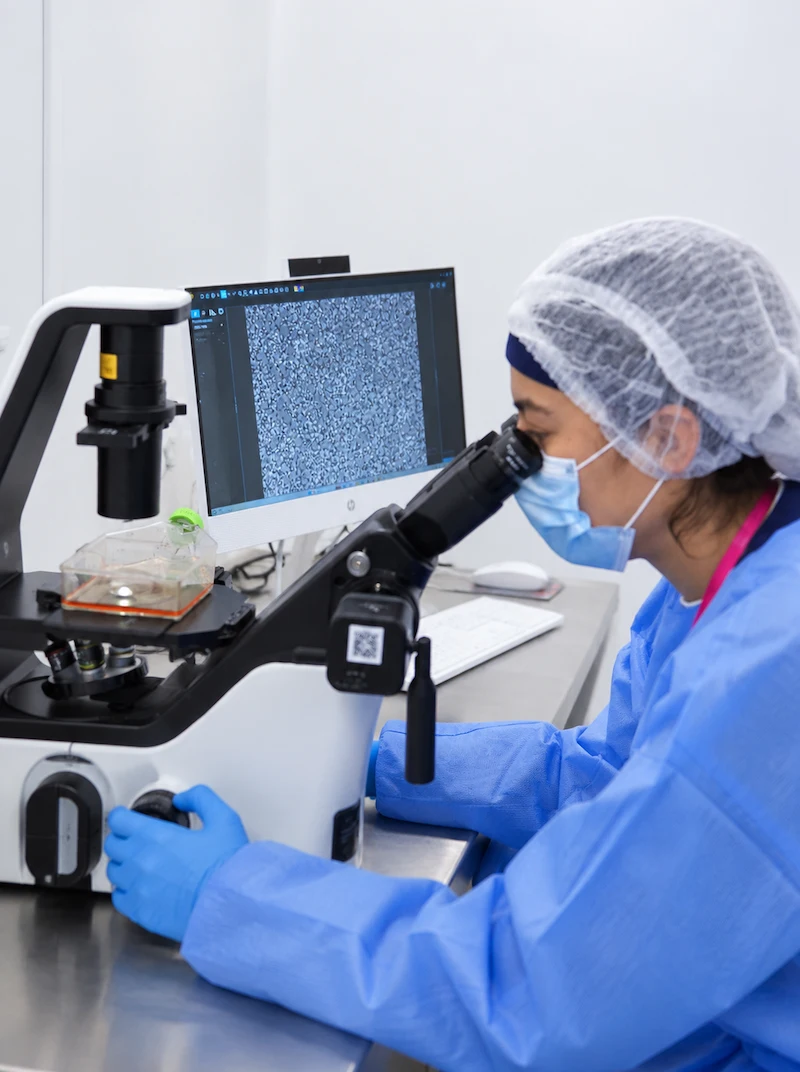
From the laboratory to the neurological approach
The stem cells are obtained from the patient and, together with the immune system cells, are processed in the laboratory following the protocols of the Moviglia Method. There, the LYRACELL team prepares the cell combination according to the defined therapeutic goal before administering it intravenously.


Four stages, a process defined for each case.
From the neurocognitive evaluation to follow-up on progress, each stage is defined by the medical team according to the origin and degree of the problem identified.

1
Evaluation
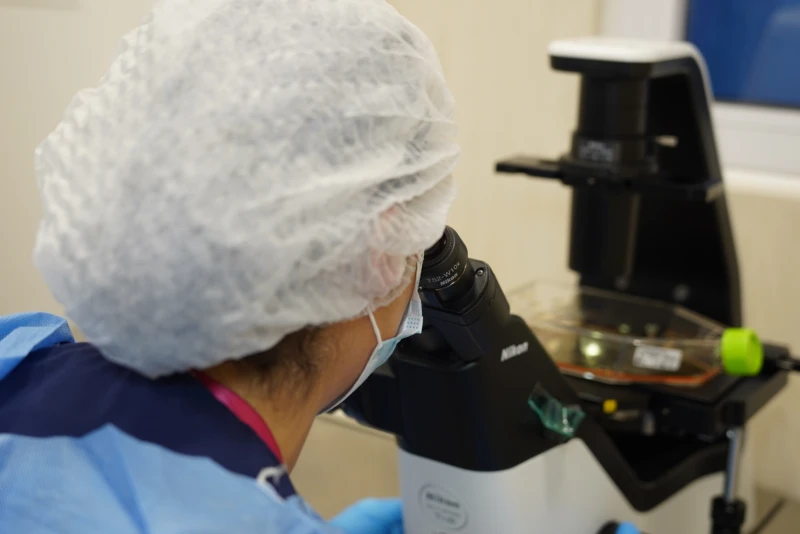
The medical history, symptoms, lifestyle habits and family history are analyzed. This can be complemented with neurocognitive tests, high-resolution brain MRI and metabolic and vascular profile studies to analyze functional and structural involvement and establish a starting point.
2
Treatment proposal
The medical team assesses whether cell therapy may be appropriate. If the patient is eligible, adipose tissue and peripheral blood are collected, and a cell combination is prepared in the laboratory according to the goal of the neurovascular approach.
3
Application
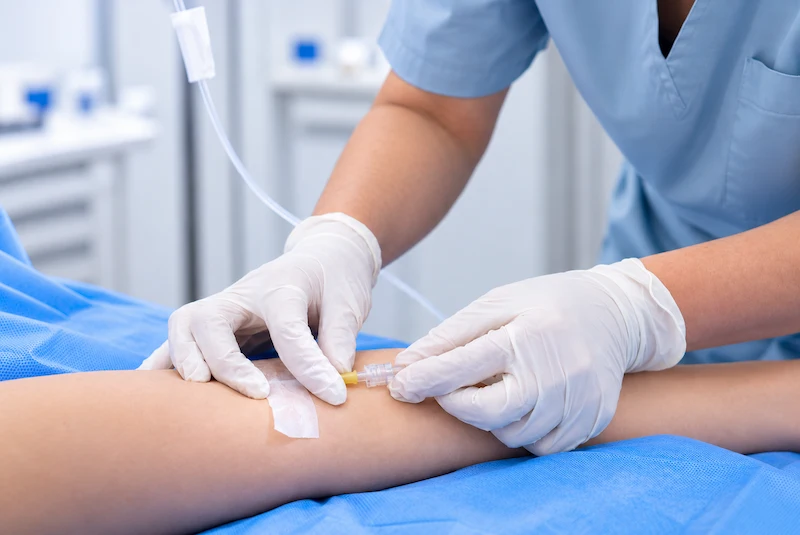
The pre-differentiated stem cells and the specific immune system cells are administered intravenously. The number and frequency of applications are determined individually, according to the characteristics of the condition and the clinical progress.

4
Follow-up
At first, temporary tiredness, mental fog or headache may occur. This is followed by a stage of inflammatory modulation and trophic stimulation, assessed at medical check-ups. As indicated, cognitive stimulation, physical exercise and other interventions may be added to support neural function and plasticity.
An accurate evaluation makes it possible to treat the specific problem, not just the symptom.
Could this treatment be an option for you?
The indication requires an individual medical evaluation and objective identification of cognitive impairment through neuropsychological assessments and additional studies.
It may be an option if…
You have signs of age-related cognitive decline, identified through neuropsychological assessments and imaging studies.
You notice gradual changes in memory, concentration or the speed at which you process information.
The cognitive impairment is associated with a vascular injury, such as a stroke.
You have cognitive after-effects related to a head injury or an episode of prolonged hypoxia.
You want to preserve cognitive function and act on early changes identified through the evaluation.
Another approach may be needed if…
The decline is related to a non-degenerative cause that requires primary treatment, such as a brain tumor, undrained normal pressure hydrocephalus or an acute metabolic or hormonal disorder.
There is a disease of genetic origin, such as cerebellar ataxia or Huntington’s disease.
The diagnosis is a degenerative neurological disease excluded from this indication, such as frontotemporal dementia or Parkinson’s disease.
The indication is defined individually based on the medical and neurocognitive evaluation and the corresponding studies.
Cell therapy is one part of the approach. Cognitive function requires follow-up.
After the application, the medical team defines a follow-up plan according to the diagnosis, the starting point and each patient’s progress.
First days
Temporary general symptoms may occur, such as tiredness, a feeling of mental fog or headache. The medical team carries out follow-up and provides the corresponding guidelines for each case.
Cognitive stimulation and habits
Cognitive stimulation and physical exercise can be part of the approach. Supplementation and hyperbaric chamber treatment may also be considered when there is a specific medical indication.
Measurable results
Progress can be assessed through clinical check-ups and new neurocognitive evaluations, comparing memory, attention, processing speed and independence with the starting point. When indicated, imaging studies and metabolic or vascular parameters may be added.
Frequently asked questions
No. Changes in memory or concentration can have different causes. Before defining any treatment, an evaluation is needed to identify their origin and determine whether there is measurable cognitive impairment.
The evaluation considers the medical history and symptoms and may include neurocognitive tests, brain MRI and metabolic and vascular studies.
The base treatment is autologous: the stem cells are obtained from the patient’s own adipose tissue and the immune system cells from their blood. In certain cases, depending on the medical indication, immune system cells from a selected donor may be used.
Under the protocols of the Moviglia Method, the stem cells are processed in the laboratory and combined with specific immune system cells that take part in their pre-differentiation into neural progenitor cells.
The preparation of pre-differentiated stem cells and specific immune system cells is administered intravenously.
Usually, two to three applications are scheduled over a period of 6 to 12 months. The number is defined at the start of treatment, according to the characteristics of each case, as part of a plan with specific goals. At the end of the plan, progress is assessed and, if needed, further interventions are defined.
Cognitive impairment secondary to a stroke, a head injury or an episode of prolonged hypoxia can be evaluated by the medical team. Whether cell therapy can be added to the approach is determined individually.
The first step is understanding what is changing.
Every treatment begins with a medical evaluation to understand the patient’s cognitive function, history and studies, identify the origin of the problem and determine which approach may be right.