


Temporomandibular joint: cell therapy applied to temporomandibular joint involvement.
Pain when chewing, locking, joint noises or difficulty opening the mouth may be related to structural involvement of the temporomandibular joint (TMJ). At LYRACELL we evaluate the articular disc, the bone surfaces, the muscles and the ligaments involved to determine whether cell therapy can be part of a personalized treatment.
Personalized cell therapyLocalized applicationMinimally invasiveIn-house laboratory

Understanding the temporomandibular joint
The temporomandibular joint connects the jaw to the temporal bone of the skull and allows essential movements such as opening and closing the mouth or moving the jaw sideways.
Between the two surfaces there is a fibrocartilaginous disc that acts as a cushion and makes movement easier. When the TMJ deteriorates, the involvement may affect the disc, the joint surfaces, the mandibular condyle, the synovial membrane and the chewing muscles at the same time.
Displacement or wear of the articular disc
The fibrocartilaginous disc can move out of position or gradually deteriorate. As it loses part of its cushioning function, clicking, crepitus or jaw locking may appear.
Condylar flattening and erosion
Abnormal contact between the joint surfaces can cause wear of the mandibular condyle and the glenoid fossa, as well as inflammation and the formation of osteophytes.
Hypertonia and periarticular inflammation
Joint overload and factors such as bruxism can cause tension or spasms in chewing muscles such as the masseter, temporalis and pterygoid muscles, as well as inflammation of the synovial membrane, or synovitis.
Disc displacement, deterioration of the joint surfaces and muscle or synovial involvement can occur at the same time.
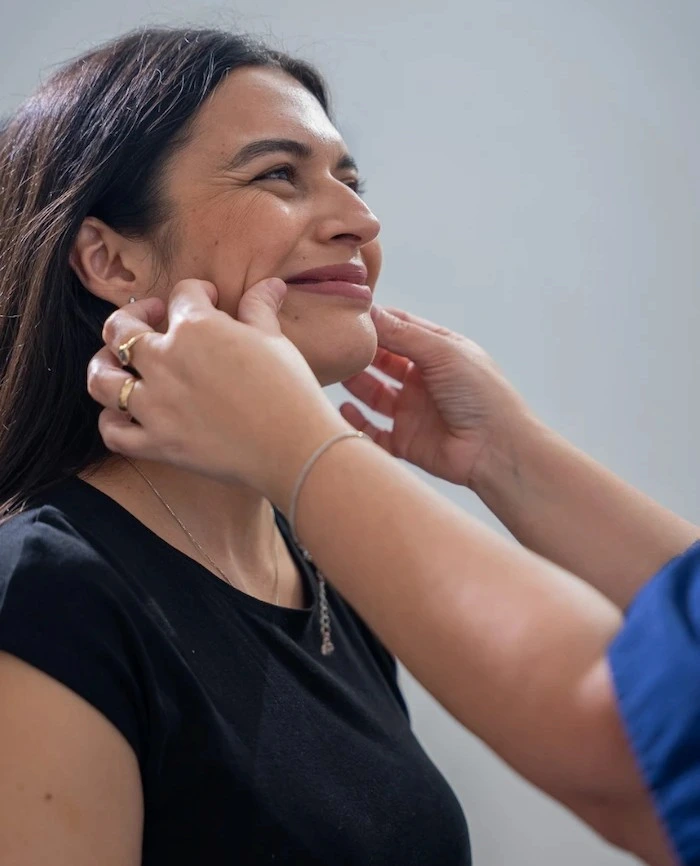
How can it present?
Pain when chewing
Biting hard foods or keeping the jaw active for long periods can cause or worsen discomfort.
Clicking or crepitus
Noises may appear when opening, closing or moving the jaw sideways.
Limitation or locking
Mouth opening may be reduced, or the jaw may lock momentarily during certain movements.
Muscle tension
Overload of the chewing muscles can cause a feeling of stiffness or fatigue in the jaw.
Referred pain
Discomfort may spread toward the ear, head or neck and come with recurrent headaches.
Your own cells, directed toward the affected structures of the joint.
The body has natural mechanisms to repair its tissues. However, in the case of severe trauma, severe and prolonged bruxism, bite (occlusion) problems or biological aging, that capacity may not be enough.
In these cases, the contribution of cells seeks to support biological processes related to the repair and remodeling of joint tissues, modulate local inflammation and support the recovery of jaw function.
The personalized treatment combines two key components:
- Mesenchymal stem cells: they are part of a preparation intended to support biological processes associated with the synthesis of fibrocartilaginous matrix, the remodeling of connective tissue and the protection of the remaining joint cells.
- Immune system cells: they help direct the cell preparation and shape its interaction with the inflammatory environment and the affected structures.
Under the protocols of the Moviglia Method, the LYRACELL team obtains stem cells from the patient’s own adipose tissue and immune system cells from the blood. The cells are processed in the laboratory and combined as part of a preparation directed toward the structures identified during diagnosis.
The preparation is administered through a localized injection into the temporomandibular joint, with the aim of supporting biological processes associated with tissue repair and remodeling and supporting the progress of jaw function.
The combination of both cell types seeks to support the body’s natural repair process, through a personalized approach and under strict safety protocols.
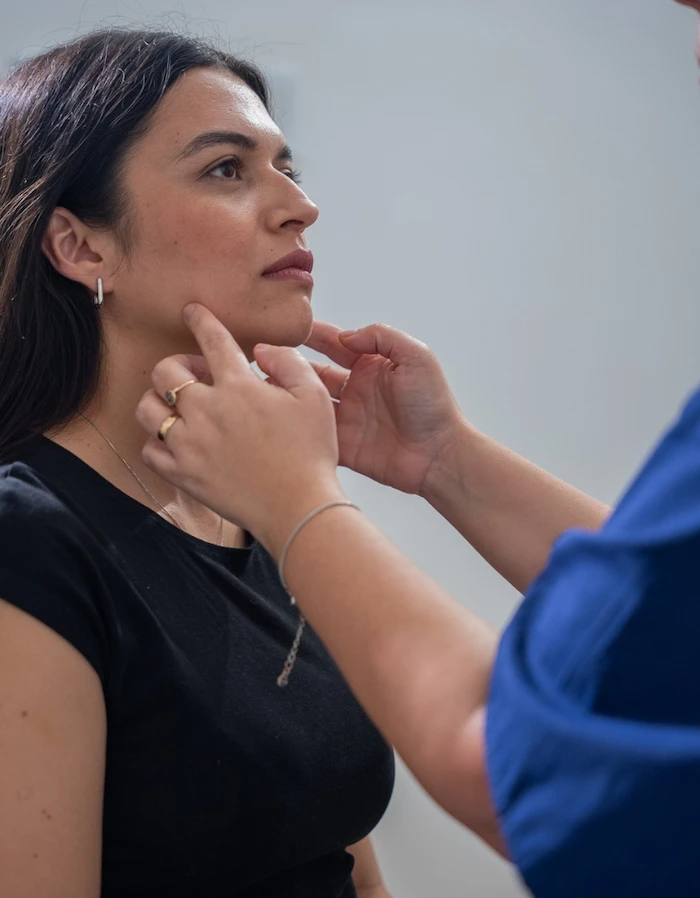
From the laboratory to the joint
The stem cells are obtained from the patient and, together with immune system cells, are processed in the laboratory following the protocols of the Moviglia Method. Based on the diagnosis and the structures involved, the LYRACELL team prepares a specific cell combination adapted to the osteoarticular and disc requirements before its localized application into the TMJ.

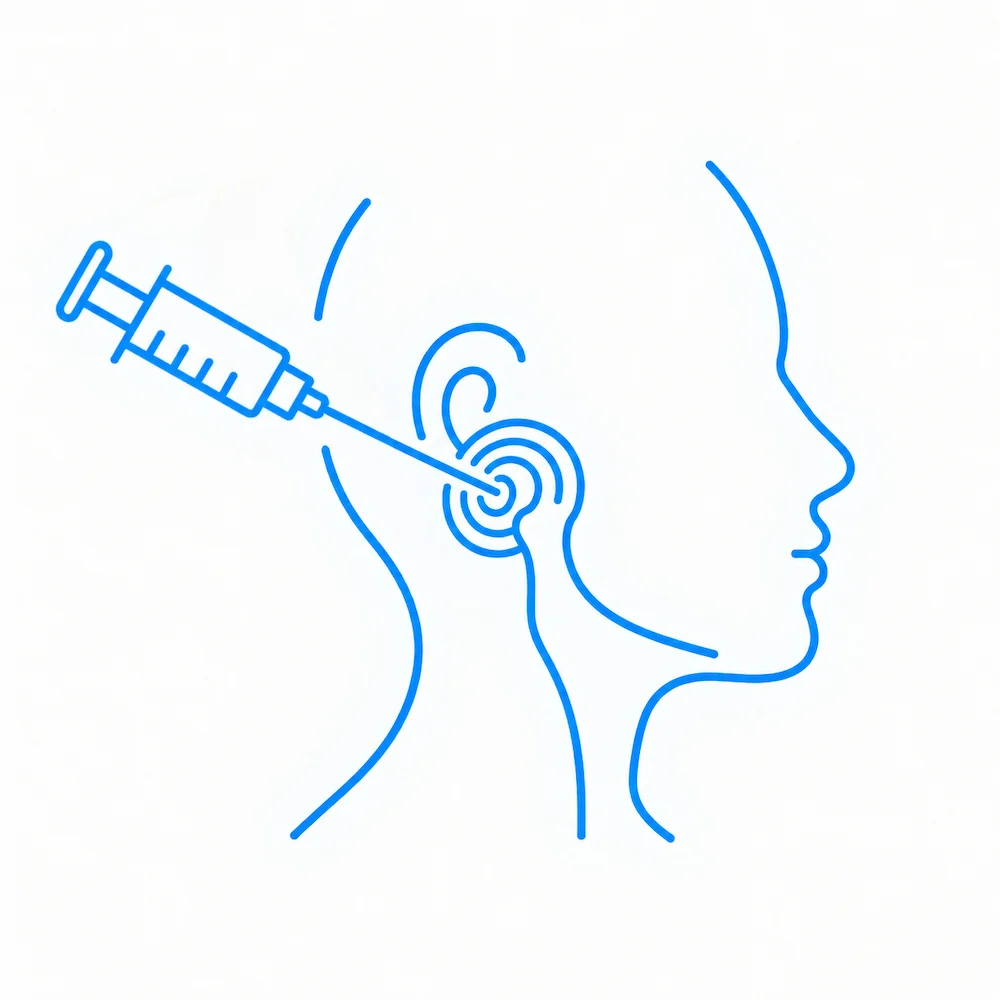
Four stages, one process defined by the mechanics of your jaw.
From identifying the affected structures to following up on function, each stage is defined according to the characteristics of each case.
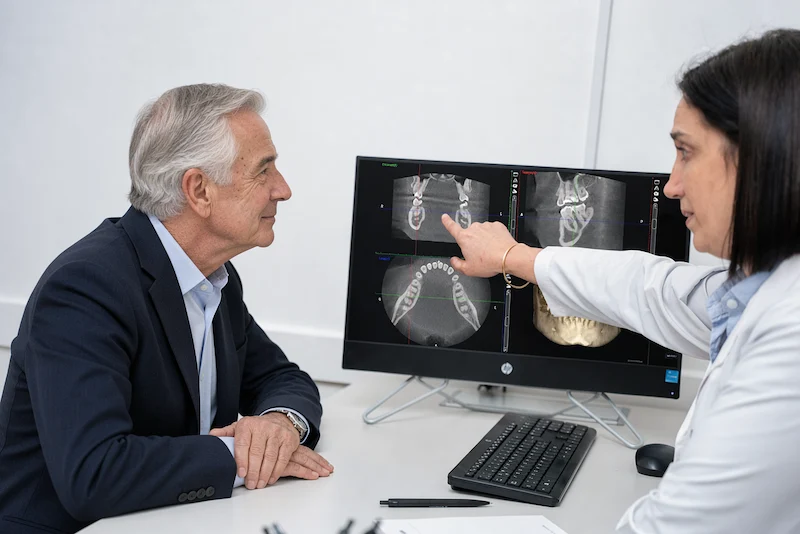
1
Evaluation
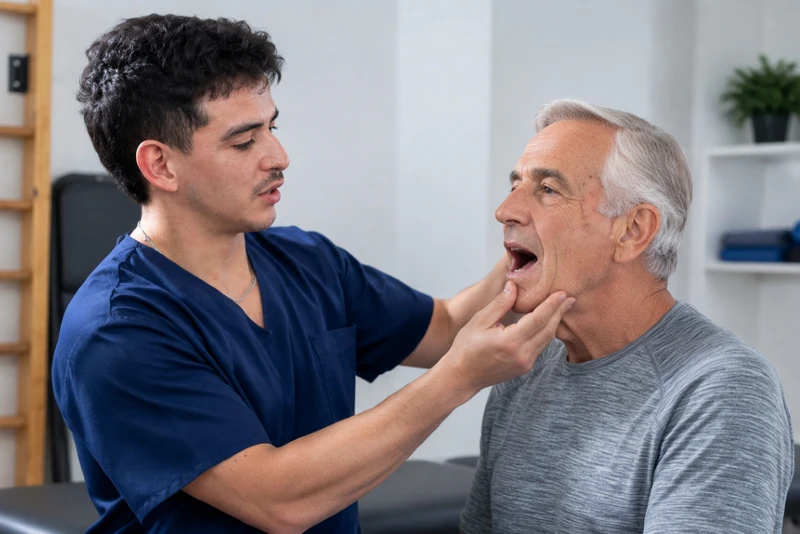
We review the medical history, any history of bruxism or trauma, chewing habits and how long the pain has been present. This can be complemented with condylar X-rays, TMJ MRI and cone beam CT to analyze the disc, the joint surfaces and the condyles.
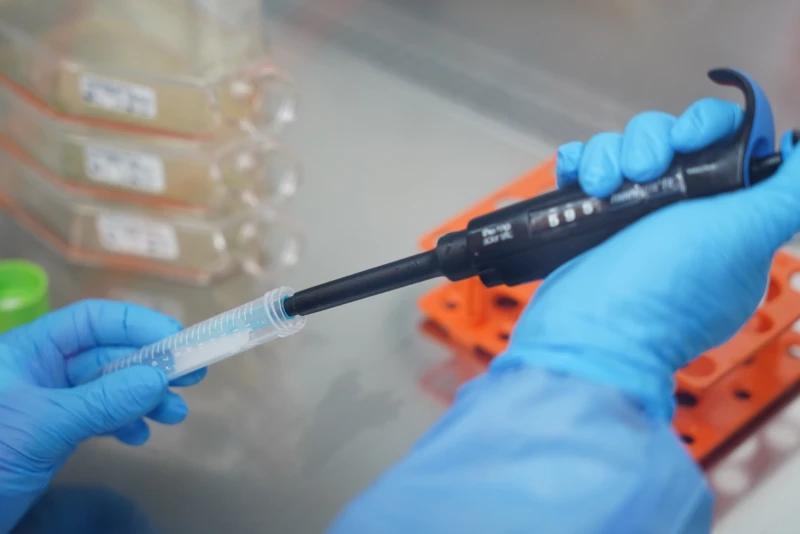
2
Treatment proposal
The medical team assesses whether cell therapy may be appropriate and which structures to treat. If the patient is eligible, adipose tissue and peripheral blood are collected, and a combination adapted to the osteoarticular and disc involvement is prepared in the laboratory.
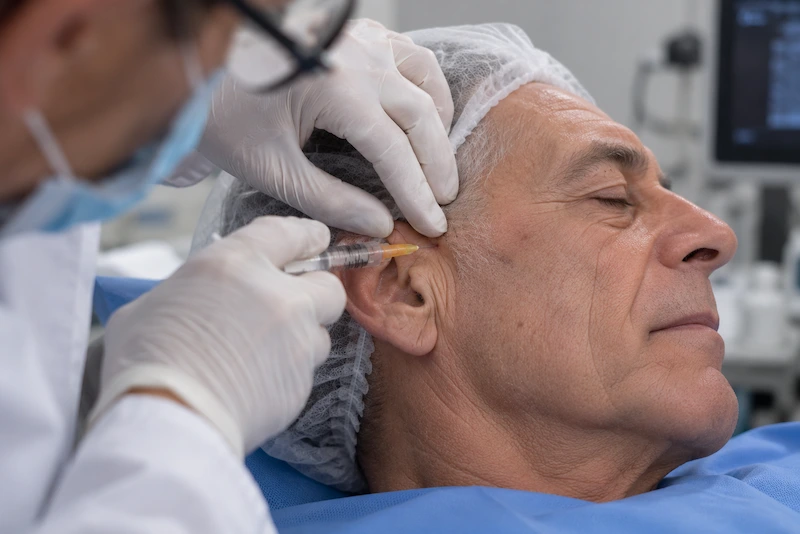
3
Application
The cell preparation is administered through a localized injection into the temporomandibular joint. The number and frequency of applications are determined individually according to the degree of involvement and the clinical progress observed.
4
Follow-up
Progress is evaluated over the following weeks and months. It can be complemented with maxillofacial physical therapy, occlusal splints and biomechanical retraining to reduce muscle overload. Follow-up assesses pain, mouth opening, chewing function and joint noises.
An accurate evaluation makes it possible to treat the specific problem, not just the symptom.
Could this treatment be an option for you?
The indication is defined individually and requires identifying structural or functional involvement of the TMJ through clinical evaluation and the corresponding studies.
It may be an option if…
You have temporomandibular joint dysfunction with structural or functional involvement.
There is TMJ osteoarthritis identified by studies.
You have an internal derangement or deterioration of the articular disc.
Pain or limitation affects chewing, opening your mouth or other everyday movements.
You have clicking, crepitus or episodes of locking associated with joint involvement.
There is bruxism or biomechanical overload that has contributed to the deterioration of the structures.
You want to address the affected structures and support the recovery of function.
You want to preserve joint function and act on early signs of structural deterioration.
Another approach may be needed if…
There is severe joint ankylosis or massive bone destruction, with complete fusion of the joint and the need for complex surgical reconstruction or a total TMJ replacement.
The facial pain has a neurological origin unrelated to the joint, such as acute-phase trigeminal neuralgia not associated with the TMJ.
There is an active dental or masticatory infection that requires prior dental treatment.
The indication is defined individually based on the clinical evaluation and the corresponding studies.
Treating the joint is part of the process. So is correcting the overload.
After the application, the medical team defines a follow-up plan according to the structures treated, the origin of the damage and each patient’s progress.
First days
The medical team indicates the post-application care and any temporary changes to jaw activity that apply in each case.
Physical therapy and jaw biomechanics
Maxillofacial physical therapy, occlusal splints and biomechanical retraining can complement cell treatment by working on the muscles and the mechanisms that overload the TMJ. The goal is to support the recovery of jaw dynamics and reduce the persistence of mechanical factors associated with the damage.
Measurable results
Check-ups make it possible to assess changes in pain, mouth opening, chewing function and joint noises. When indicated, new imaging studies can be added to compare the condition of the structures with the starting point.
Frequently asked questions
It is the joint that connects the jaw to the temporal bone of the skull. Between its surfaces there is a fibrocartilaginous disc that acts as a cushion and takes part in opening, closing and side-to-side movements.
Clicking or crepitus may be related to changes in the position or condition of the articular disc and to changes in the joint surfaces. The cause must be determined through an evaluation.
Yes. Severe and prolonged bruxism can keep the joint overloaded and contribute to the deterioration of its structures.
The evaluation can be complemented with condylar X-rays, joint MRI and cone beam computed tomography, depending on the structures that need to be analyzed.
The base treatment is autologous: the stem cells are obtained from the patient’s own adipose tissue and the immune system cells from their blood. In certain cases, depending on the medical indication, immune system cells from a selected donor may be used.
The preparation is administered through a localized injection into the temporomandibular joint.
The number of applications is defined at the start of treatment, according to the degree of involvement, as part of a plan with specific goals. At the end of the plan, progress is evaluated and, if needed, new interventions are defined.
The repair and remodeling process can begin in the weeks after the application and continue over the following months. Progress is evaluated through clinical and functional follow-up, without a single fixed response time.
They do not serve the same purpose. Occlusal splints, maxillofacial physical therapy and biomechanical retraining can complement cell therapy by acting on the overload and dynamics of the jaw.
The first step is understanding what is affecting the movement of your jaw.
Every treatment begins with an evaluation to identify the structures involved, understand the origin of the damage and determine which approach may be right for you.