


Skin: cell therapy to reverse skin aging and improve skin quality.
Loss of elasticity, sagging, deep wrinkles or changes in texture and radiance may reflect structural changes associated with aging and accumulated skin damage. At LYRACELL we assess the condition of the tissue and the affected areas to define a personalized cell therapy treatment, according to the characteristics of each case and under medical criteria.
Personalized cell therapyLocalized applicationNo surgeryIn-house laboratory
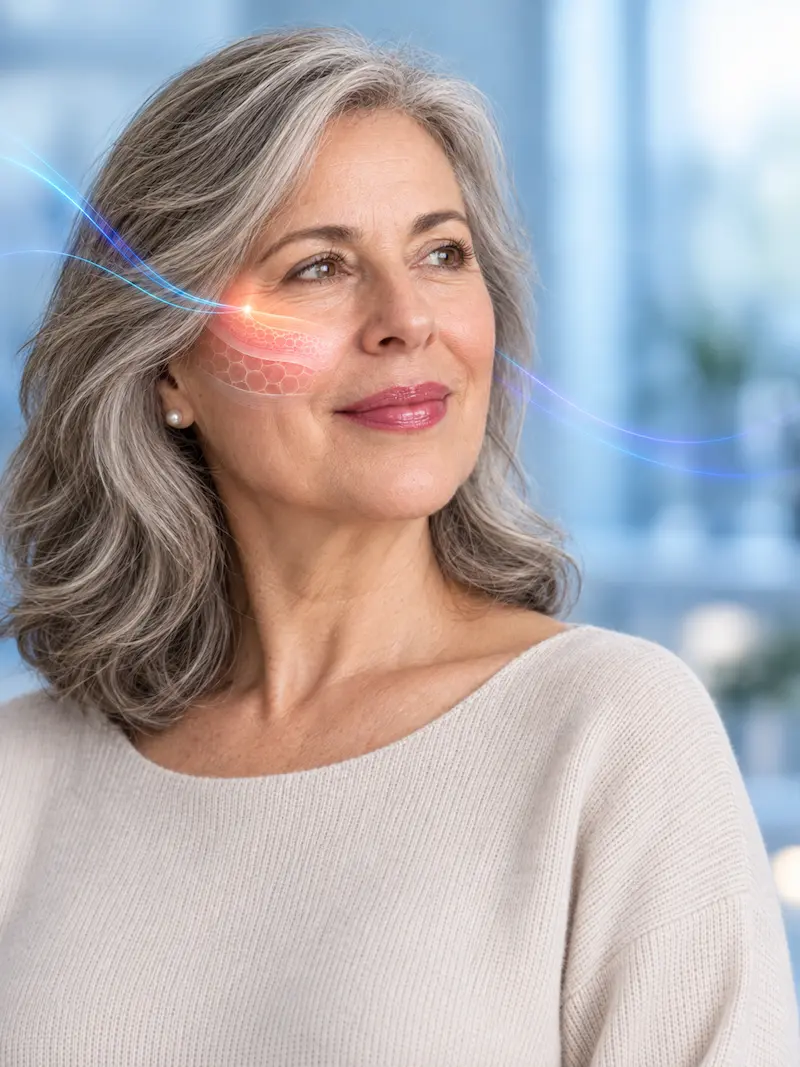
Understanding the skin
The skin is the largest organ in the body and is made up of three main layers —epidermis, dermis and hypodermis— that provide protection, hydration and support.
With biological aging and accumulated exposure to various external factors, changes can occur in key components of these structures. Collagen loss, changes in the extracellular matrix and oxidative damage usually occur at the same time.
Collagen and elastin breakdown
Reduced collagen production and the fragmentation of elastin fibers gradually reduce the firmness and elasticity of the tissue, leading to sagging, loss of volume and wrinkles.
Dermal thinning and loss of extracellular matrix
A reduction in components such as hyaluronic acid and proteoglycans can decrease the skin’s ability to retain water and contribute to loss of thickness and a more uneven texture.
Oxidative stress and photodamage
Sun exposure, pollution and other factors that promote oxidative stress can contribute to low-grade inflammatory processes and affect both cell turnover and the small blood vessels that supply oxygen and nutrients to the tissue.
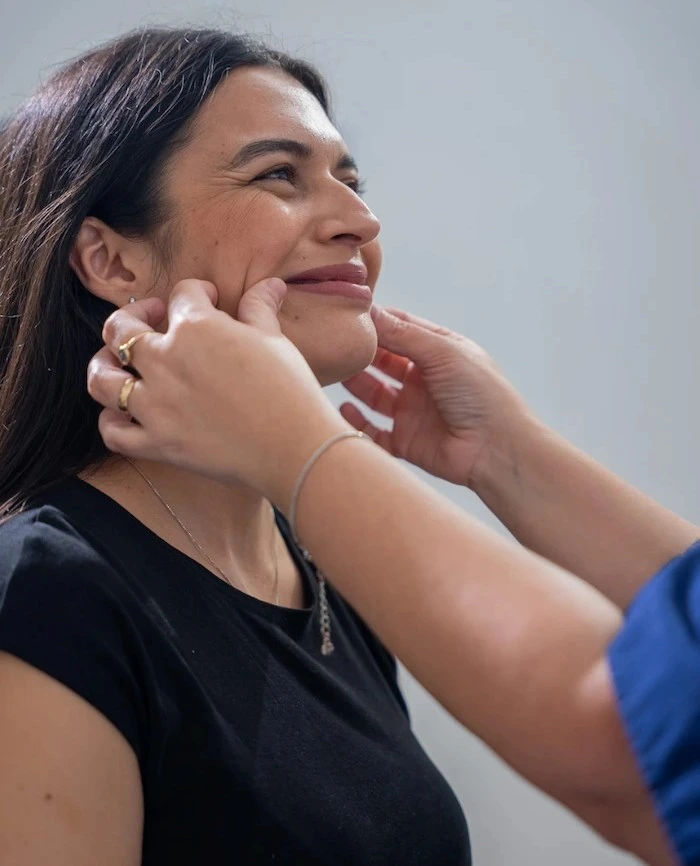
How can it present?
Loss of firmness
Reduced collagen and elastin can cause the skin to gradually lose support and tone.
Deeper wrinkles
Structural changes in the dermis can make certain lines and folds more visible.
Changes in texture
Dermal thinning and changes in the extracellular matrix can create a less even surface.
Loss of volume
Deterioration of the supporting structures can gradually change the volume and appearance of certain areas.
Less radiance
Accumulated damage and changes in the skin’s microenvironment can cause it to lose part of its even, healthy appearance.
Your own cells, directed toward the structures of the skin.
The body has natural mechanisms to maintain and repair its tissues. However, in the face of accumulated sun exposure, hormonal changes, prolonged stress or biological aging, this capacity may be insufficient.
In these cases, the contribution of cells aims to support biological processes associated with the remodeling of the skin’s microenvironment, modulate local inflammation and support the recovery of tissue quality.
The personalized treatment combines two key components:
- Mesenchymal stem cells: can take part in processes related to tissue remodeling and the production of components such as collagen, elastin and hyaluronic acid.
- Immune system cells: help direct the cell preparation and support its interaction with the structures of the dermis and the inflammatory environment of the tissue.
Under the protocols of the Moviglia Method, the LYRACELL team obtains stem cells from the patient’s own adipose tissue and immune system cells from their blood. The cells are processed in the laboratory and combined as part of a preparation directed toward the skin tissue.
The preparation is administered through localized applications in the dermis, with the aim of supporting the progress of characteristics such as the firmness, elasticity, thickness and hydration of the skin.
The combination of both cell types aims to support the body’s natural repair process, through a personalized approach and under strict safety protocols.
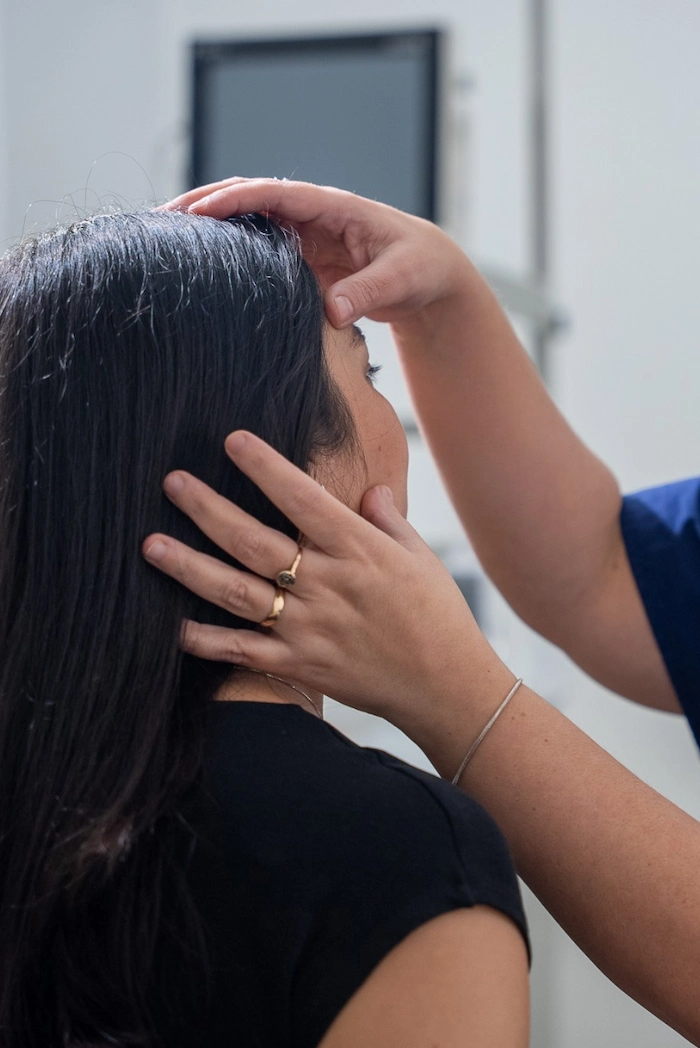
From the laboratory to your skin
The stem cells are obtained from the patient and, together with the immune system cells, are processed in the laboratory following the protocols of the Moviglia Method. Based on the characteristics of the skin and the areas identified during the evaluation, the LYRACELL team prepares a specific cell combination before its application.

Four stages, a process defined by your skin’s needs.
From evaluating the tissue to following up on its progress, each stage is defined according to the characteristics and the degree of involvement identified.
1
Evaluation
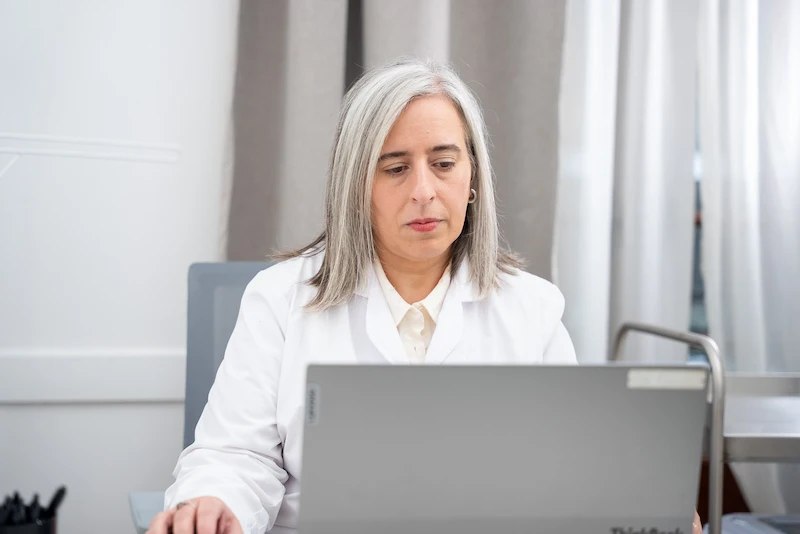
The medical history, background, lifestyle habits, sun exposure and how long the signs of aging or photodamage have been present are reviewed. The medical team assesses the characteristics of the skin and the areas to be treated to establish a starting point.
2
Treatment proposal
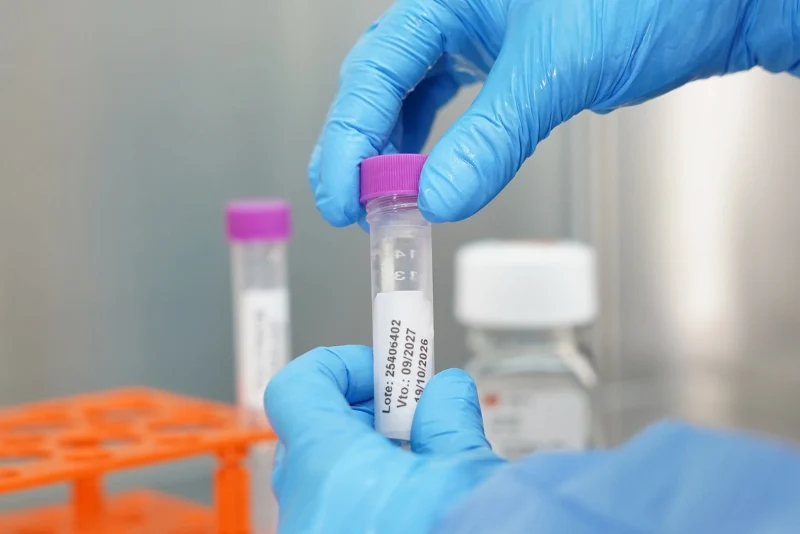
The medical team determines whether cell therapy may be appropriate and defines the preparation. If there is an indication, adipose tissue and peripheral blood are collected from the patient to prepare a cell combination adapted to the skin’s requirements.
3
Application
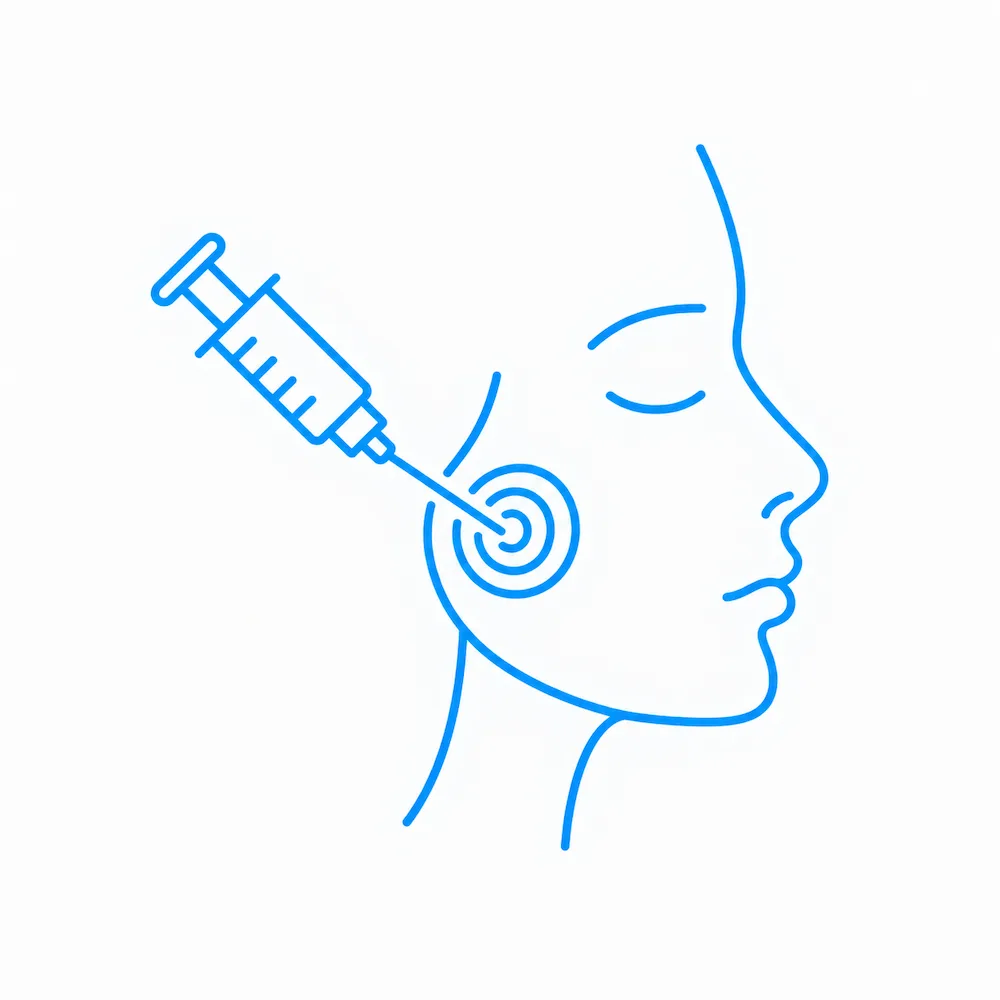
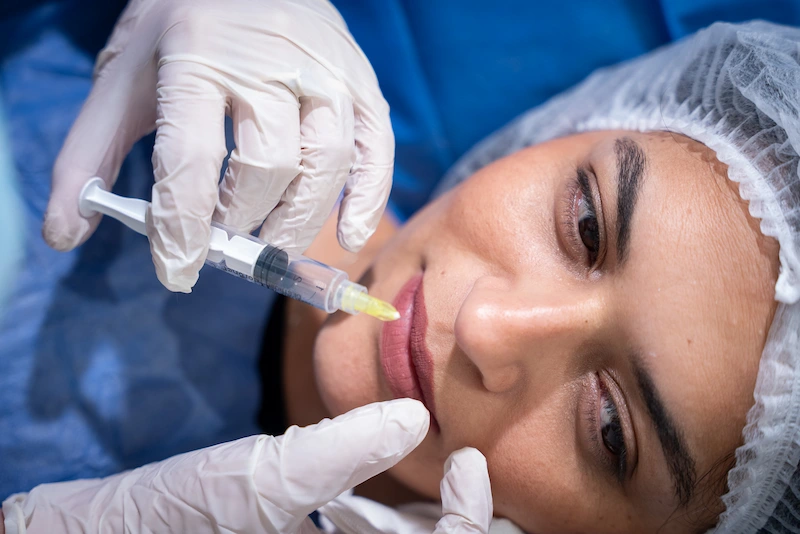
The preparation can be applied with microinjections into the dermis of areas such as the face, neck, décolletage or hands. The number and frequency are defined according to the characteristics of the tissue and its progress.
4
Follow-up
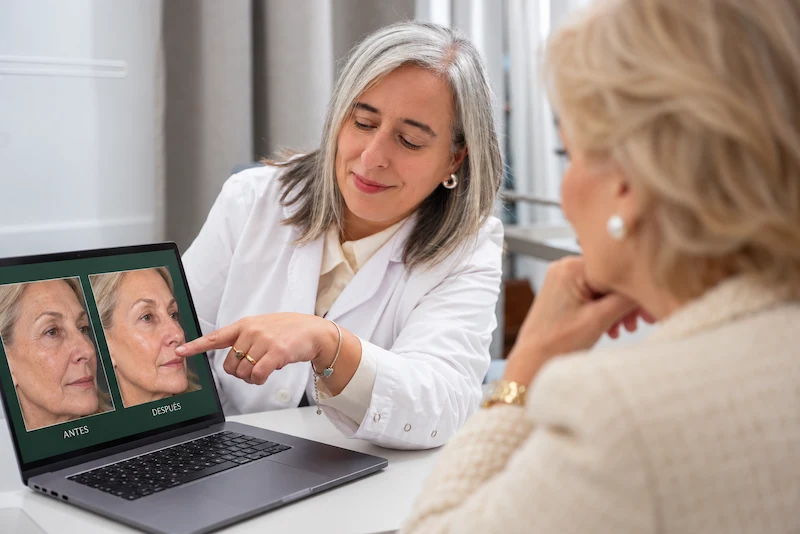
Mild discomfort or temporary redness may appear at the application sites during the first days. In the following weeks and months, follow-up assesses the progress of the skin’s firmness, texture, elasticity and overall appearance.
An accurate evaluation makes it possible to treat the specific problem, not just the visible sign.
Could this treatment be an option for you?
The indication is defined individually based on the condition of the skin, the signs of aging or photodamage and the medical evaluation.
It may be an option if…
You have signs of skin aging that affect the firmness, elasticity or texture of your skin.
There is solar elastosis or photodamage associated with accumulated exposure to solar radiation.
You have started to notice sagging or loss of volume.
Wrinkles have become deeper or more visible.
You want to improve tissue quality through a medically defined regenerative approach.
You want to preserve skin quality and act on early signs of aging or structural deterioration.
Another approach may be needed if…
There are active malignant or premalignant skin lesions, untreated skin cancer or suspicious lesions that first require evaluation, biopsy or removal.
There is an active autoimmune skin disease, such as severe psoriasis or cutaneous lupus.
There is an active bacterial or viral infection in the area to be treated, such as active herpes simplex.
The indication is defined individually based on the medical evaluation and the condition of the skin.
Images that make it possible to compare progress.
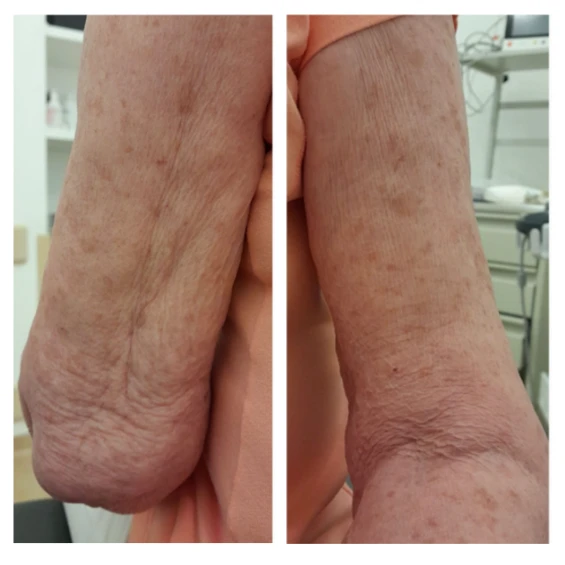
Follow-up images make it possible to compare the condition of the skin before treatment and at later check-ups. They correspond to specific cases: the response, timing and degree of progress vary from patient to patient.
Before
After
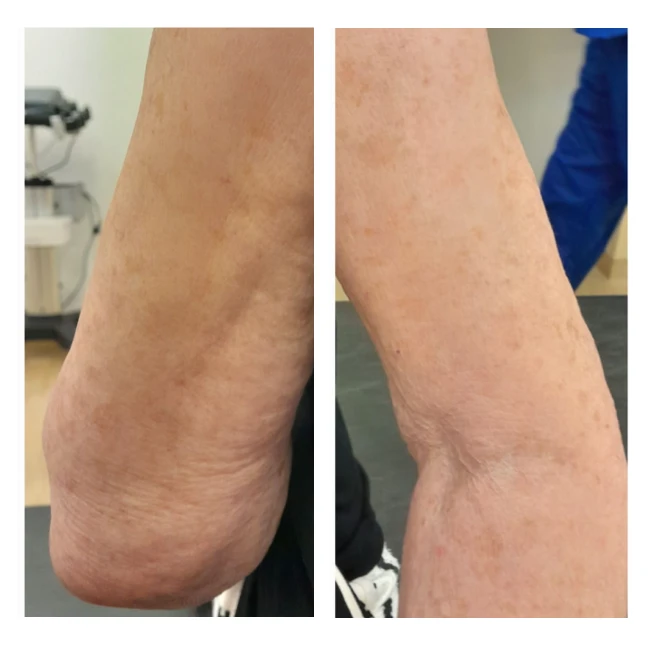
A 68-year-old patient with sagging and wrinkled skin on the arms, caused by sudden weight loss combined with natural aging.
The patient received 3 applications of regenerative treatment. Comparing the before and after photos, we found:
- Firmer, tighter skin: in the after photos, the skin fits the arm more closely and has fewer sagging folds, especially around the elbow.
- Fewer fine wrinkles: the small “crepe paper” wrinkles, very noticeable in the before photos, look much softer.
- Smoother, more even texture: the skin’s surface looks more even and healthier.
These results show an improvement in the firmness and quality of the skin. The changes are due to the skin recovering part of its ability to regenerate.
Results may vary from person to person. Each case is evaluated individually.
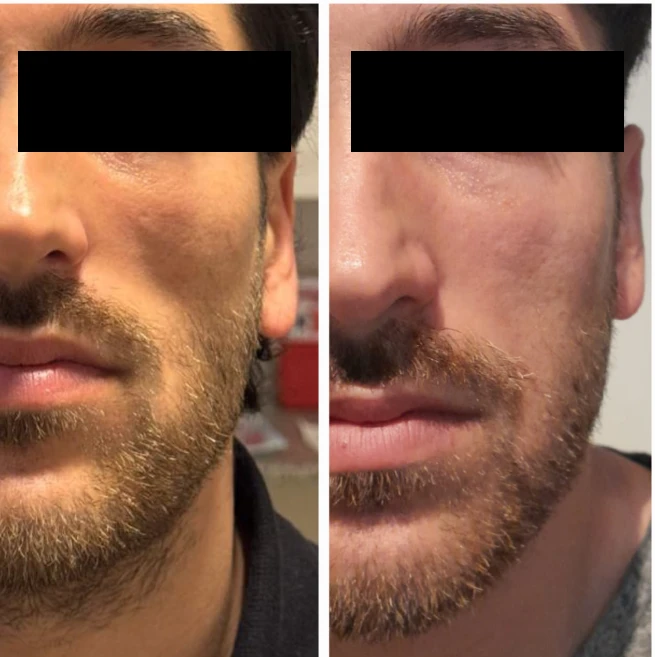
A 39-year-old male patient with hypotrophy of the midface.
The patient received 2 regenerative treatments for muscle and skin, combined with the application of extracellular matrix. The extracellular matrix is the natural support structure of the tissues: it gives the body a base on which to rebuild volume and firmness. Comparing the before and after photos, we found:
- Fuller cheek: the hollow below the cheekbone looks filled in, and the contour of the face is smoother and more balanced.
- Less hollowness under the eye: the under-eye area looks more even and less shadowed.
- Better skin quality: the skin of the cheek looks firmer and healthier.
These results show a natural recovery of facial volume, without synthetic fillers, through the regeneration of the patient’s own tissues.
Results may vary from person to person. Each case is evaluated individually.
The skin’s progress is gradual and needs follow-up.
After the application, the medical team defines the care and check-ups according to the treated areas, the characteristics of the skin and each patient’s progress.
First days
Mild discomfort or temporary redness may appear at the application sites. The medical team provides the aftercare and guidelines needed for each case.
Gradual progress
Changes in the tissue are assessed over the weeks and months following treatment. Follow-up makes it possible to observe the progress of aspects such as the firmness, elasticity, texture and overall appearance of the skin.
Measurable results
Progress can be documented through clinical evaluation and comparative follow-up of the treated areas, using the initial condition of the skin as a reference.
Frequently asked questions
With aging, collagen, elastin and various components of the extracellular matrix may decrease. Changes related to oxidative stress and photodamage can also occur. Together, these processes can affect the firmness, elasticity, thickness, hydration and texture of the skin.
The base treatment is autologous: the stem cells are obtained from the patient’s own adipose tissue and the immune system cells from their blood. In certain cases, depending on the medical indication, immune system cells from a selected donor may be used.
The cells are processed in the laboratory and combined with immune system cells activated to recognize structures of the dermis, following the protocols of the Moviglia Method.
Localized applications can be performed on areas such as the face, neck, décolletage and hands. The specific areas are determined during the medical evaluation.
The preparation can be administered through localized microinjections in the dermis.
Progress is assessed gradually over the weeks and months following the application. There is no single timeframe, since the response depends on the characteristics of the skin and of each patient.
The number of applications is defined at the start of treatment, according to the degree of skin involvement, as part of a plan with specific goals. At the end of the plan, progress is assessed and, if needed, further interventions are defined.
Not necessarily. Cell therapy responds to specific goals and indication criteria. Its possible combination with other aesthetic procedures should be defined individually, according to the characteristics of the skin and each patient’s goals.
The first step is understanding what your skin needs.
Every treatment begins with a medical evaluation to understand the condition of the tissue, identify the areas to be treated and determine which approach may be right for you.