


Genital rejuvenation: cell therapy for vulvovaginal atrophy.
Dryness, loss of elasticity, discomfort during sex or changes in the genital area may be related to vulvovaginal atrophy and other structural changes in the genitourinary tissue. At LYRACELL we assess their origin and degree of involvement to determine whether cell therapy can be part of a personalized treatment.
Personalized cell therapyLocalized applicationMinimally invasiveIn-house laboratory

Understanding the vulvovaginal tissue
The vulvovaginal tissue provides anatomical support, immune protection and elasticity. It is also involved in microbiological balance, lubrication and sexual function.
Over time, menopause, hormonal changes or a history of childbirth can cause gradual changes in its blood supply, collagen content and epithelial thickness.
In vulvovaginal atrophy —also called genitourinary syndrome of menopause—, lower estrogen levels can cause the tissues of the vagina and vulva to become thinner, drier and more fragile.
Reduced collagen and mucosal atrophy
Lower estrogen levels and mechanical stress can reduce elastin synthesis and affect connective tissue. As a result, the vaginal wall may become thinner and more fragile.
Reduced blood supply and sensitivity
Changes in microcirculation can reduce the oxygen supply to the tissue and may come with changes in natural lubrication and sensory response.
Loss of elasticity and changes in the vaginal environment
Weakening of the extracellular matrix may be associated with laxity, persistent discomfort and changes in the vaginal environment that make irritation or recurrent infections more likely.
How can it present?
Dryness
Reduced natural lubrication can cause a feeling of dryness or persistent discomfort.
Itching or irritation
The increased fragility of the mucosa can make the area more sensitive.
Pain during sex
Reduced lubrication and elasticity can cause discomfort or pain during sexual activity.
Loss of volume or firmness
Changes in the tissue can gradually alter the volume and tone of the vulvar area.
Recurrent urinary tract infections
Genitourinary syndrome of menopause may come with urinary symptoms and recurrent infections.
Your own cells, directed toward the vulvovaginal tissue.
The body has biological mechanisms to remodel the extracellular matrix and synthesize collagen. However, in the face of aging, menopause or deep tissue damage, that capacity may be insufficient.
In these cases, the contribution of cells aims to support biological processes related to the remodeling of collagen and elastin, blood supply and the recovery of the genital mucosa.
The personalized treatment combines two key components:
- Mesenchymal stem cells: part of a preparation intended to support biological processes associated with the remodeling of collagen and elastin and with blood supply to the genital area.
- Immune system cells: help direct the cell preparation and support its interaction with the inflammatory environment and the affected tissues.
Under the protocols of the Moviglia Method, the LYRACELL team obtains stem cells from the patient’s own adipose tissue and immune system cells from her blood. The cells are processed in the laboratory and combined as part of a preparation directed toward the tissues of the vulvovaginal area.
The preparation is applied locally to the external genital area and the vaginal walls, with the aim of supporting biological processes related to tissue repair and remodeling and supporting the recovery of its structure and function.
The combination of both cell types aims to support the body’s natural repair process, through a personalized approach and under strict safety protocols.
From the laboratory to the vulvovaginal tissue
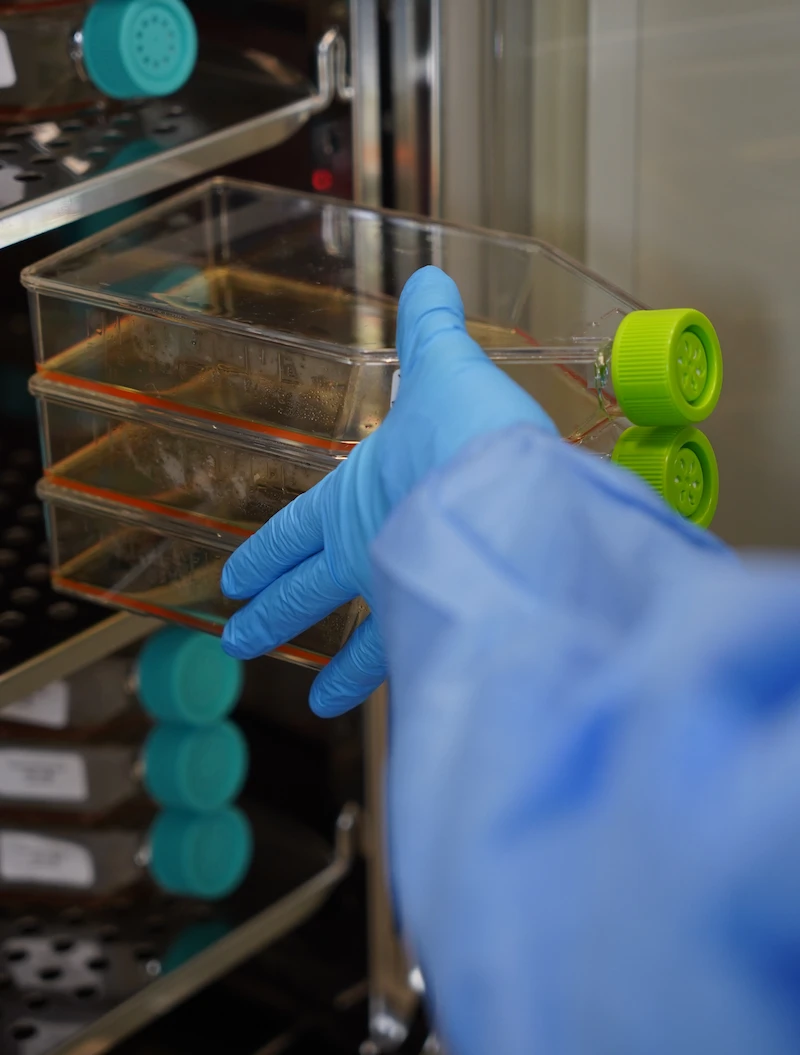
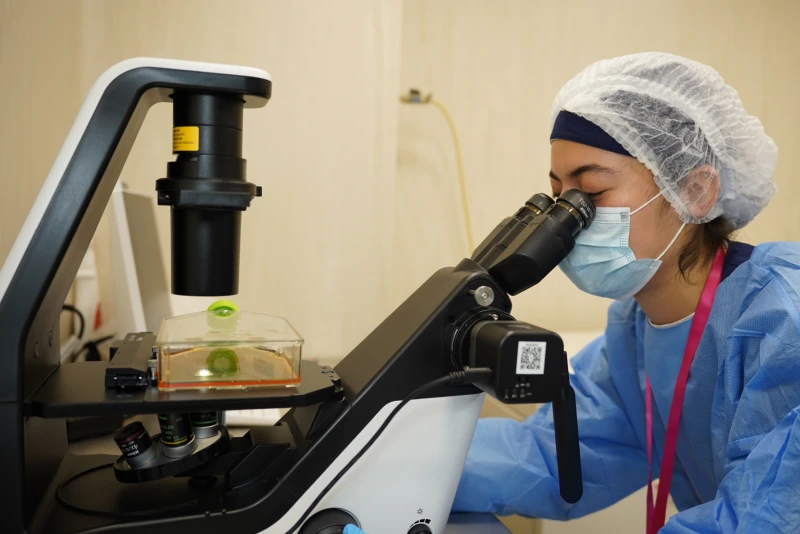
The stem cells are obtained from the patient and, together with the immune system cells, are processed in the laboratory following the protocols of the Moviglia Method. Based on the medical evaluation and the degree of involvement identified, the LYRACELL team prepares a specific cell combination before its localized application.



Four stages, a process defined by the needs of the tissue.
From identifying the structural changes to monitoring their progress, each stage is defined individually.

1
Evaluation
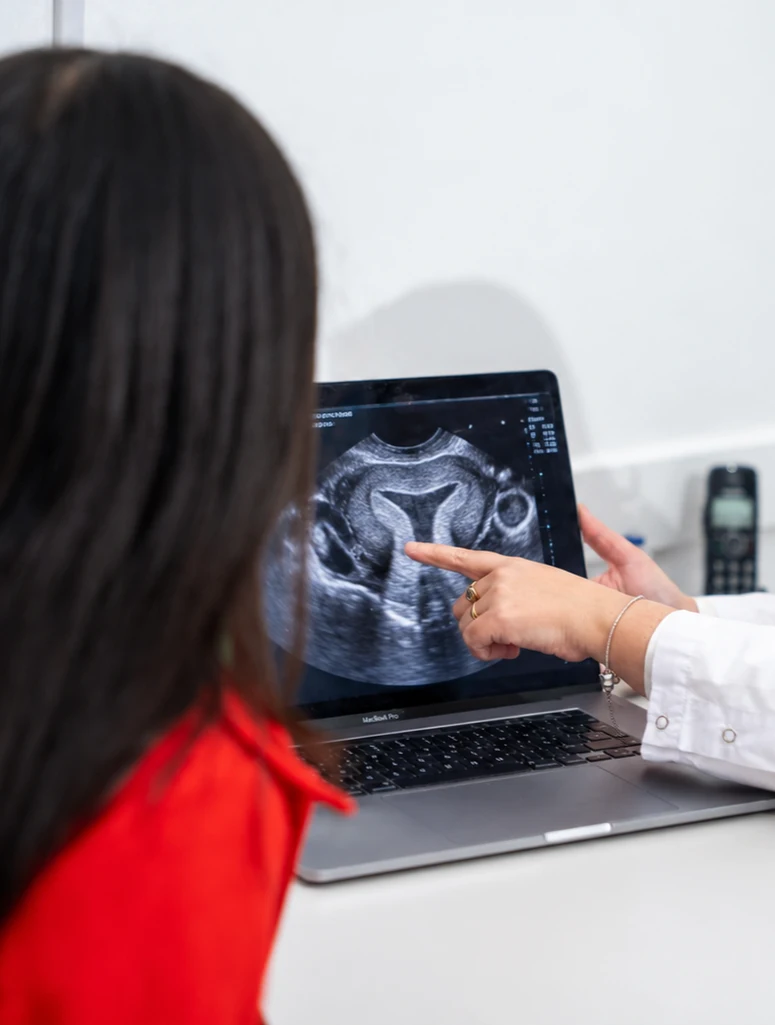
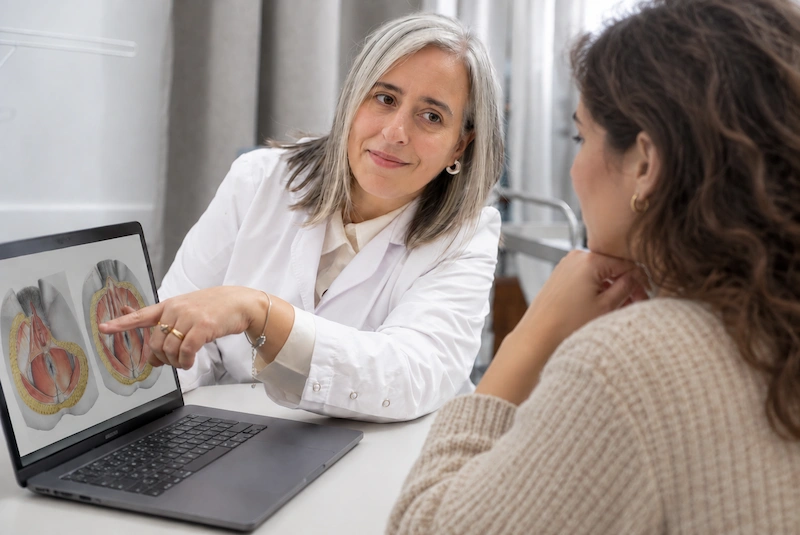
The first step is a medical evaluation, in coordination with your treating specialist, complemented with laboratory studies. The goal is to identify the origin of the symptoms, understand the condition of the tissue and determine the degree of involvement before defining the treatment strategy.
2
Treatment proposal
The medical team determines whether cell therapy may be appropriate. If the patient is eligible, adipose tissue and peripheral blood are collected, and a cell combination adapted to the vulvovaginal tissue is prepared in the laboratory.
3
Application
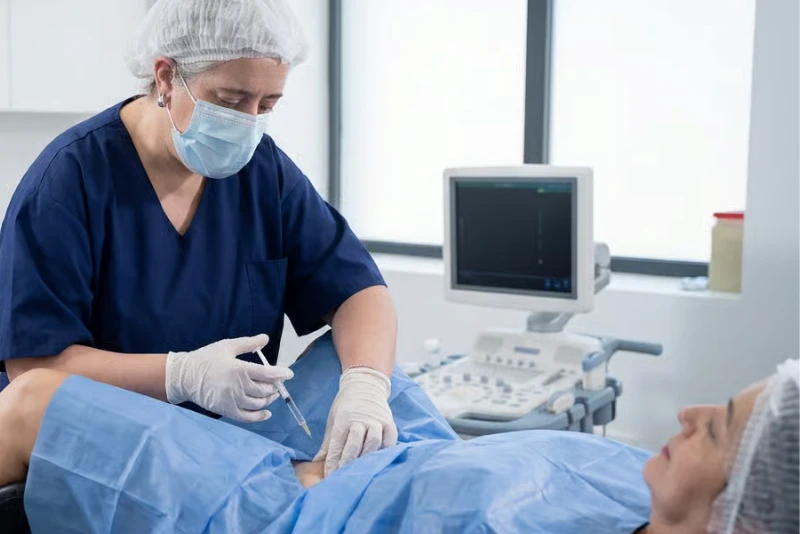
The cell preparation is administered through localized microinjections in the vulvovaginal mucosa and supporting tissues, under local anesthesia. The number and frequency of applications are determined individually according to the degree of atrophy and the clinical progress observed.
4
Follow-up
Follow-up makes it possible to gradually assess aspects such as lubrication, the characteristics of the tissue and any associated discomfort. Local care and pelvic floor retraining can complement the treatment according to each patient’s needs.
An accurate evaluation makes it possible to treat the specific problem, not just the symptom.
Could this treatment be an option for you?
The indication is defined individually based on the symptoms, the medical evaluation and the structural condition of the vulvovaginal tissue.
It may be an option if…
You have vulvovaginal atrophy or genitourinary syndrome of menopause.
Dryness or loss of elasticity causes persistent discomfort.
You have tissue laxity after childbirth.
You experience discomfort during sex of non-infectious origin.
You have noticed changes in the volume, firmness or characteristics of the genital tissue.
The symptoms are starting to affect your everyday well-being or your sex life.
You want to preserve the quality and function of the tissue and act on early signs of atrophy or deterioration.
Another approach may be needed if…
There is an acute vulvovaginal or pelvic infection, whether bacterial, fungal or viral, that requires treatment first.
Active or unresolved malignant or premalignant gynecological lesions are identified in the cervix, endometrium, vagina or vulva that require priority oncological care.
The indication is defined individually based on the medical evaluation and the corresponding studies.
Treating the tissue is part of the process. Restoring its function is too.
After the application, the medical team defines a care and follow-up plan adapted to the degree of involvement and each patient’s progress.
First days
The medical team provides local aftercare instructions following the microinjections and any temporary guidelines that apply to each case.
Local care and pelvic floor
Care of the area and pelvic floor retraining can complement cell treatment. The approach is adapted to the characteristics of the tissue and the functional needs identified during the evaluation.
Measurable results
Follow-up makes it possible to assess changes in symptoms and in aspects such as lubrication, elasticity and the characteristics of the tissue. The response is analyzed gradually, using each patient’s initial condition as a reference.
Frequently asked questions
It is a set of changes that can occur when estrogen levels decrease. The tissues of the vagina and vulva may become thinner, drier and more fragile. It is also known as genitourinary syndrome of menopause.
It may be associated with dryness, itching, changes in the volume or firmness of the tissues, pain during sex, urinary symptoms and recurrent urinary tract infections.
No. Different factors can change the vulvovaginal tissue, including the passage of time, childbirth, hormonal changes and menopause.
The base treatment is autologous: the stem cells are obtained from the patient’s own adipose tissue and the immune system cells from her blood. In certain cases, depending on the medical indication, immune system cells from a selected donor may be used.
The preparation is administered through localized microinjections in the vulvovaginal mucosa and supporting tissues, under local anesthesia.
The number of applications is defined at the start of treatment, according to the degree of atrophy, as part of a plan with specific goals. At the end of the plan, progress is assessed and, if needed, further interventions are defined.
Progress is gradual and requires follow-up. That is why there is no single timeframe: changes in symptoms and in the characteristics of the tissue are assessed over time.
It may be part of the process. Pelvic floor retraining can complement cell treatment according to the functional needs identified during the evaluation.
The first step is understanding what is changing in your tissues.
Every treatment begins with a medical evaluation, in coordination with your treating specialist, to understand the origin of the symptoms, assess the condition of the vulvovaginal tissue and determine which approach may be right for you.