


Peripheral arteries: cell therapy for peripheral artery disease.
Pain when walking, persistently cold feet, skin changes or difficulty healing may be related to a narrowing or blockage of the arteries in the lower limbs. At LYRACELL we assess the degree of vascular involvement and its impact on the tissues to determine whether cell therapy can be part of a personalized treatment.
Personalized cell therapyUltrasound-guidedMinimally invasiveIn-house laboratory
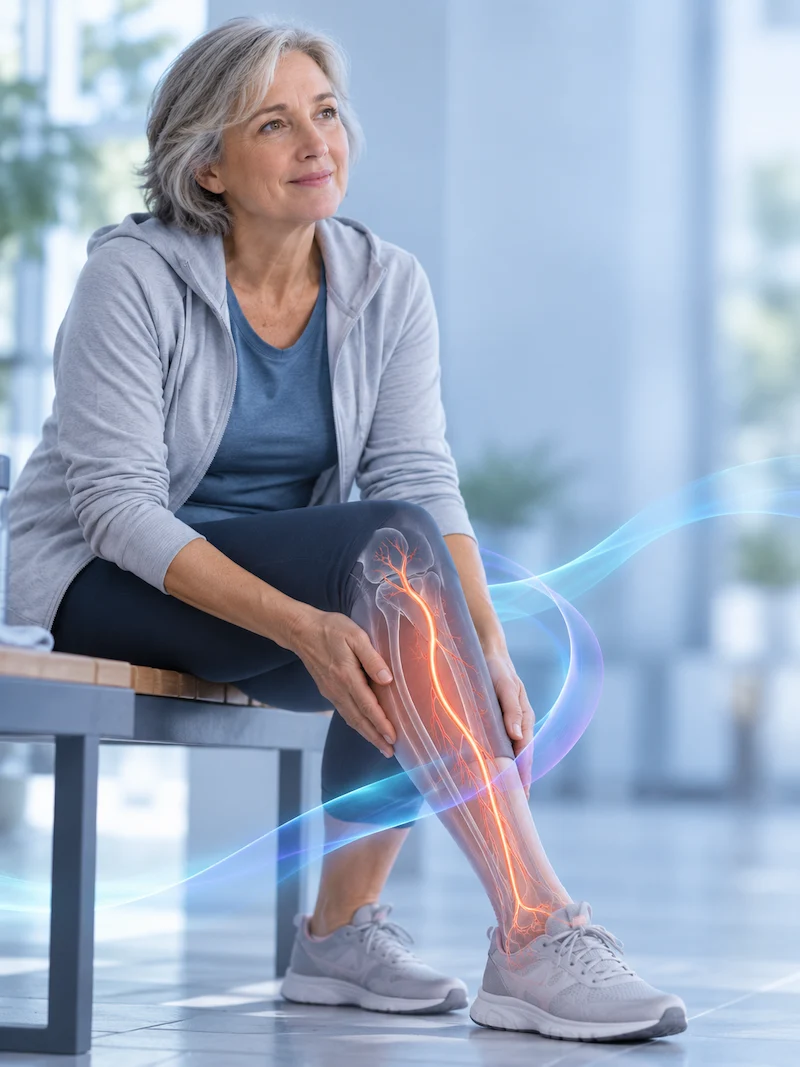
Understanding the peripheral arteries
The peripheral arterial system carries oxygen- and nutrient-rich blood from the heart to the muscles and tissues of the limbs.
In peripheral artery disease, the arteries can gradually narrow and harden. As a result, blood flow to the legs decreases and the tissues begin to receive less oxygen than they need, a condition known as ischemia.
Atherosclerosis and plaque buildup
Deposits of fat, cholesterol and calcium in the artery walls —atheromatous plaques— can gradually reduce the diameter of the vessels and make it harder for blood to flow through.
Ischemia and intermittent claudication
When walking or exercising, the muscles need more oxygen. When narrowed arteries cannot increase blood flow enough, pain, heaviness or muscle fatigue may appear and ease with rest.
Reduced perfusion and tissue deterioration
When circulation remains impaired, the skin and other tissues receive less oxygen and nutrients. This can lead to thinning skin, hair loss, color changes and difficulty healing small wounds or ulcers.
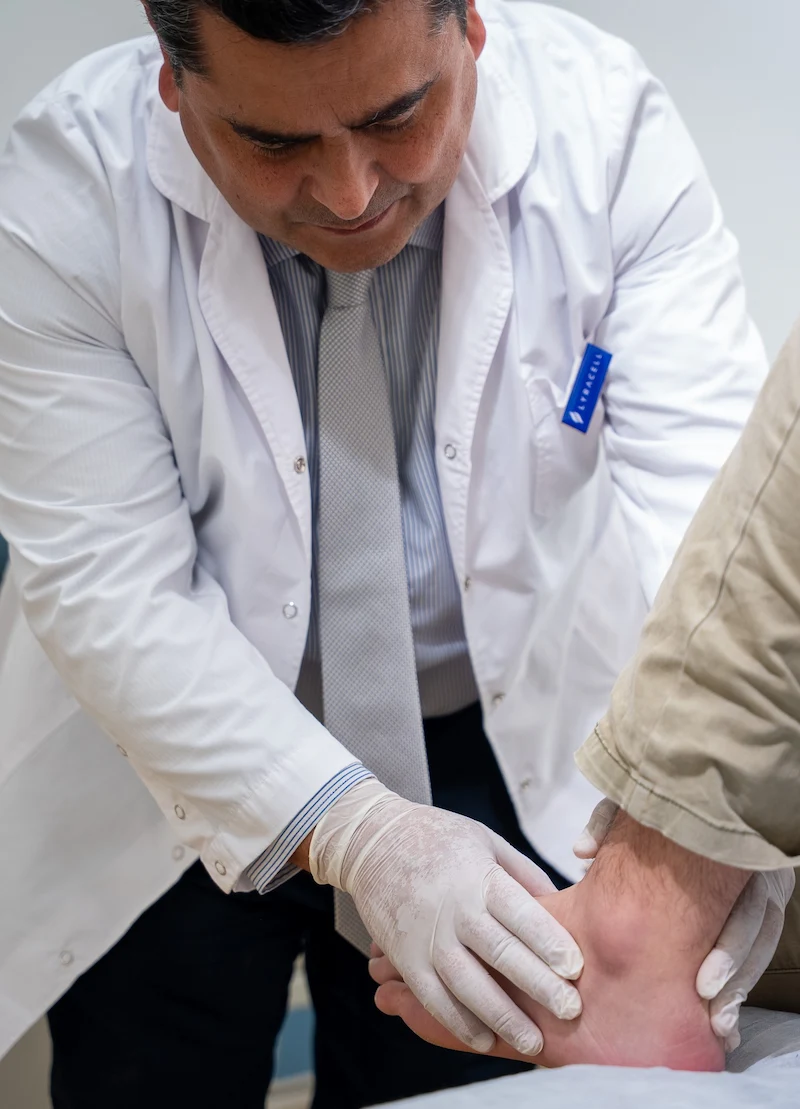
How can it present?
Pain when walking
It may appear after walking a certain distance and ease when stopping to rest.
Heaviness or fatigue in the legs
Exertion may cause a feeling of muscle tiredness that gradually limits activity.
Cold feet
Reduced blood flow can cause a persistent feeling of cold in the feet or limbs.
Skin changes
The skin may become thinner, change color or show hair loss.
Wounds that are slow to heal
A reduced blood supply can make it harder for small injuries or ulcers to heal.
Changes in sensation
In some cases, changes in sensation may appear in the feet or toes.
Your own cells, directed toward the vascular tissue.
The body has natural mechanisms to repair and revascularize affected tissues. However, in the presence of advanced atherosclerosis, smoking, uncontrolled diabetes or biological aging, that capacity may be insufficient.
In these cases, the contribution of cells aims to support biological processes related to vascular remodeling, the formation of new blood vessels and the modulation of the inflammatory environment.
The personalized treatment combines two key components:
- Mesenchymal stem cells: part of a preparation intended to support biological processes linked to the remodeling of vascular tissue and the formation of new blood vessels.
- Immune system cells: help direct the preparation toward vascular cells and support its interaction with the affected tissues.
Under the protocols of the Moviglia Method, the LYRACELL team obtains stem cells from the patient’s own adipose tissue and immune system cells from their blood. The cells are processed in the laboratory and combined as part of a preparation directed toward the vascular structures of the limbs.
The preparation is administered by intra-arterial injection into the femoral arteries, with the aim of supporting biological processes associated with tissue vascularization and accompanying the evolution of circulation and lower-limb function.
The combination of both cell types aims to support the body’s natural repair process, through a personalized approach and under strict safety protocols.
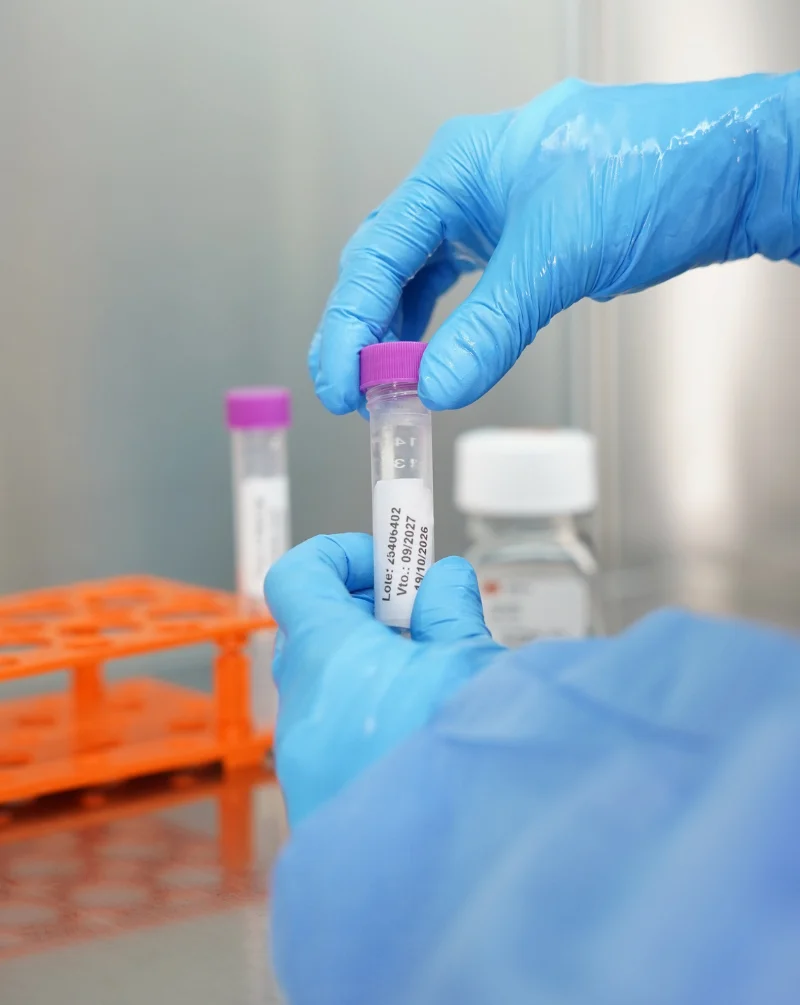
From the laboratory to the arteries
The stem cells are obtained from the patient and, together with the immune system cells, are processed in the laboratory following the protocols of the Moviglia Method. Based on the medical evaluation, in coordination with your treating specialist, and on the degree of circulatory impairment, the LYRACELL team prepares a specific cell combination before its intra-arterial administration.

Four stages, a process defined by the state of your circulation.
From identifying where blood flow is impaired to assessing how the tissues respond, each stage is defined according to the characteristics of each case.
1
Evaluation
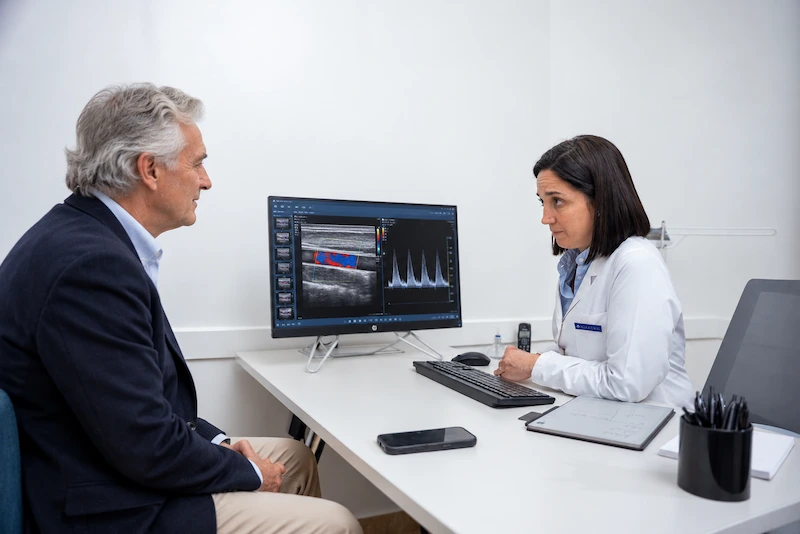
The medical history, cardiovascular risk factors and how long the symptoms have been present are reviewed. This is complemented with vascular diagnostic studies, such as Doppler ultrasound or arteriography, to determine the degree of blockage and the hemodynamic impairment of the limbs.
2
Treatment proposal
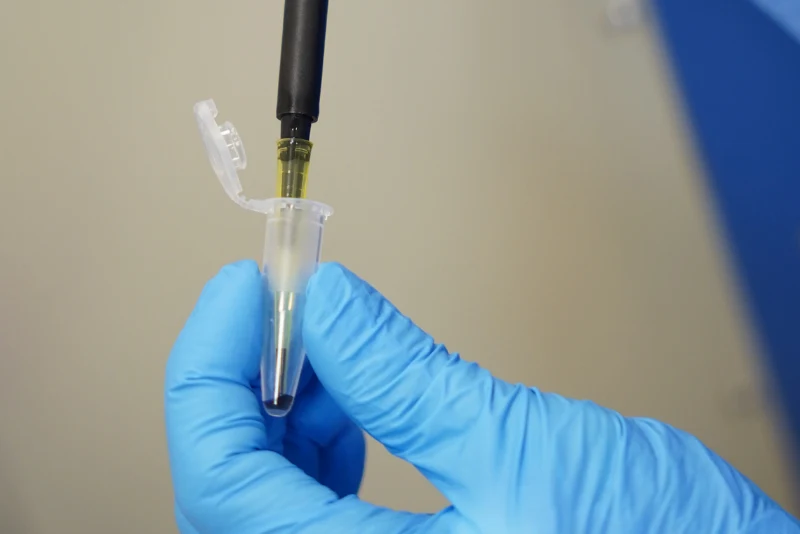
The medical team determines whether cell therapy may be appropriate. If the patient is eligible, adipose tissue and peripheral blood are collected, and a cell combination adapted to the identified vascular requirement is prepared in the laboratory.
3
Application
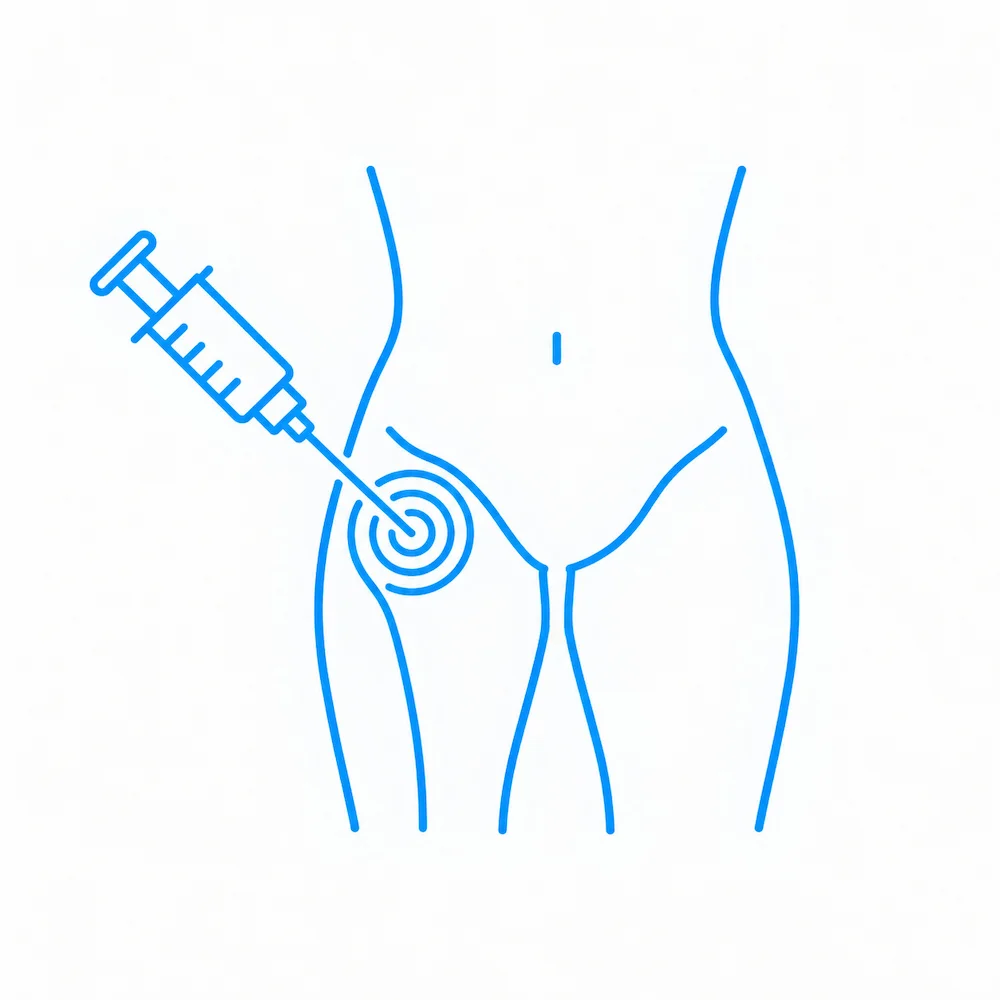
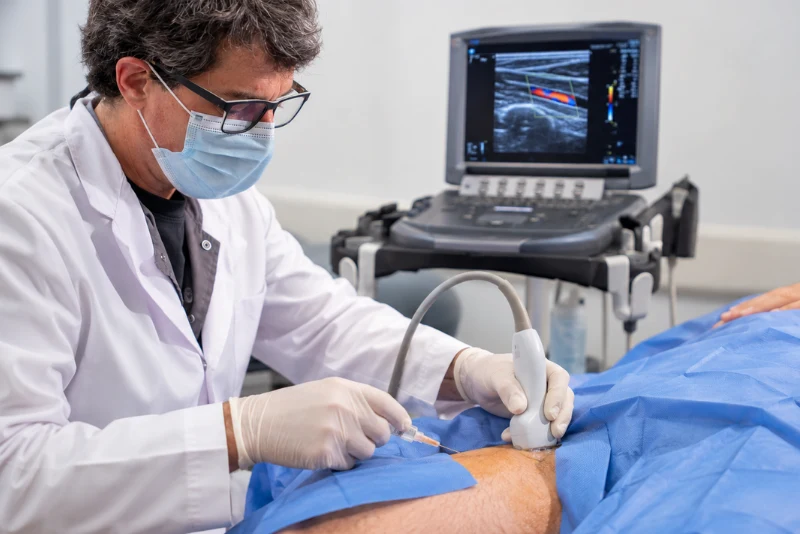
The cell preparation is administered by intra-arterial injection into both femoral arteries, under local anesthesia and ultrasound guidance. The number and frequency of applications are determined individually according to the degree of vascular involvement and the clinical progress observed.
4
Follow-up
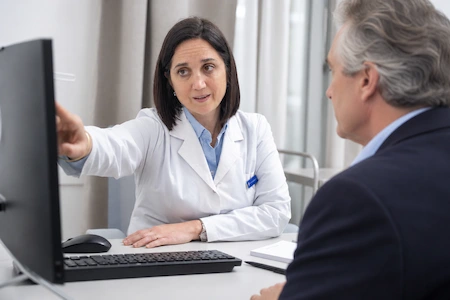
Follow-up assesses circulation, pain and the condition of the tissues. The treatment aims to support the development of collateral circulation and modulate inflammation, and may be complemented with supervised walking and control of risk factors, as medically indicated.
An accurate evaluation makes it possible to treat the specific problem, not just the symptom.
Could this treatment be an option for you?
The indication requires demonstrating impaired circulation in the lower limbs through a medical evaluation and the corresponding vascular diagnostic studies.
It may be an option if…
You have intermittent claudication associated with peripheral artery disease.
There is chronic lower-limb ischemia confirmed by vascular studies.
Pain when walking is starting to limit the distance you can cover or your daily activities.
You have skin changes or healing difficulties related to reduced perfusion.
Studies show narrowing or blockage of the peripheral arteries.
You want to address the vascular impairment and support the recovery of function.
You want to preserve circulation and act on an identified vascular impairment before tissue damage progresses.
Another approach may be needed if…
There is critical ischemia with extensive gangrene or irreversible necrosis, with significant tissue loss requiring surgery or emergency revascularization.
The arterial disease is associated with a severe, active and uncontrolled autoimmune vasculitis that first requires a specific approach.
There is an acute infection in the limb that requires priority medical treatment.
The indication is defined individually based on the medical evaluation and the corresponding vascular studies.
Supporting circulation is part of the process. Putting it back to use is too.
After the application, the medical team defines a follow-up plan adapted to the degree of vascular involvement, the affected tissues and each patient’s progress.
First days
The medical team carries out follow-up after the application and indicates the necessary care and any temporary changes in activity for each case.
Walking and risk factor control
Supervised physical exercise, especially structured walking, can complement the treatment to support the adaptation of circulation and gradually restore functional capacity. Controlling cardiovascular risk factors such as smoking and uncontrolled diabetes is also part of the approach because of their impact on vascular health.
Measurable results
Check-ups make it possible to assess changes in pain, walking capacity and the condition of the skin and other tissues of the limbs. Vascular studies can be included in follow-up to compare circulation and hemodynamic impairment with the starting point.
Frequently asked questions
It is a condition in which the arteries that carry blood to the limbs narrow or harden, reducing the flow of oxygen and nutrients to the tissues.
During exercise, the muscles need more oxygen. If the arteries are narrowed, blood flow may be insufficient to meet that demand, and pain, heaviness or fatigue may appear. This is known as intermittent claudication.
The evaluation may include vascular diagnostic studies such as Doppler ultrasound and arteriography to determine the degree of blockage and the hemodynamic impairment.
The base treatment is autologous: the stem cells are obtained from the patient’s own adipose tissue and the immune system cells from their blood. In certain cases, depending on the medical indication, immune system cells from a selected donor may be used.
The preparation is administered by intra-arterial injection into both femoral arteries, under local anesthesia and ultrasound guidance.
The treatment aims to support biological processes associated with vascular remodeling and the formation of collateral circulation, with the goal of supporting tissue perfusion and functional recovery.
The number of applications is defined at the start of treatment, according to the degree of vascular involvement, as part of a plan with specific goals. At the end of the plan, progress is assessed and, if needed, further interventions are defined.
It may be part of the plan. Supervised physical exercise and structured walking can complement cell therapy, together with control of cardiovascular risk factors.
Not when there is extensive gangrene or irreversible necrosis requiring urgent intervention. In those cases, the priority is the appropriate surgical approach or emergency revascularization.
The first step is understanding how blood is reaching your limbs.
Every treatment begins with a medical evaluation to understand the state of your circulation, identify the degree of vascular involvement and determine which approach may be right for you.