


Peripheral nerves: cell therapy for metabolic, vascular, toxic or traumatic neuropathies.
Peripheral nerves connect the brain and spinal cord with the muscles, skin and other structures of the body. When one is damaged, nerve signals may stop being transmitted properly and weakness, loss of sensation, neuropathic pain or a combination of these symptoms may appear. The damage can occur suddenly as a result of trauma, a cut or a severed nerve, or develop gradually due to metabolic, toxic or vascular disorders. At LYRACELL we assess the affected nerve and the degree of involvement through a neurological exam and neurophysiological studies to determine whether cell therapy can be part of a personalized treatment.
Personalized cell therapyComprehensive medical evaluationCombined administration routesIn-house laboratory

Understanding the peripheral nerves
A peripheral nerve is made up of thousands of axons grouped into fascicles, surrounded by different layers of tissue that provide support and protection.
The signals that make it possible to control movement and receive sensory information from different regions of the body travel through these axons.
To maintain this function, the nerve also depends on an adequate blood supply that provides oxygen and nutrients. When the axons, their supporting structures or their blood supply deteriorate, signal conduction can be compromised.
Traumatic damage
A cut, crush or partial or complete severing can interrupt the continuity of the axons and, depending on the severity, also affect the sheaths that organize and protect the nerve.
The result can be a sudden loss of nerve conduction below the injury, with motor weakness, changes in sensation or both.
Metabolic or toxic damage
Certain metabolic disorders can gradually affect the function of the axons and the microcirculation that nourishes them.
One example is diabetic neuropathy, which usually causes a slow, symmetrical deterioration of the nerve fibers, mainly in the lower limbs.
Exposure to certain substances can also cause neuropathies of toxic origin, whose treatment requires identifying and controlling the cause.
Vascular damage
When blood flow to the nerve decreases, the supply of oxygen and nutrients is also reduced.
If the ischemia persists, it can first impair the nerve’s function and later lead to axonal degeneration.
More than one component may be affected
In many cases, the damage is not limited to the axon. Degeneration of the nerve fibers can coexist with vascular and inflammatory changes in the microenvironment surrounding the nerve, making its natural repair more difficult.
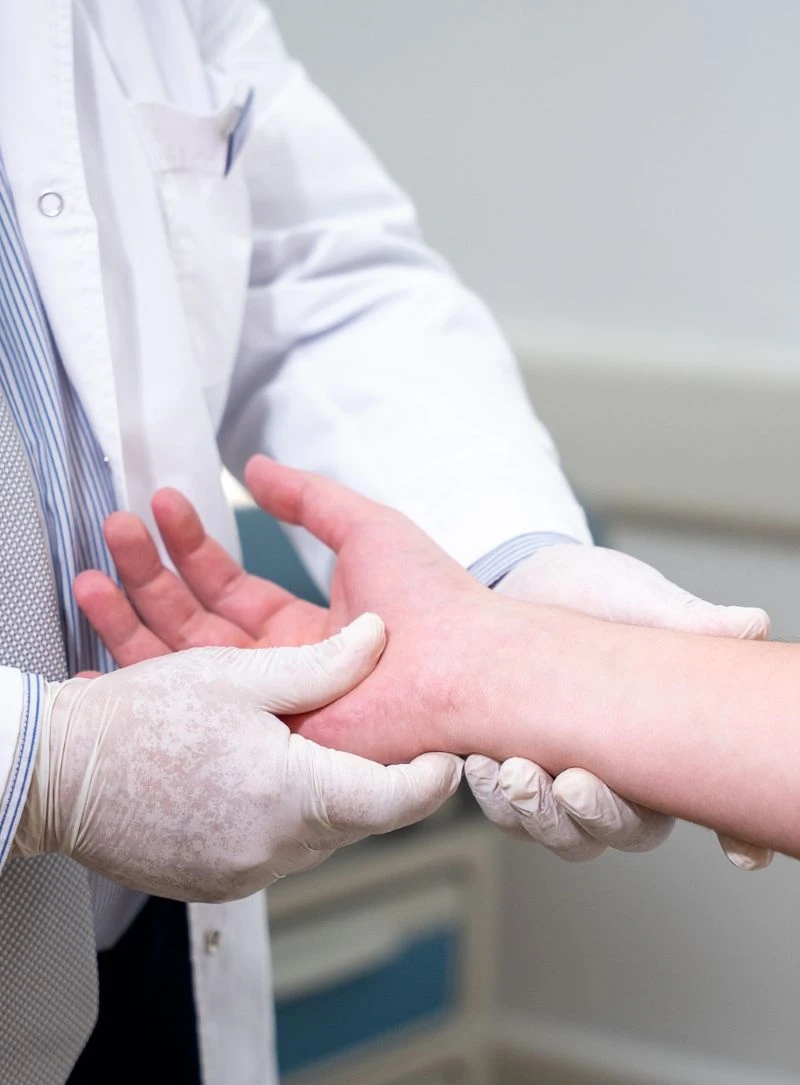
How can it present?
Loss of strength
When motor fibers are affected, certain muscles may receive less nerve signal and start to lose strength.
Changes in sensation
Reduced sensation, numbness or sensory loss may appear in the area served by the affected nerve.
Neuropathic pain
Nerve damage can also cause burning, stabbing or other painful sensations related to impaired nerve transmission.
Progressive deficits
In metabolic, toxic or vascular neuropathies, symptoms may develop gradually and affect several nerves.
A therapy directed at the nerve and the vascular environment that supports its function.
The peripheral nervous system has some capacity for axonal regeneration. However, in the case of extensive traumatic injuries, long-standing metabolic or toxic neuropathies or sustained ischemia, these mechanisms may not be enough for the degree of existing damage.
In these cases, cell therapy aims to support biological processes associated with the repair of nerve tissue, the modulation of its environment and the support of local blood supply.
The treatment used at LYRACELL combines two components:
- Stem cells obtained from adipose tissue: processed and pre-differentiated in the laboratory into progenitors linked to neural tissue and the vascular component.
- Immune system cells obtained from the blood: take part in preparing the therapy and directing it toward the tissues being treated.
Under the protocols of the Moviglia Method, the LYRACELL team prepares a specific cell combination according to the affected nerve, the mechanism that caused the injury and its extent.
The combination of these components aims to support the body’s natural repair processes through a personalized approach and under medical and safety criteria.
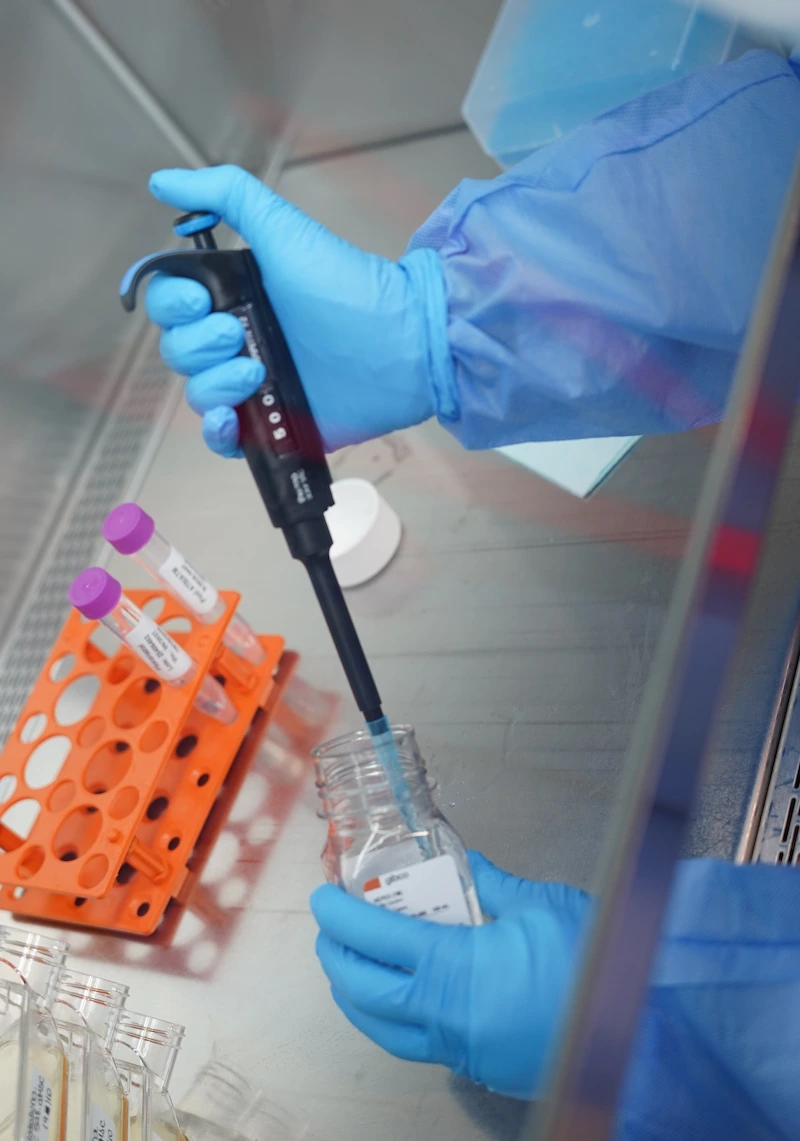
From the laboratory to the peripheral nerve
The stem cells are obtained from the patient and, together with the immune system cells, are processed in the laboratory following the protocols of the Moviglia Method. Based on the diagnosis, a cell formula is prepared and adapted to the affected nerve, the mechanism that caused the damage and its extent. Depending on the characteristics of the case, the protocol may combine different routes of administration: intravenous, intra-arterial and local perineural application, with the aim of addressing both the nerve tissue and its vascular environment.

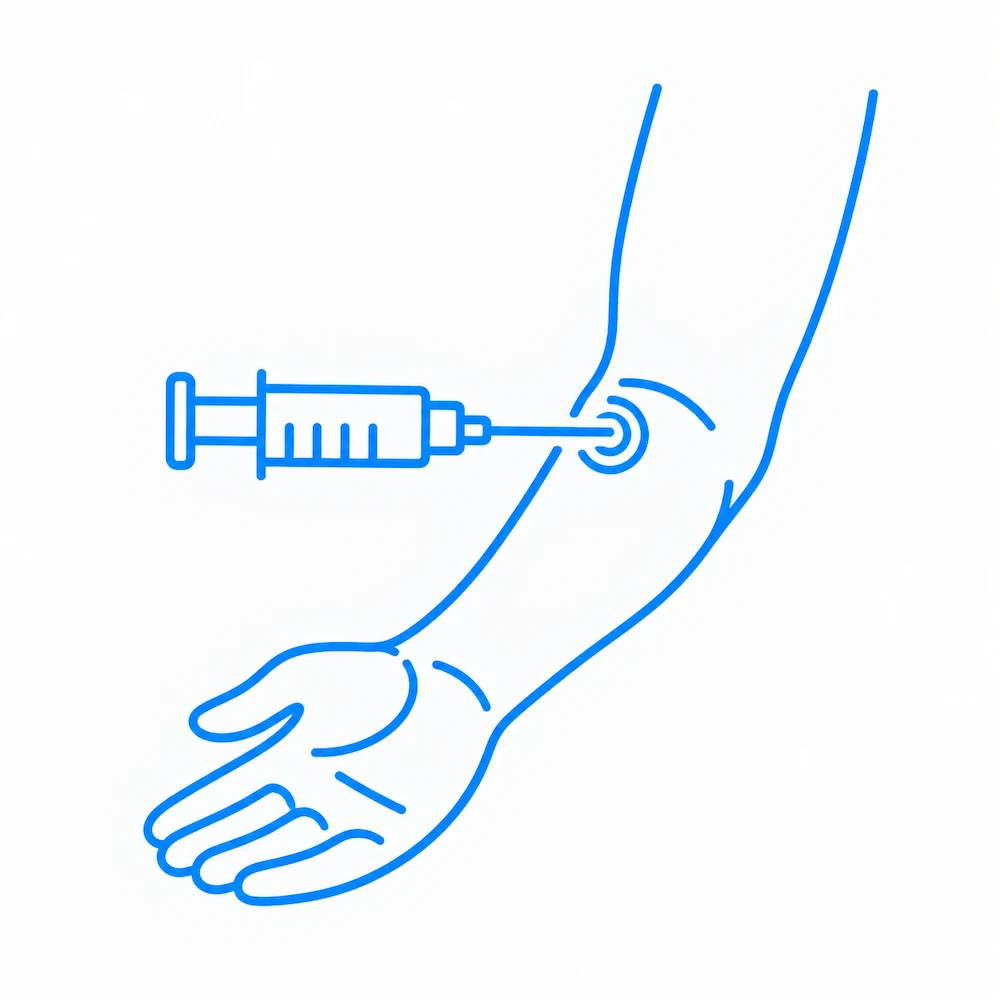
Four stages to address the nerve based on the origin and extent of the damage.
Not all nerve injuries behave the same way. That is why the treatment is defined based on the affected nerve, the mechanism of injury and the degree of conduction impairment.
1
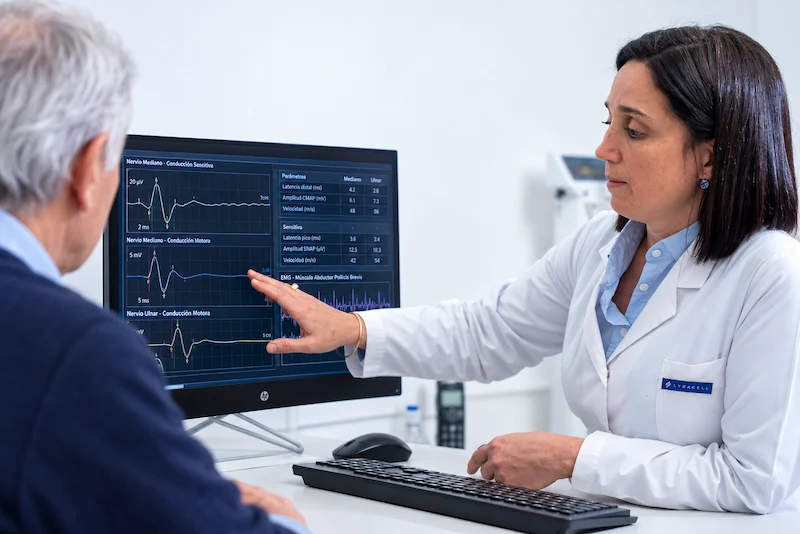
Evaluation
The medical history and clinical condition are analyzed, according to whether the damage is traumatic, metabolic, toxic or vascular in origin. The neurological exam is complemented with electromyography and nerve conduction velocity studies to locate and quantify the deficit and, if needed, with imaging studies.
2
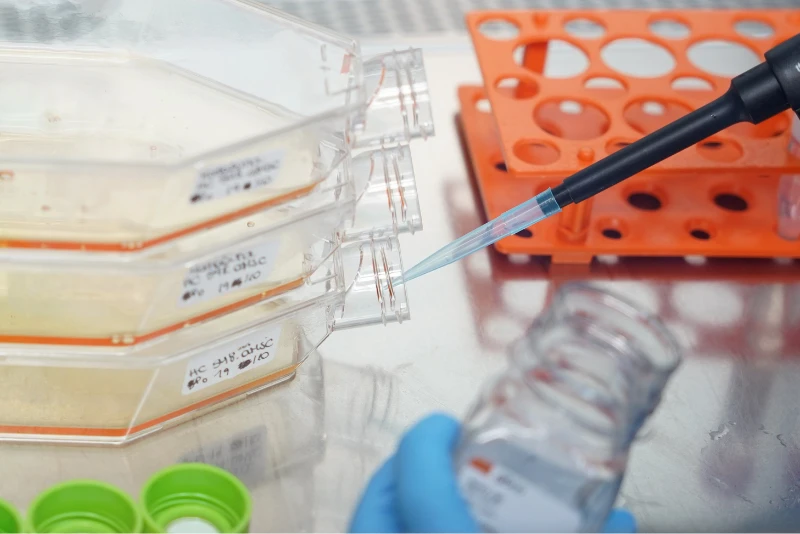
Treatment proposal
The affected nerves and the extent and mechanism of the damage are determined in order to define the cell volume, the preparation and the routes of administration. If the patient is eligible, adipose tissue and blood are collected, and a formula adapted to the affected nerve is processed.
3
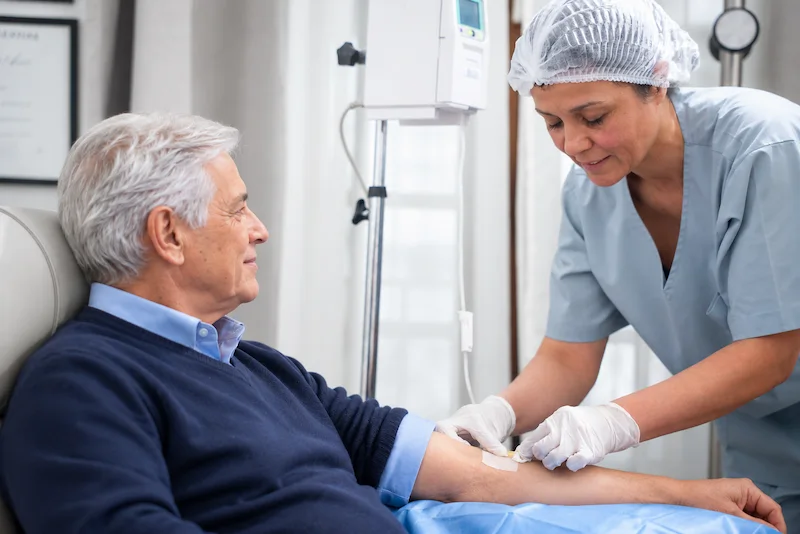
Application
The preparation may be administered intravenously and complemented with intra-arterial or perineural applications. If the nerve requires release or repair surgery, the therapy may be added during or after it. The number and frequency depend on the severity, the mechanism and the progress.
4
Follow-up
Nerve repair is slow. Follow-up assesses strength, sensation and neuropathic pain, with serial neurophysiological studies. Three to six applications over 6 to 12 months may be planned and, at the end, the studies may be repeated to compare with the starting point.
An accurate evaluation makes it possible to treat the specific problem, not just the symptom.
Could this treatment be an option for you?
This approach can be evaluated in people with a motor or sensory deficit associated with damage to one or more peripheral nerves, provided there is an objective impairment that can be demonstrated through neurophysiological studies.
It may be an option if…
You have had a traumatic injury to a peripheral nerve.
There is nerve damage after a cut, crush or severing that has already received the corresponding mechanical repair, when it was needed.
You have a metabolic neuropathy, such as diabetic neuropathy, and the underlying cause is being treated.
There is a neuropathy of toxic origin that is suitable for this approach.
The nerve shows involvement associated with a vascular or ischemic disorder.
You have loss of strength or sensation related to the area served by a nerve.
Neurophysiological studies objectively confirm an alteration in nerve conduction.
Another approach may be needed if…
There is a severed nerve with significant tissue loss that still needs surgical repair.
Studies show complete, very long-standing axonal degeneration with no signs of regenerative activity.
The metabolic, toxic or vascular cause of the damage is not yet under control.
The motor or sensory deficit originates in a primary disease of the central nervous system, such as a stroke.
There is a motor neuron disease that explains the symptoms.
Neurophysiological studies do not confirm peripheral nerve involvement and another origin needs to be investigated.
The indication is determined based on the neurological exam, the mechanism of injury and the objective findings of the neurophysiological studies.
Treating the nerve is part of the process. Recovering its function also takes time and follow-up.
The recovery of a peripheral nerve is not assessed only by how the patient feels. It is also necessary to observe how nerve signal conduction evolves and what motor or sensory function is recovered.
Gradual progress
Nerve repair can take time. Check-ups make it possible to monitor changes in strength, sensation and neuropathic pain during treatment.
Functional recovery
Clinical follow-up makes it possible to assess how changes in nerve function translate into movement, muscle control and sensation in the affected areas.
Depending on the type of injury and the patient’s needs, the medical team may add physical or neurological rehabilitation to the recovery plan.
Measurable results
Electromyography and nerve conduction velocity studies can be repeated during follow-up to obtain objective parameters and compare them with the initial values.
This way, progress is analyzed by combining clinical, functional and neurophysiological results.
Frequently asked questions
It is a structure made up of thousands of axons grouped into fascicles that transmits signals between the brain and spinal cord and the different regions of the body. These signals are involved, among other functions, in movement and sensation.
The damage can be traumatic, metabolic, toxic or vascular in origin. Identifying the mechanism is necessary to control the cause and define the right approach.
The neurological exam is complemented with studies such as electromyography and nerve conduction velocity, which make it possible to locate and quantify the involvement.
No. When there is an injury that requires mechanically restoring the continuity of the nerve or releasing a compression, surgery may be necessary. In certain cases, cell therapy may be added during or after the procedure.
The base treatment is autologous: the stem cells are obtained from the patient’s own adipose tissue and the immune system cells from their blood. In certain cases, depending on the medical indication, immune system cells from a selected donor may be used.
Depending on the characteristics of the case, the protocol may combine intravenous, intra-arterial and local perineural administration.
Usually, three to six applications over a period of 6 to 12 months may be planned. The number is defined at the start of treatment, according to the mechanism and severity of the damage, as part of a plan with specific goals. At the end of the plan, progress is assessed and, if needed, further interventions are defined.
Clinical and functional changes in strength, sensation and neuropathic pain are assessed, together with serial neurophysiological studies that make it possible to compare nerve conduction with the starting point.
No. These symptoms can also originate in the brain, the spinal cord or other structures of the nervous system. That is why their origin needs to be identified through a neurological evaluation and the corresponding studies.
The first step is identifying which nerve is affected and how much of its function remains.
The neurological evaluation and neurophysiological studies make it possible to locate the damage, determine its mechanism and measure the degree of involvement to establish whether cell therapy can be part of an appropriate strategy for your case.