


Digestive system: cell therapy for intestinal conditions.
Persistent discomfort after eating, recurring inflammation or increased digestive sensitivity may be related to changes in the lining of the stomach or intestine. At LYRACELL we assess the origin and extent of the problem to determine whether cell therapy can be part of a personalized treatment.
Personalized cell therapyIntravenous applicationMinimally invasiveIn-house laboratory

Understanding the digestive system
The digestive system is involved in processing food and absorbing nutrients, but it also acts as a barrier and provides immune protection.
In certain chronic inflammatory or degenerative conditions, the gastric and intestinal lining can gradually deteriorate, affecting both its structure and its ability to perform these functions.
Chronic inflammation and epithelial deterioration
Persistent exposure to factors that damage the lining can impair its natural ability to repair itself and lead to lesions appearing or persisting.
Tissue damage and impaired function
During digestion, the functional demands on the system increase. When the tissues are affected, symptoms such as pain, heartburn, heaviness or discomfort after eating may appear.
Loss of intestinal barrier integrity
Deterioration of the lining can affect its protective function and be associated with changes in permeability, atrophy and a reduced ability to repair erosions or ulcers.
These processes can occur at the same time. That is why it is necessary to identify both the degree of involvement and its cause before defining the approach.

How can it present?
Discomfort after eating
Discomfort may appear or worsen during or after meals.
Digestive pain or sensitivity
The stomach or intestine may become more sensitive due to the involvement of their tissues.
Heartburn
Changes in the gastric lining may come with burning or a feeling of acidity.
Heaviness
Digestion may cause a persistent feeling of bloating or heaviness.
Recurring symptoms
When there is a chronic process, symptoms may persist or return and start to affect eating and everyday activities.
Your own cells, directed toward the tissues of the digestive system.
The body has natural mechanisms to repair the lining and modulate inflammation. However, in the face of chronic inflammatory diseases, aging or certain previous surgeries, that capacity may be insufficient.
In these cases, the contribution of cells aims to support biological processes related to the repair and remodeling of digestive tissues, modulate inflammation and support the recovery of the lining.
The personalized treatment combines two key components:
- Mesenchymal stem cells: part of a preparation intended to support biological processes related to the remodeling of digestive tissue and the formation of new blood vessels.
- Immune system cells: help direct the cell preparation and support its interaction with the affected tissues and the inflammatory environment.
Under the protocols of the Moviglia Method, the LYRACELL team obtains stem cells from the patient’s own adipose tissue and immune system cells from their blood. The cells are processed in the laboratory and combined as part of a preparation directed toward the structures of the digestive tract.
The preparation is administered intravenously, with the aim of supporting processes linked to the repair of the lining, the modulation of inflammation and digestive function.
The combination of both cell types aims to support the body’s natural repair process, through a personalized approach and under strict safety protocols.
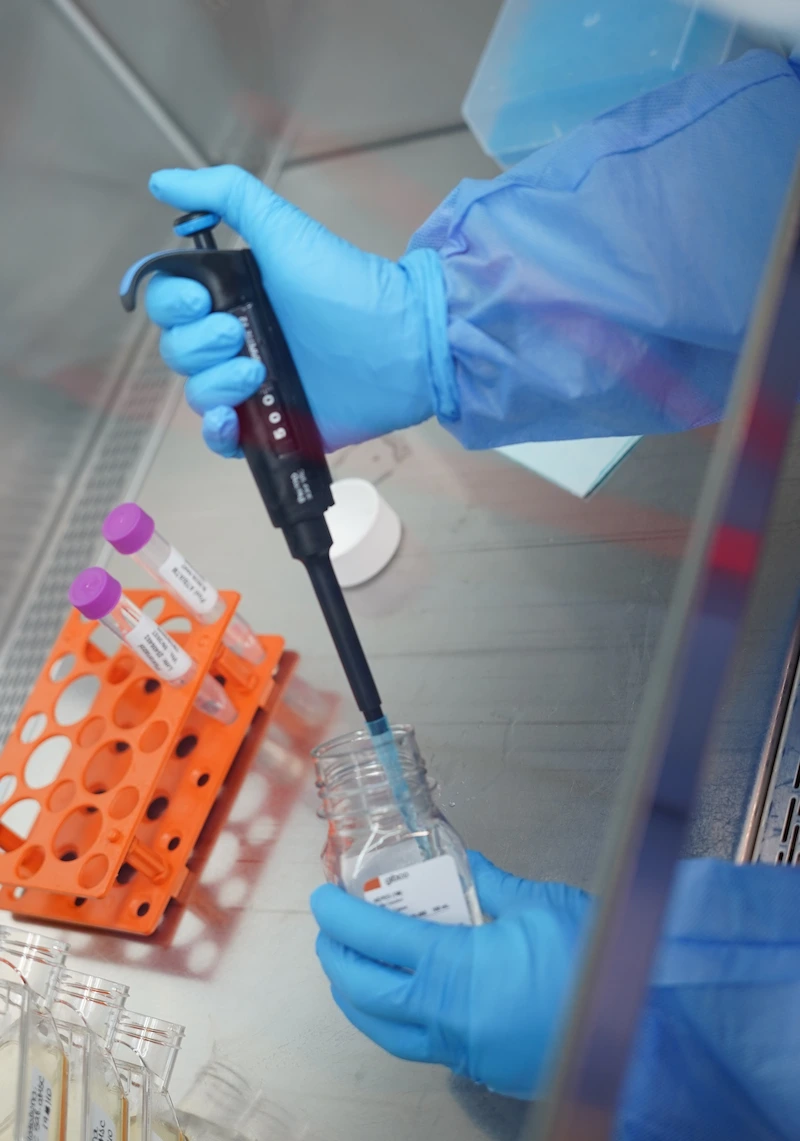
From the laboratory to the digestive system
The stem cells are obtained from the patient and, together with the immune system cells, are processed in the laboratory following the protocols of the Moviglia Method. Based on the diagnosis and the type of involvement identified, the LYRACELL team prepares a specific cell combination before its administration.




Four stages, an approach defined by the origin of the damage.
From identifying what is affecting the lining to monitoring its progress, each stage is defined according to the characteristics of each case.
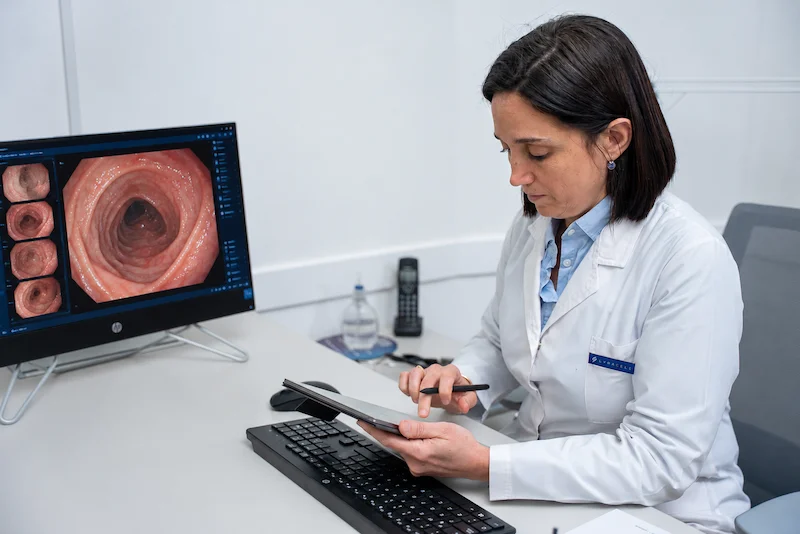
1
Evaluation
The medical history, digestive background, how long the symptoms have been present and any available additional studies are reviewed. This may include clinical, laboratory and endoscopic studies to determine the degree of tissue involvement, the extent of the damage and its possible origin.
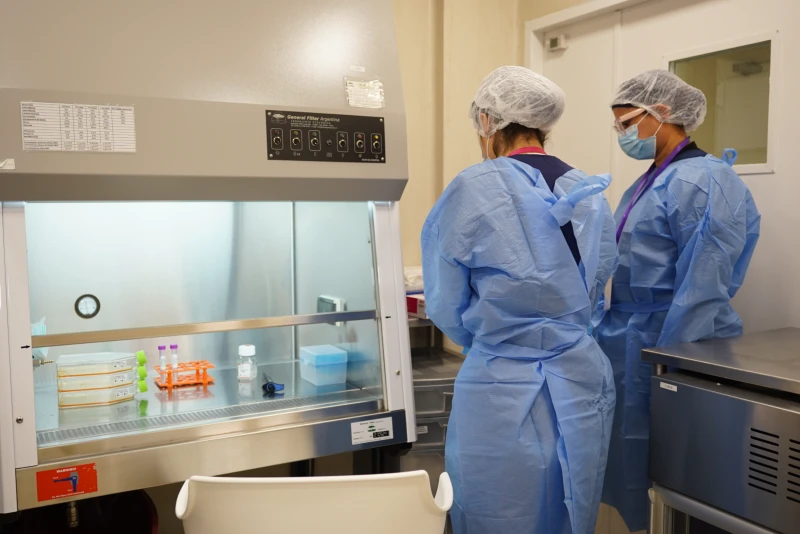
2
Treatment proposal
The medical team determines whether cell therapy may be appropriate. If the patient is eligible, adipose tissue and peripheral blood are collected, and a cell combination adapted to the identified tissue involvement is prepared in the laboratory.

3
Application
The cell preparation is administered intravenously. The number and frequency of applications are determined individually according to the degree of involvement and the clinical progress observed.

4
Follow-up
Follow-up assesses the course of the symptoms and the digestive involvement. It may be complemented with an adapted nutrition plan, microbiota management and control of risk factors, as medically indicated, to support tissue recovery.
An accurate evaluation makes it possible to treat the specific problem, not just the symptom.
Could this treatment be an option for you?
The indication is defined individually based on the diagnosis, the origin of the symptoms and the presence of involvement of the lining or digestive tissues that can be demonstrated through the corresponding studies.
It may be an option if…
You have chronic gastritis with persistent involvement of the lining.
There is a diagnosis of atrophic gastritis.
You have gastric ulcers that require assessing the condition and repair capacity of the tissue.
Changes in intestinal permeability have been identified.
You have a selected inflammatory disease for which the medical team considers that cell therapy may be part of the approach.
Digestive symptoms persist and there is measurable tissue involvement.
You want to preserve the integrity and function of the lining in the face of identified chronic digestive damage.
Another approach may be needed if…
There is an acute digestive complication that requires immediate care.
You have massive active bleeding or a digestive perforation that requires emergency medical or surgical treatment.
There is an untreated acute infection that must be addressed before considering cell therapy.
There is a severe autoimmune process in a critical phase that requires another type of medical intervention.
The indication is defined individually based on the medical evaluation and the corresponding studies.
Treating the tissue is part of the process. Caring for its environment is too.
After the application, the medical team defines a follow-up plan adapted to the diagnosis, the degree of involvement and each patient’s progress.
First days
The medical team carries out follow-up after the administration and sets the necessary guidelines for each case.
Nutrition, microbiota and risk factors
Diet and the intestinal environment are part of the approach. An adapted nutrition plan, microbiota management and control of risk factors can complement cell treatment as medically indicated. The goal is to support the conditions needed for recovery and prevent factors that could continue to affect the lining from persisting.
Measurable results
Follow-up makes it possible to assess the course of symptoms and the clinical response over time. When indicated, laboratory or endoscopic studies can be repeated to compare the condition of the tissues with the starting point.
Frequently asked questions
In addition to taking part in digestion and absorption, the lining acts as a protective and immune barrier between the body and the contents of the digestive tract.
Chronic inflammatory processes, aging and certain previous surgeries can compromise the lining’s natural ability to repair itself. The cause must be identified during the evaluation.
The evaluation considers the medical history and digestive background and may be complemented with laboratory and endoscopic studies to analyze the extent and characteristics of the damage.
The base treatment is autologous: the stem cells are obtained from the patient’s own adipose tissue and the immune system cells from their blood. In certain cases, depending on the medical indication, immune system cells from a selected donor may be used.
The preparation of stem cells and specific immune system cells is administered intravenously.
The number of applications is defined at the start of treatment, according to the degree of involvement, as part of a plan with specific goals. At the end of the plan, progress is assessed and, if needed, further interventions are defined.
No. The nutrition plan, microbiota management and control of risk factors can complement cell treatment and be part of the comprehensive approach.
Certain inflammatory diseases can be evaluated by the medical team. Eligibility depends on the diagnosis, the phase of the disease, the degree of tissue involvement and each patient’s general condition.
Not when there is a digestive emergency. Massive active bleeding, a perforation or another acute complication requires immediate medical or surgical care.
The first step is understanding what is affecting your digestive system.
Every treatment begins with a medical evaluation to identify the origin of the symptoms, understand the condition of the lining and determine which approach may be right for you.