


Gums: cell therapy applied to gum recession and alveolar bone loss.
Sensitivity, bleeding or receding gums can be signs of changes in the tissues that surround and support the teeth. At LYRACELL we evaluate the condition of the gingival tissue, the periodontium and the alveolar bone to determine the degree of involvement and define whether cell therapy can be part of a personalized treatment.
Personalized cell therapyLocalized applicationMinimally invasiveIn-house laboratory
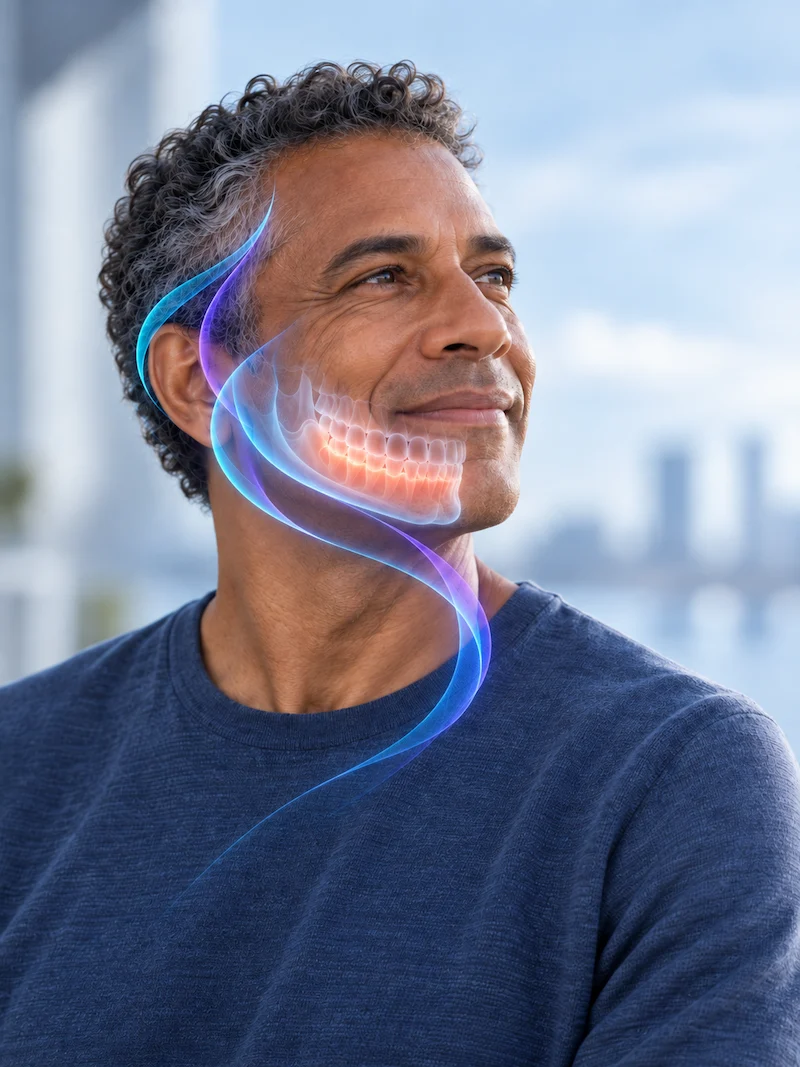
Understanding the gums
The gums and the alveolar bone surround and support the teeth, protect their roots and help keep them stable.
When there is gum atrophy or recession, these tissues can gradually deteriorate and recede. The involvement may affect not only the visible gum, but also the periodontal ligament and the bone that supports the root.
Loss of keratinized tissue and root exposure
Gum recession can leave part of the root and the dentin exposed. This can increase sensitivity and make the root surface more vulnerable to problems such as root caries.
Alveolar bone resorption
Chronic inflammatory processes can contribute to the loss of the bone matrix that supports the root and, as the involvement progresses, affect the stability of the tooth.
Inflammation and collagen breakdown
Plaque buildup or persistent mechanical trauma can affect the collagen fibers of the periodontal ligament and alter the attachment between the gum and the tooth.
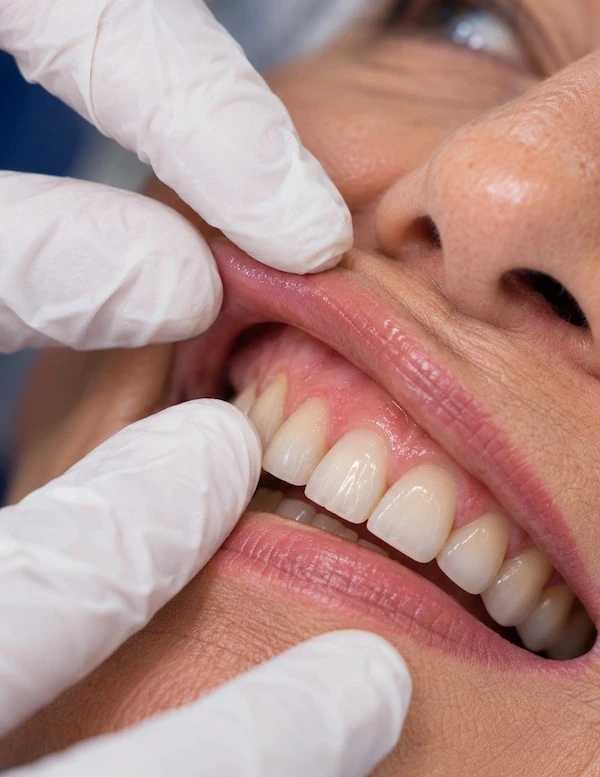
How can it present?
Receding gums
The gum line may shift, making the teeth look longer or leaving part of the root exposed.
Tooth sensitivity
Contact with certain temperatures, foods or other stimuli may cause discomfort when the root loses part of its protection.
Bleeding
The gums may bleed spontaneously or when brushing.
Pain or discomfort
Inflammation and involvement of the periodontal tissues can cause sensitivity or pain in certain areas.
Loss of stability
In more advanced cases, involvement of the gingival tissue and the alveolar bone can affect tooth support and make everyday functions such as eating or speaking more difficult.
Your own cells, directed toward the tissues that support your teeth.
The body has natural mechanisms to maintain and repair its tissues. However, in the case of advanced periodontal disease, prolonged traumatic brushing, malocclusion or biological aging, the self-repair capacity of the periodontal tissue may not be enough.
In these cases, the contribution of cells seeks to support biological processes related to the remodeling of the periodontal microenvironment, modulate local inflammation and support the structural recovery of the supporting tissues.
The personalized treatment combines two key components:
- Mesenchymal stem cells: they can take part in processes related to collagen production and connective tissue remodeling. They can also be directed toward cell lineages linked to periodontal support, such as osteoblasts and cementoblasts.
- Immune system cells: they help direct the preparation toward the specific cell types of the gingival and alveolar tissue and shape its interaction with the inflammatory environment.
Under the protocols of the Moviglia Method, the LYRACELL team obtains stem cells from the patient’s own adipose tissue and immune system cells from the blood. The cells are processed in the laboratory and combined as part of a preparation directed toward the gingival and periodontal structures identified during the evaluation.
The preparation is applied locally into the gums and, when indicated, into the alveolar bone, with the aim of supporting biological processes associated with the repair and remodeling of the supporting tissues.
The combination of both cell types seeks to support the body’s natural repair process, through a personalized approach and under strict safety protocols.
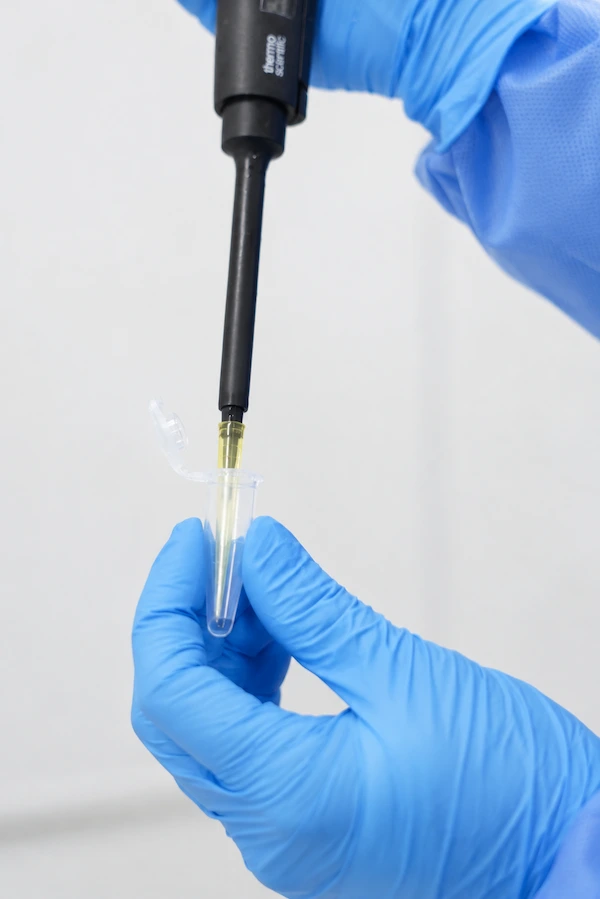
From the laboratory to your gums
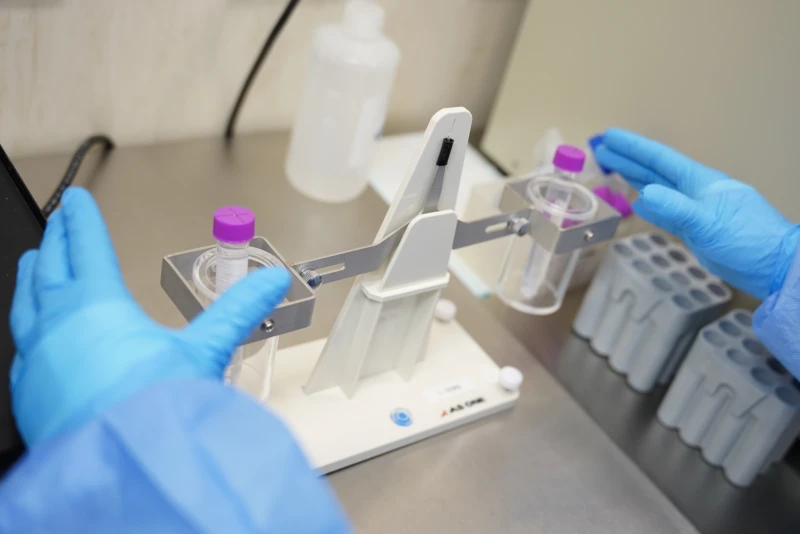
The stem cells are obtained from the patient and, together with immune system cells, are processed in the laboratory following the protocols of the Moviglia Method. Based on the medical evaluation, in coordination with your treating specialist, the LYRACELL team prepares a specific cell combination according to the structures involved before applying it to the areas to be treated.

Four stages, one process defined by the condition of your periodontal tissues.
From identifying the cause and degree of recession to following up on how the tissue progresses, each stage is defined individually.
1
Evaluation
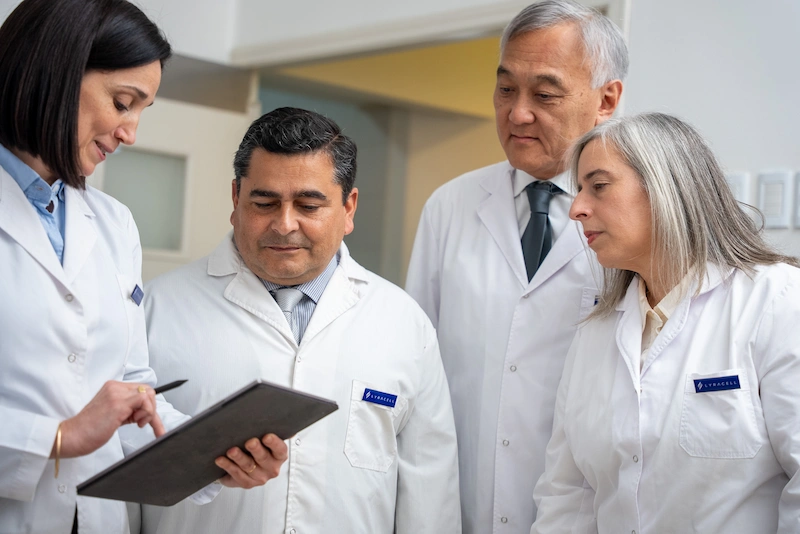
We review the medical history, periodontal history, oral hygiene habits and how long the recession has been progressing. The medical evaluation, in coordination with your treating specialist, can be complemented with digital X-rays and CT to determine the degree of involvement of the gums, the periodontal ligament and the alveolar bone.
2
Treatment proposal
The team determines whether cell therapy may be appropriate and defines the structures to be treated. If the patient is eligible, adipose tissue and peripheral blood are collected to prepare a combination adapted to the gingival and periodontal involvement.
3
Application
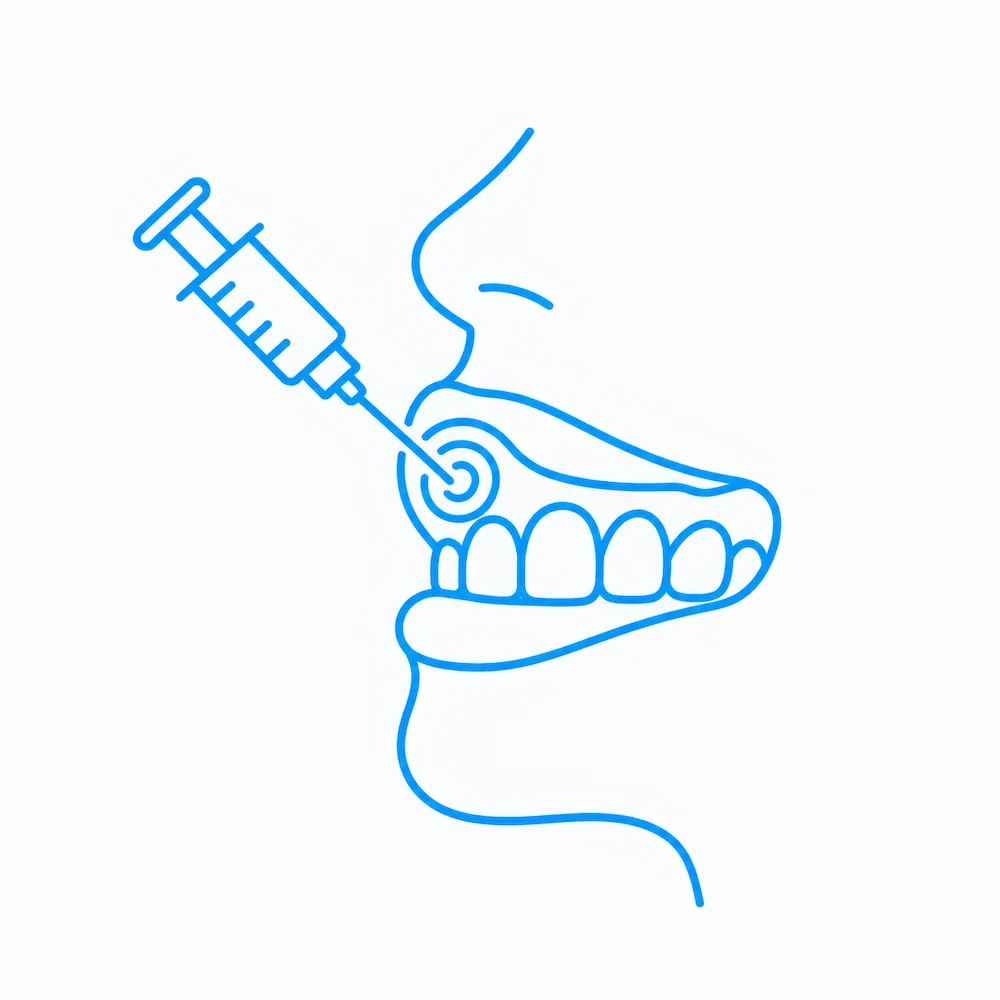
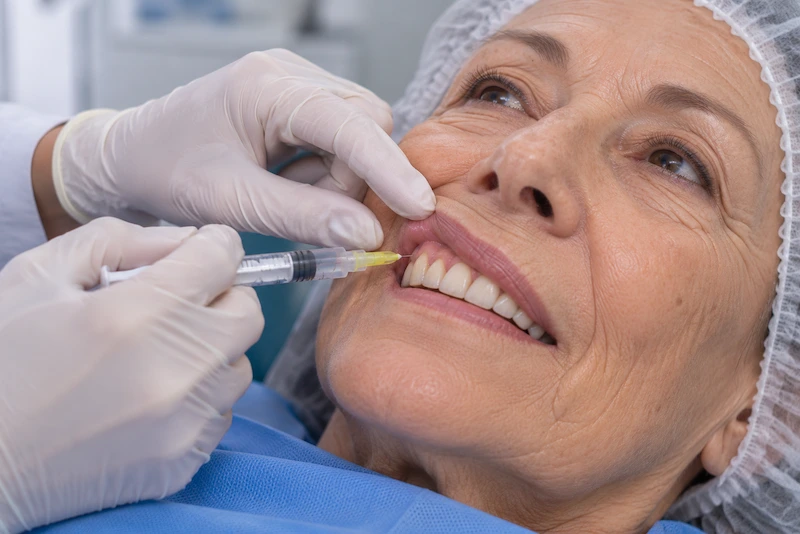
The preparation is administered through localized micro-injections under anesthesia into the areas with gum recession and, if the diagnosis requires it, into the alveolar bone. The number and frequency are determined according to the degree of involvement and clinical progress.

4
Follow-up
Follow-up gradually assesses the response of the treated tissues and the progress of symptoms such as sensitivity. It is complemented with non-traumatic oral hygiene guidelines and, when indicated, other measures such as probiotics or supplementation.
An accurate evaluation makes it possible to treat the specific problem, not just the symptom.
Could this treatment be an option for you?
The indication requires a medical evaluation, in coordination with your treating specialist, that identifies measurable tissue involvement and determines which structures are affected.
It may be an option if…
You have gum recession with progressive exposure of the tooth root.
There is gum atrophy identified during the evaluation.
You have periodontal dryness associated with tissue involvement.
Tooth sensitivity is related to the loss of coverage and protection of the root.
The evaluation shows involvement of the gingival tissue, the periodontal ligament or the alveolar bone.
You want to preserve the supporting tissues of your teeth and act on early signs of periodontal deterioration.
Another approach may be needed if…
There are untreated active oral infections, such as acute periodontal abscesses.
There is osteonecrosis of the jaw.
Uncontrolled infectious lesions are identified that first require a specific or surgical approach.
The indication is defined individually based on the medical evaluation and the corresponding studies.
Treating the tissue is part of the process. So is caring for the periodontal environment.
After the application, the team defines a follow-up plan according to the structures treated and each patient’s progress.
First days
The team indicates the care to follow after the micro-injections and the appropriate hygiene guidelines to avoid trauma to the treated areas.
Hygiene and periodontal care
Proper oral hygiene is part of the process. The team may recommend non-traumatic hygiene techniques so that brushing does not continue to cause mechanical damage to the gingival tissue. When indicated, the plan can also be complemented with probiotics and supplementation.
Measurable results
Medical follow-up, in coordination with your treating specialist, makes it possible to assess sensitivity, the condition of the gum line and the progress of the supporting tissues. When appropriate, imaging studies can be used to compare the periodontal and bone condition with the starting point.
Frequently asked questions
It is the progressive shift of the gum line that can leave part of the tooth root exposed. It can be associated with sensitivity and greater vulnerability of the root surface.
Not necessarily. The involvement can also affect the periodontal ligament and the alveolar bone that supports the root. That is why it is important to evaluate the structures that are not visible to the naked eye.
Contributing factors include advanced periodontal disease, prolonged traumatic brushing, malocclusion and biological aging.
The medical evaluation, in coordination with your treating specialist, can be complemented with digital X-rays and CT to analyze the supporting tissues and any bone loss.
The base treatment is autologous: the stem cells are obtained from the patient’s own adipose tissue and the immune system cells from their blood. In certain cases, depending on the medical indication, immune system cells from a selected donor may be used.
The preparation is administered through localized micro-injections under anesthesia into the areas of gum recession. Depending on the structures involved, the plan may also include application into the alveolar bone.
Yes. Caring for the periodontal environment is part of the process. A proper, non-traumatic hygiene technique helps prevent new mechanical damage to the gums.
Untreated active oral infections first require a specific approach. Limitations include acute periodontal abscesses, osteonecrosis of the jaw and other uncontrolled infectious lesions.
The first step is understanding what is affecting your gums.
Every treatment begins with an evaluation to understand the condition of the gingival, periodontal and bone tissue, identify the structures involved and determine which approach may be right for you.