


Hair: cell therapy for alopecia and loss of hair density.
Persistent shedding, thinning hair or a gradual loss of density may be related to alopecia and follicular aging. At LYRACELL we assess the condition of the scalp and the viability of the follicles to identify the origin of the problem and determine whether cell therapy can be part of a personalized treatment.
Personalized cell therapyLocalized applicationMinimally invasiveIn-house laboratory

Understanding hair
The scalp is home to thousands of hair follicles that go through continuous cycles of growth, transition and shedding. When this cycle is disrupted, the follicle can gradually lose its ability to produce hair with the same thickness, length and strength.
In alopecia, different processes can affect the follicular unit and the surrounding tissue at the same time.
Follicular miniaturization
The follicle can gradually shrink due to hormonal factors —such as the action of dihydrotestosterone, or DHT— or inflammatory factors. As a result, it starts producing hairs that are increasingly thin, short and weak.
Perifollicular tissue fibrosis
Changes in the collagen surrounding the root can increase tissue stiffness and alter the microenvironment in which the follicle sits.
Micro-inflammation and vascular changes
Chronic inflammation of the scalp can affect microcirculation and change the supply of oxygen and nutrients needed to sustain the growth phase, or anagen phase.
These processes can occur at the same time and gradually contribute to the loss of hair density.
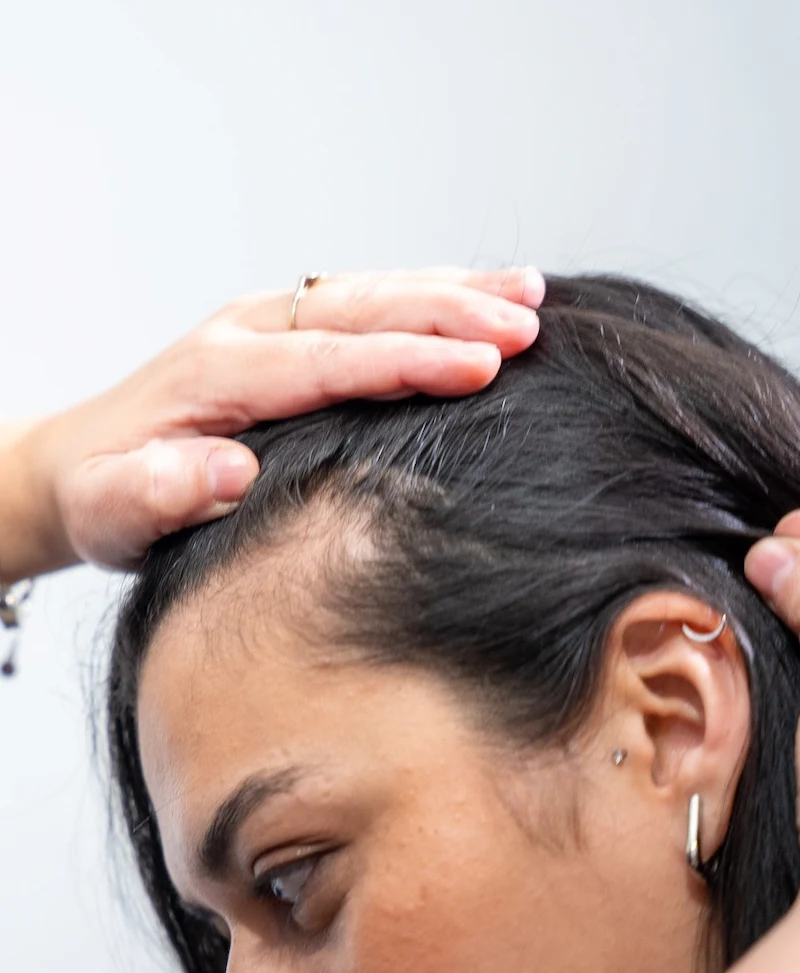
How can it present?
Persistent shedding
You may notice more hair falling out when washing or brushing it, or at different times of the day.
Loss of density
Certain areas of the scalp may start to look less covered.
Thinning hair
New strands may gradually grow thinner, shorter or weaker.
Changes in coverage
Reduced density may become more noticeable in specific areas and gradually change the appearance of the hair.
Your own cells, directed toward the follicular microenvironment.
The body has natural mechanisms to maintain and repair its tissues. However, in the face of prolonged stress, genetic predisposition, hormonal changes or biological aging, the self-repair capacity of the follicular environment may be insufficient.
In these cases, the contribution of cells aims to support biological processes related to the repair of the follicular microenvironment, modulate local inflammation and support the function of follicles that remain viable.
The personalized treatment combines two key components:
- Mesenchymal stem cells: part of a preparation intended to support biological processes related to the remodeling and support of the affected follicular structures.
- Immune system cells: help direct the cell preparation and support its interaction with the scalp tissues.
Under the protocols of the Moviglia Method, the LYRACELL team obtains stem cells from the patient’s own adipose tissue and immune system cells from their blood. The cells are processed in the laboratory and combined as part of a preparation directed toward the structures of the scalp.
The preparation is administered through localized microinjections in the areas with lower density, with the aim of supporting the biological conditions needed to preserve the function of viable follicles and improve hair quality and density.
The combination of both cell types aims to support the body’s natural repair process, through a personalized approach and under strict safety protocols.
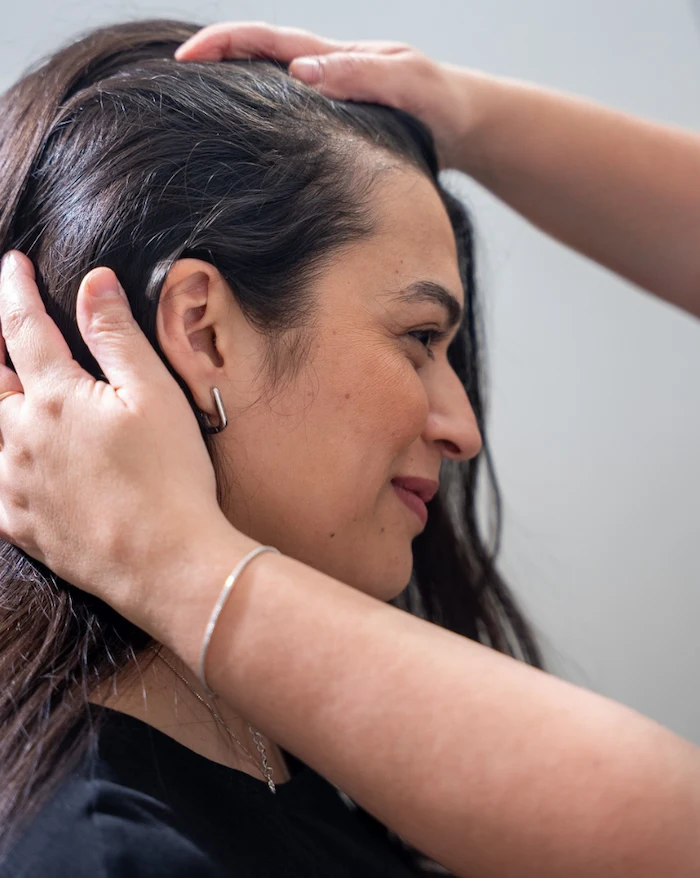
From the laboratory to your scalp
The stem cells are obtained from the patient and, together with the immune system cells, are processed in the laboratory following the protocols of the Moviglia Method. Based on the diagnosis and the condition of the follicles, the LYRACELL team prepares a specific cell combination before its localized application in the areas to be treated.



Four stages, a process defined by the condition of your follicles.
From identifying the cause of hair loss to assessing hair density, each stage is defined according to the characteristics of each case.
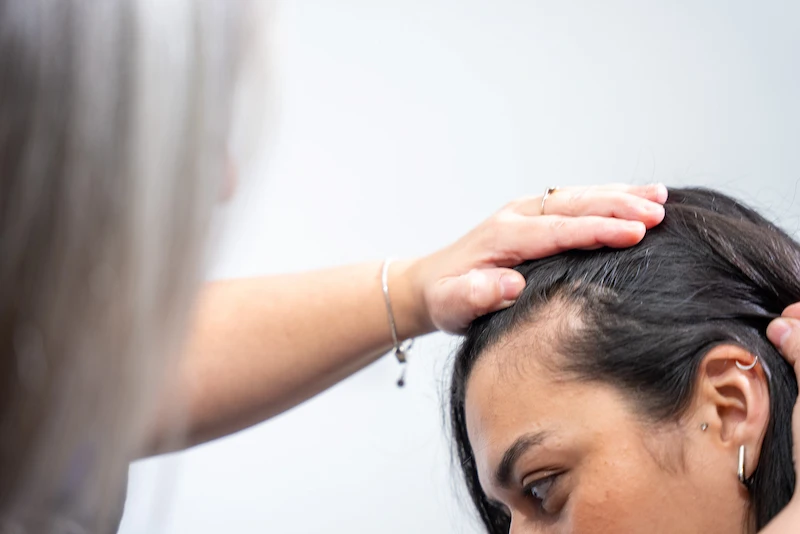
1
Evaluation
The medical history, genetic background, habits and how long the hair loss has been going on are reviewed. This can be complemented with digital trichoscopy, blood tests and a hormone panel to identify the origin of the problem, assess the viability of the follicles and establish a starting point.
2
Treatment proposal
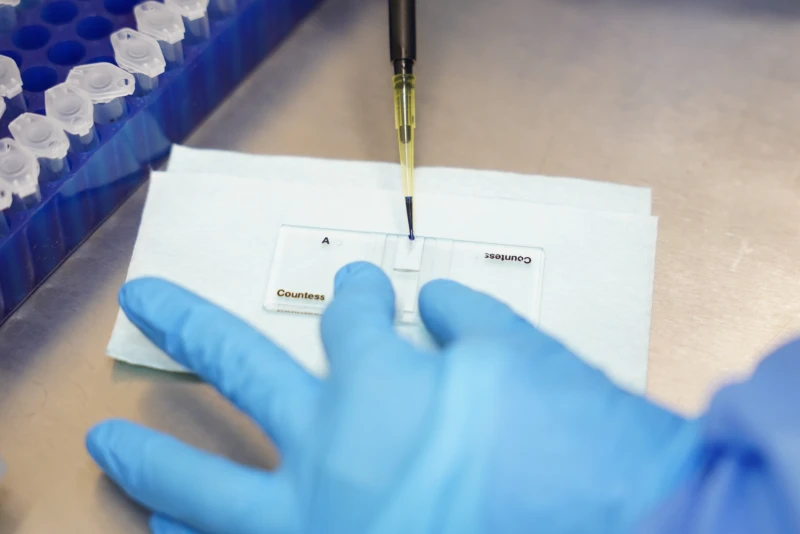
The medical team determines whether cell therapy may be appropriate. If the patient is eligible, adipose tissue and peripheral blood are collected, and a cell combination adapted to the follicular requirement is prepared in the laboratory.
3
Application
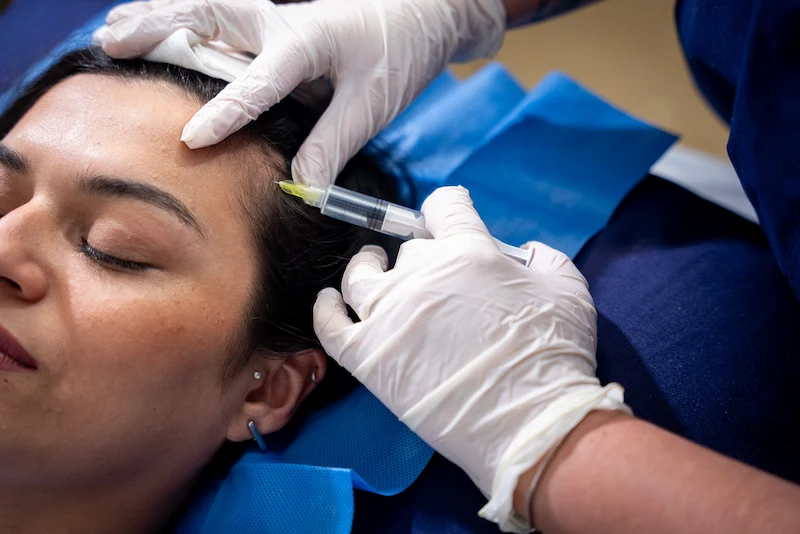
The cell preparation is administered through localized microinjections in the areas with lower hair density. The number and frequency of applications are determined individually according to the degree of involvement and the clinical progress observed.

4
Follow-up
Mild discomfort or temporary redness may appear at the application sites during the first days. In the following weeks and months, follow-up assesses shedding, hair fiber thickness and hair density, according to the biological cycle of the hair.
An accurate evaluation makes it possible to treat the specific problem, not just the visible sign.
Could this treatment be an option for you?
A key criterion is determining whether there are viable follicles. The indication is defined individually based on the type of hair loss, its origin and the assessment through trichoscopy and additional studies.
It may be an option if…
You have androgenetic alopecia and there are viable follicles in the affected areas.
You have chronic telogen effluvium that requires an assessment of the hair cycle.
There is loss of density or thinning associated with hair aging.
You notice a gradual decrease in hair thickness or coverage.
Hair loss persists and is starting to affect different areas of the scalp.
You want to preserve the function of your follicles and act on early signs of miniaturization or loss of density.
Another approach may be needed if…
There is advanced scarring alopecia or irreversible loss, in which the follicle has been destroyed and replaced by scar tissue, as can happen in advanced frontal fibrosing alopecia or discoid lupus.
The hair loss is associated with an uncontrolled acute systemic cause, such as an active, decompensated autoimmune disease.
There are severe untreated nutritional deficiencies whose cause must be corrected first.
The hair loss occurs during ongoing cancer treatment that requires priority medical care.
The indication is defined individually based on the medical evaluation, trichoscopy and the corresponding studies.
Images that make it possible to compare progress.
Follow-up images make it possible to compare the condition of the scalp before treatment and at later check-ups. They correspond to specific cases: the response, timing and degree of progress vary from patient to patient.
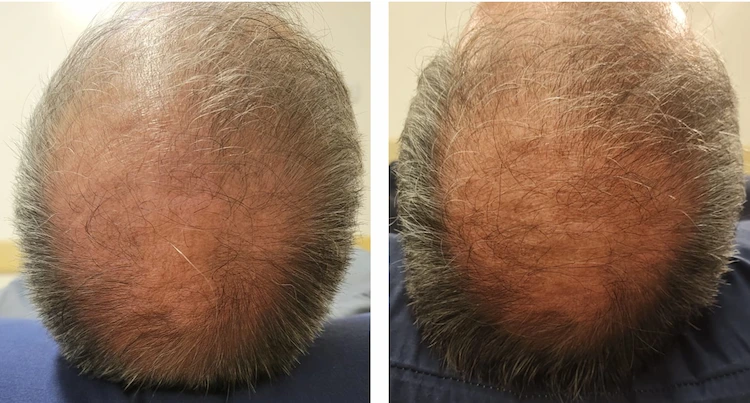
A 62-year-old male patient with androgenetic alopecia. The patient received 2 applications of regenerative treatment. Comparing the before and after photos, we found:
- Greater hair density: in the second photo there is more hair on the crown, and much less of the scalp is visible.
- Thicker, stronger hair: the hairs look fuller, giving the impression of a denser head of hair.
- Better coverage of the central area: the sparsest area, in the center of the crown, is now largely covered.
These results show an improvement in the amount and quality of this patient’s hair after only 2 applications.
Results may vary from person to person. Each case is evaluated individually.
Before
After
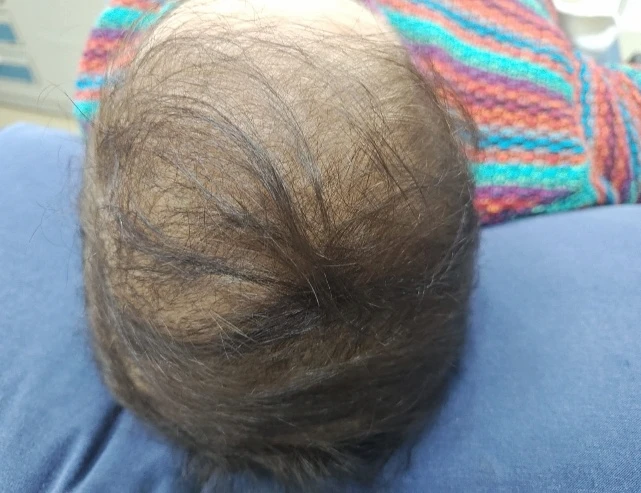
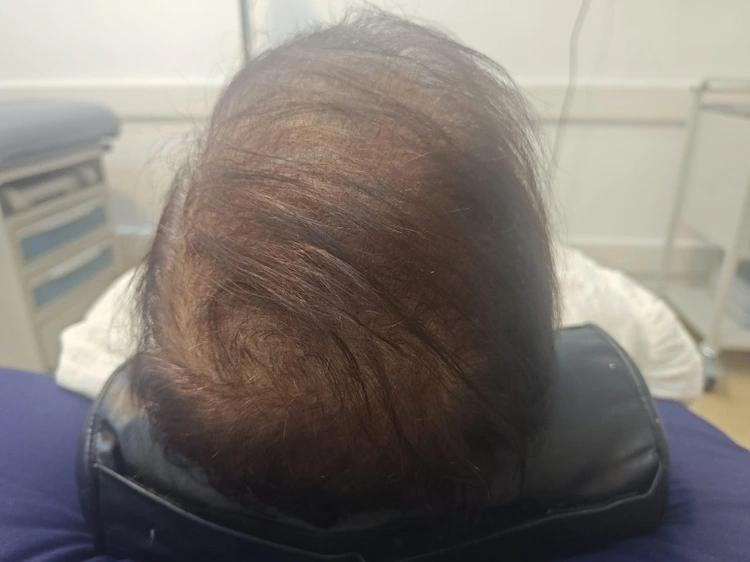
A 72-year-old patient with loss of hair density on the top of the head.
The patient received 1 application of regenerative treatment. Comparing the before and after photos, we found:
- More hair density: in the second photo the hair looks thicker, and much less of the scalp is visible.
- Better crown coverage: the central area, which used to look sparser, is now covered more evenly.
- Hair with more body: the hairs look stronger and have more volume.
These results show a visible improvement in hair density.
Results may vary from person to person. Each case is evaluated individually.
Hair has its own timing. Assessing its progress is also part of the process.
Changes in hair do not happen immediately. After the application, the medical team carries out follow-up according to the diagnosis, the hair cycle and each patient’s progress.
First days
Mild discomfort or temporary redness may appear at the application sites. The medical team provides the corresponding aftercare instructions.
Hair progress
Because each follicle goes through different phases of growth and shedding, progress is analyzed gradually over the following weeks and months. Follow-up makes it possible to observe changes in active shedding, hair fiber thickness and coverage of the treated areas.
Measurable results
Digital trichoscopy makes it possible to record the initial condition of the scalp and later compare parameters related to density and the characteristics of the follicles and hair fibers.
Frequently asked questions
In alopecia, changes in the hair cycle and a gradual miniaturization of the follicles can occur. Genetic, hormonal and inflammatory factors, as well as factors associated with aging, can play a role in this process.
No. Hair loss can have different causes, and some require treating the underlying problem first. That is why a diagnosis is needed before defining any treatment.
The presence of viable follicles confirmed by trichoscopy is a key criterion for assessing this indication. When the follicle has been completely destroyed and replaced by scar tissue, a different approach is needed.
Depending on the case, the evaluation may include digital trichoscopy, blood tests and a hormone panel, in addition to the medical history and genetic background.
The base treatment is autologous: the stem cells are obtained from the patient’s own adipose tissue and the immune system cells from their blood. In certain cases, depending on the medical indication, immune system cells from a selected donor may be used.
The preparation is administered through localized microinjections in the areas of the scalp with lower density.
The number of applications is defined at the start of treatment, according to the degree of involvement, as part of a plan with specific goals. At the end of the plan, progress is assessed and, if needed, further interventions are defined.
Hair goes through biological cycles that take time. That is why progress is analyzed over the following weeks and months through clinical evaluation and, when appropriate, new trichoscopies.
The first step is understanding why you are losing hair.
Every treatment begins with an evaluation to identify the origin of the hair loss, understand the condition of the follicles and determine which approach may be right for you.