


Thyroid: cell therapy for thyroid dysfunction.
Weight gain, hair loss, dry skin or slower bowel movements may be associated with insufficient production of thyroid hormone. At LYRACELL we assess the function of the gland, its structure and the origin of the damage to determine whether cell therapy can be part of the approach.
Personalized cell therapyUltrasound-guidedMinimally invasiveIn-house laboratory

Understanding the thyroid
The thyroid gland produces hormones that are essential for different functions of the body. When that production decreases, signs and symptoms associated with hypothyroidism may appear.
The causes can vary. When the problem is associated with a persistent inflammatory process in the gland, the thyroid tissue can suffer progressive structural damage and be partially replaced by fibrous tissue.
That is why, before defining any approach, it is necessary to understand what is causing the problem, how much tissue is affected and how much functional capacity the gland retains.
Persistent inflammation
A sustained inflammatory process can gradually affect the cells that make up the thyroid tissue.
Structural damage
When the damage persists, the natural repair mechanisms may be insufficient and the structure of the gland may become compromised.
Fibrosis
Part of the functional tissue can be gradually replaced by fibrous scar tissue, which can affect the gland’s ability to perform its function.
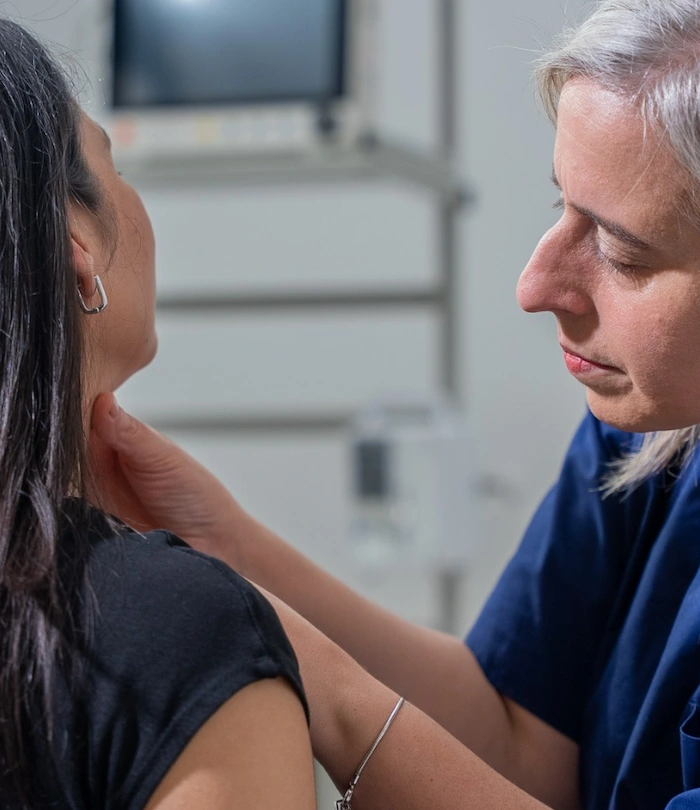
How can it present?
Changes in weight
Weight gain can be one of the signs associated with lower thyroid hormone production.
Hair loss
Hormonal changes may come with increased hair loss or changes in the hair.
Dry skin
The skin may gradually become drier.
Slow bowel movements
Bowel function may slow down and change from its usual rhythm.
Your own cells, directed toward the tissue of the thyroid gland.
The body has natural mechanisms to repair its tissues. However, when the damage to the gland persists, these mechanisms may be insufficient and structural involvement that affects its function may develop.
In these cases, the contribution of cells aims to support biological processes related to the repair and remodeling of the remaining thyroid tissue and to support its function.
The personalized treatment combines two key components:
- Mesenchymal stem cells: provide biological potential to support processes associated with the repair and remodeling of the affected tissue.
- Immune system cells: help direct the preparation toward the thyroid gland’s own cells and support its interaction with the glandular tissue.
Under the protocols of the Moviglia Method, the LYRACELL team obtains stem cells from the patient’s own adipose tissue and immune system cells from their blood. The cells are processed in the laboratory and combined as part of a preparation directed toward the thyroid tissue.
The preparation is administered through a localized injection into the thyroid gland, with the aim of supporting biological processes associated with the repair of the remaining tissue and supporting its function.
The combination of both cell types aims to support the body’s natural repair process, through a personalized approach and under strict safety protocols.
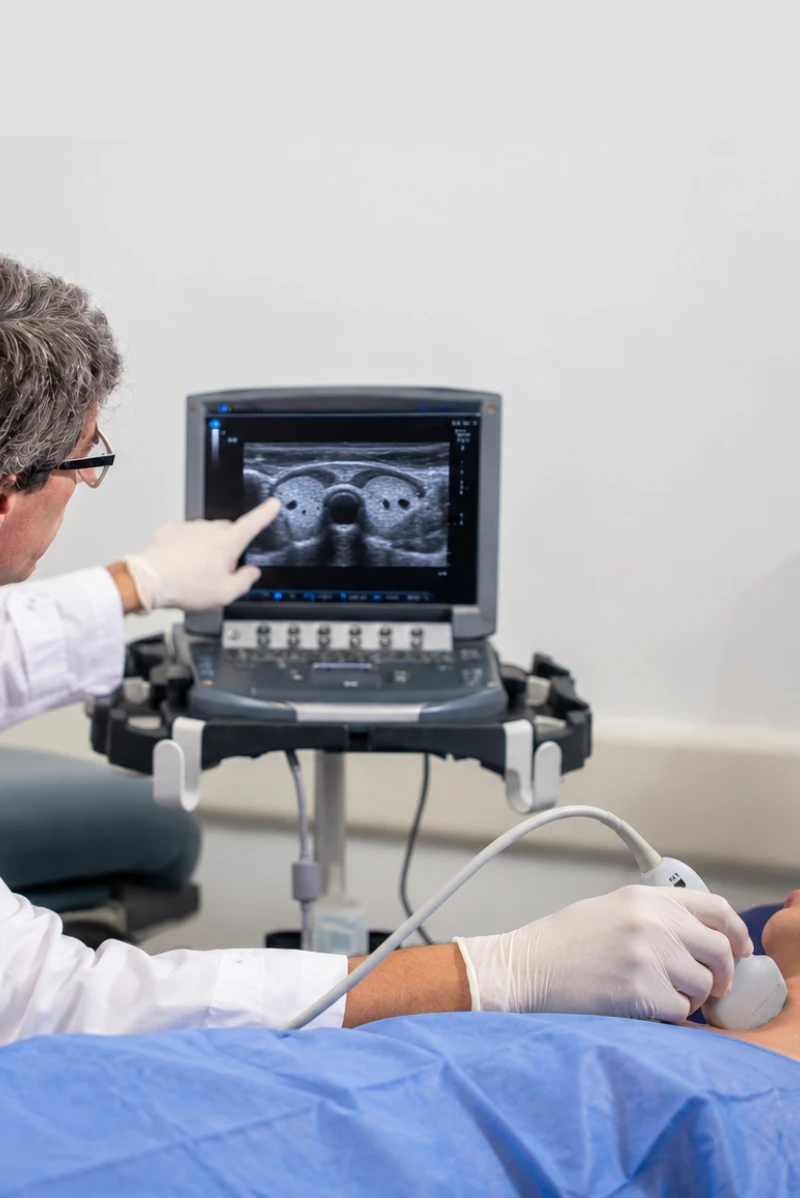
From the laboratory to your thyroid
The stem cells are obtained from the patient and, together with the immune system cells, are processed in the laboratory following the protocols of the Moviglia Method. Based on the structural and functional evaluation of the gland, the LYRACELL team prepares a specific cell combination before its localized application.

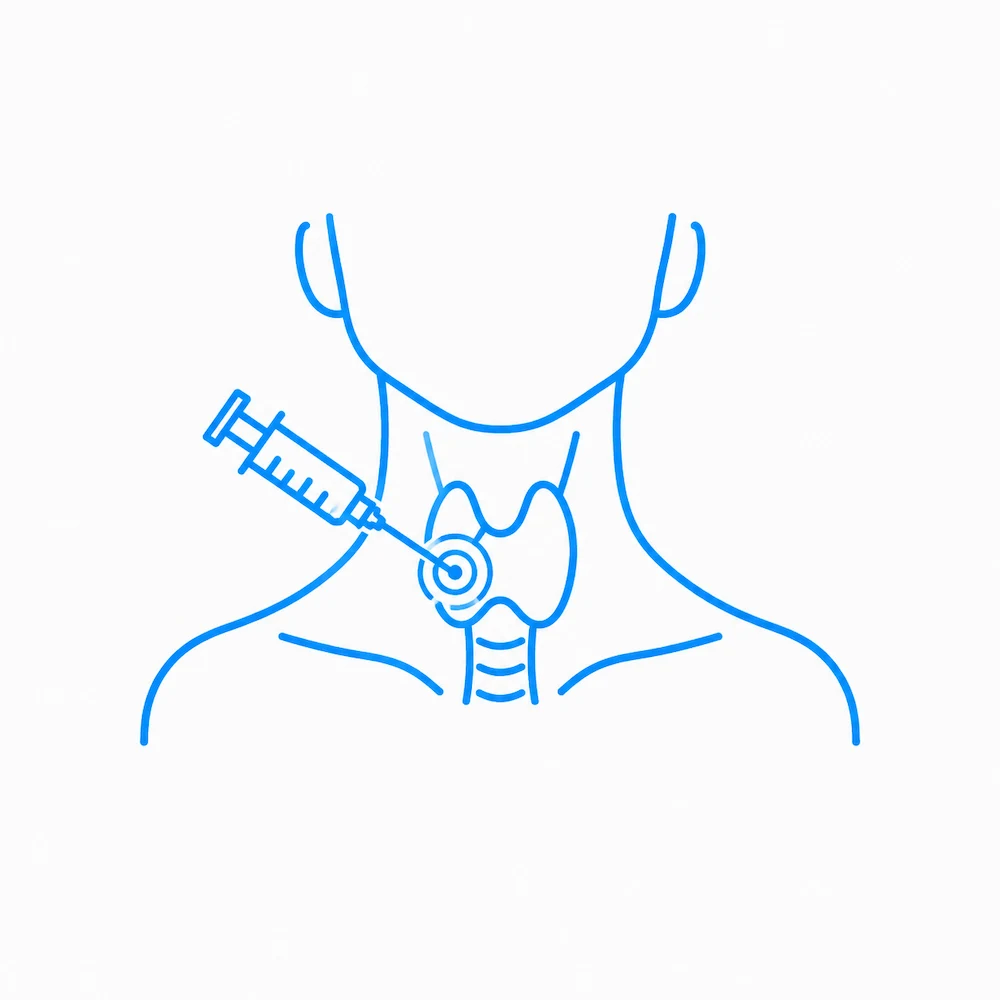
Four stages, a process defined by the condition of your gland.
From identifying the cause of the damage to assessing thyroid function, each stage is defined individually.

1
Evaluation
A clinical, structural and functional evaluation of the thyroid gland is carried out to determine the cause of the damage and how much functional tissue remains. This can be complemented with laboratory and imaging studies, such as ultrasound and a thyroid scan, depending on each case.
2
Treatment proposal
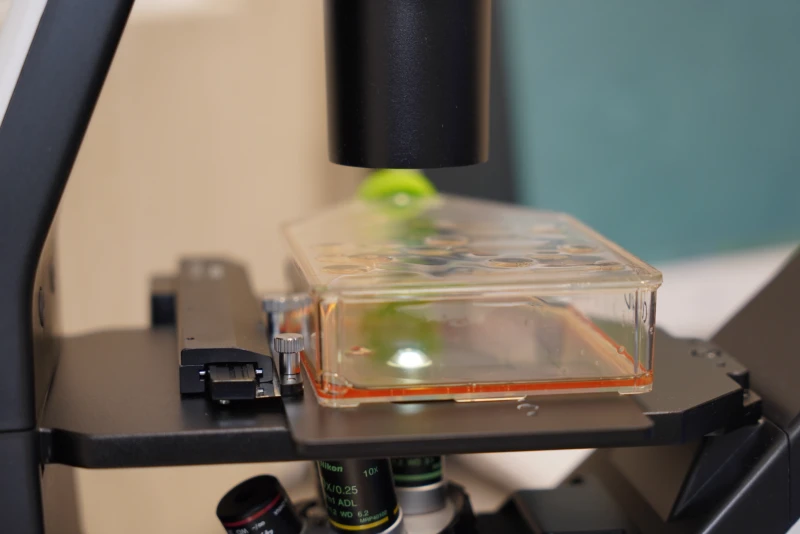
The medical team determines whether there is remaining tissue and whether cell therapy may be appropriate. If the patient is eligible, adipose tissue and peripheral blood are collected, and a combination directed toward the thyroid tissue is prepared in the laboratory.
3
Application
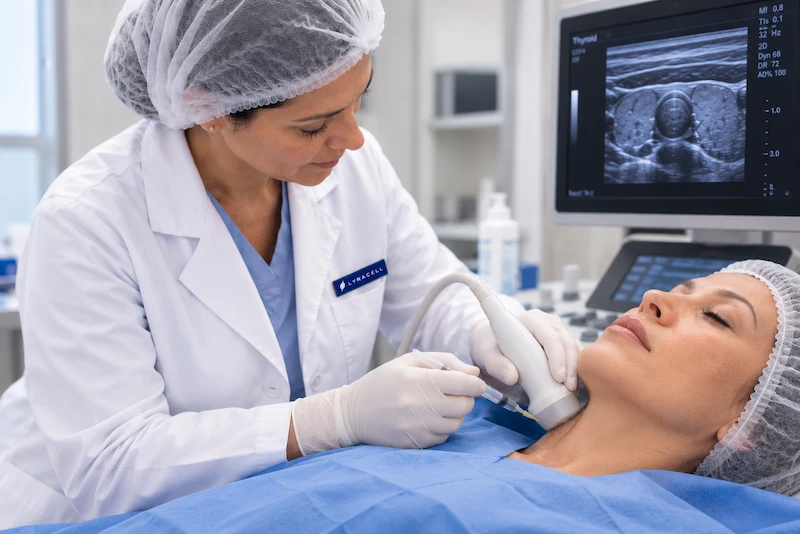
The cell preparation is administered through a localized injection into the thyroid gland, under ultrasound guidance and with local anesthesia. The number and frequency of applications are determined individually according to the degree of impairment and the clinical progress observed.

4
Follow-up
Follow-up assesses the function of the gland and its hormone production. The therapy aims to support the gland’s own production when functional tissue remains and the cause of the damage is under control; if progress is favorable, the medical team may evaluate the need for external supplementation. Any change in medication must be made only under medical supervision.
An accurate evaluation makes it possible to treat the specific problem, not just the symptom.
Could this treatment be an option for you?
The indication depends on both the diagnosis and the structural and functional condition of the gland. The presence of remaining thyroid tissue and control of the cause of the damage are central aspects of the evaluation.
It may be an option if…
You have chronic thyroiditis, such as stable Hashimoto’s thyroiditis.
There is hypothyroidism secondary to damage to the thyroid tissue.
You have another degenerative thyroid disorder with structural or functional involvement.
Studies show that there is remaining thyroid tissue with function that can be evaluated.
The cause of the damage or the inflammatory process is under control.
You want to address the involvement of the thyroid tissue in addition to monitoring hormone function.
Another approach may be needed if…
There is complete absence of the thyroid gland.
Thyroid nodules with a high suspicion of malignancy or thyroid cancer are identified.
There is an active infection in the gland.
There is another uncontrolled autoimmune disease.
The indication is defined individually based on the clinical, structural and functional evaluation of the gland.
Applying the cells is one stage. Assessing function is part of the process.
After the application, the medical team carries out follow-up according to the diagnosis, the initial degree of involvement and each patient’s progress.
First days
The medical team provides aftercare instructions following the localized application and the necessary guidelines for each case.
Controlling the cause
Controlling the inflammatory process or the cause of the damage is a fundamental part of the approach. If the damage to the gland persists, it can continue to affect the thyroid tissue.
Measurable results
Clinical check-ups and laboratory studies make it possible to assess changes in thyroid function and hormone production. When appropriate, new imaging studies can be added to analyze the gland and compare its condition with the starting point.
Frequently asked questions
No. Thyroid hormone production can be affected by different causes. Identifying the origin of the problem is necessary before evaluating any treatment.
The evaluation considers clinical, structural and functional aspects. It may include laboratory studies and imaging studies, such as ultrasound and a thyroid scan.
The base treatment is autologous: the stem cells are obtained from the patient’s own adipose tissue and the immune system cells from their blood. In certain cases, depending on the medical indication, immune system cells from a selected donor may be used.
The cell preparation is injected into the thyroid gland under ultrasound guidance and with local anesthesia.
It cannot be presented as a guaranteed result. The treatment aims to support the gland’s own production of thyroid hormone when tissue with remaining functional capacity is present. If favorable progress is observed, the medical team may evaluate the need for external supplementation. Any change in medication must be made only under medical supervision.
Because if the inflammatory process or the cause of the damage remains active, it can continue to affect the thyroid tissue and limit its functional capacity.
No. Complete absence of the thyroid gland is an exclusion criterion for this treatment.
Nodules with a high suspicion of malignancy or thyroid cancer are exclusion criteria. These conditions require the appropriate medical approach before cell therapy is considered.
The first step is understanding how much functional tissue your thyroid retains.
Every treatment begins with an evaluation to identify the cause of the damage, understand the structural and functional condition of the gland and determine which approach may be right for you.