


Spinal cord: cell therapy for spinal cord injuries.
The spinal cord is the main communication pathway between the brain and the rest of the body. When an injury interrupts that connection, movement, sensation and, in some cases, bladder and bowel control can be affected, with a significant impact on independence. The damage can occur suddenly due to trauma that compresses or injures the cord, or due to an interruption of blood flow that causes ischemia. At LYRACELL we assess the level, extent and degree of conduction the spinal cord retains to determine whether cell therapy can be part of a personalized treatment.
Personalized cell therapyComprehensive medical evaluationIntensive rehabilitationIn-house laboratory
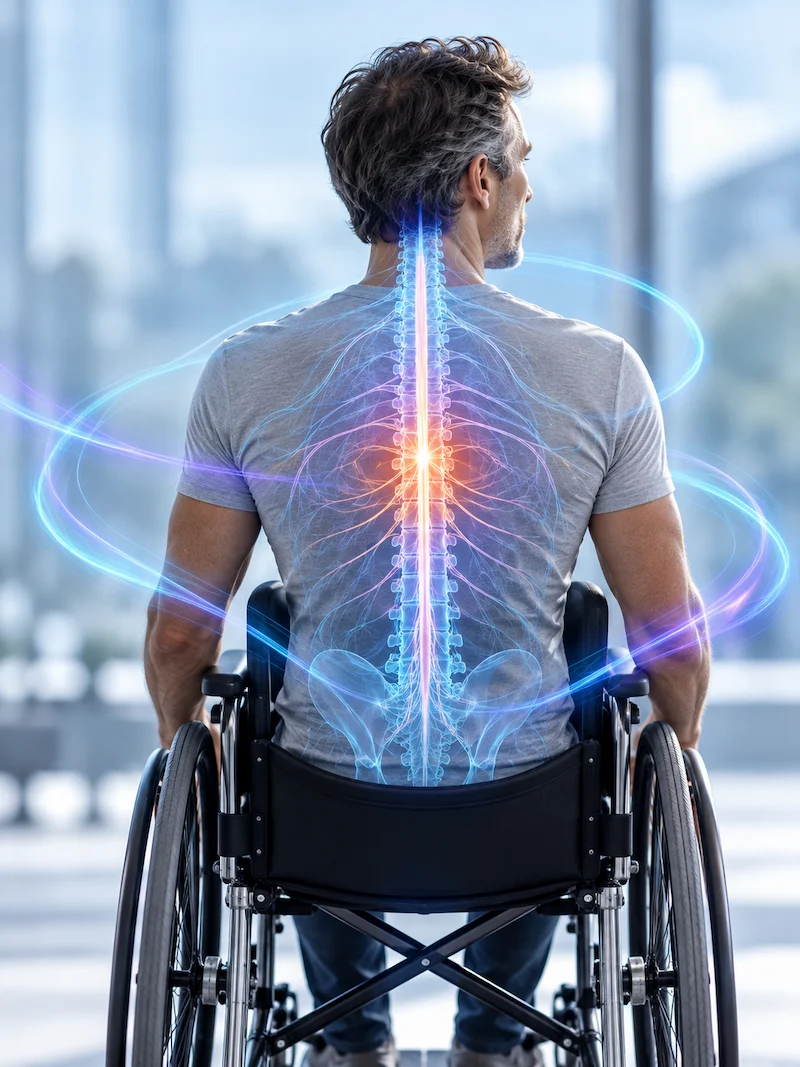
Understanding the spinal cord
The spinal cord is part of the central nervous system and connects the brain with different regions of the body.
Inside it are motor pathways, which carry movement commands to the muscles; sensory pathways, which carry information from the body to the brain; and circuits linked to certain autonomic functions, including bladder and bowel control.
That is why a spinal cord injury can affect different functions depending on its level, its extent and the nerve pathways involved.
Unlike the peripheral nerves, central nervous tissue has a limited capacity for spontaneous regeneration.
Traumatic damage
A fracture, dislocation, penetrating wound or other spinal trauma can compress or partially or completely injure the spinal cord.
Hematomas, bone fragments or displaced structures can also affect the spinal cord tissue.
When this happens, conduction along the motor, sensory and autonomic pathways below the level of the injury can be interrupted.
Vascular damage
An interruption of blood flow to a region of the spinal cord can cause ischemia and damage to the nerve cells.
The location and extent of the deficit depend on the vascular territory involved.
Damage can continue after the initial event
A spinal cord injury does not necessarily end at the moment of the trauma or vascular event.
Secondary processes can add to the initial damage over the following days, such as inflammation, edema and secondary ischemia.
Over time, the loss of nerve stimulation can also affect the tissues below the injury, including muscle atrophy and deterioration of the vascular network.
How can it present?
Loss of strength or movement
Involvement of the motor pathways can reduce or interrupt the signals that reach certain muscle groups.
Changes in sensation
There may be a reduced or lost ability to perceive stimuli below the level of the injury.
Changes in bladder and bowel control
When the corresponding autonomic pathways are affected, changes in bladder or bowel control may also appear.
Gradual loss of muscle mass and function
A prolonged lack of nerve stimulation can lead to atrophy and functional decline of the affected muscles.
A therapy directed at the spinal cord injury and its effects on nerves and muscles.
Central nervous tissue has a limited ability to spontaneously repair significant structural damage.
That is why this approach does not consider only the site of the spinal cord injury: it also considers the peripheral nerves, muscles and vascular component that can deteriorate secondarily due to the loss of stimulation.
The treatment used at LYRACELL combines two components:
- Stem cells obtained from adipose tissue: processed and pre-differentiated in the laboratory into progenitors linked to neural, muscle and vascular tissue, according to the structures to be addressed.
- Immune system cells obtained from the blood: take part in preparing the therapy and directing it toward the specific tissues that need treatment.
Under the protocols of the Moviglia Method, the LYRACELL team prepares a specific cell combination according to the level of the injury, the pathways involved and their peripheral effects.
The goal is to support biological processes associated with the remodeling of nerve and vascular tissue and to support the treatment of peripheral structures affected by the loss of conduction.
The combination of these components aims to support the body’s natural repair processes through a personalized approach and under medical and safety criteria.
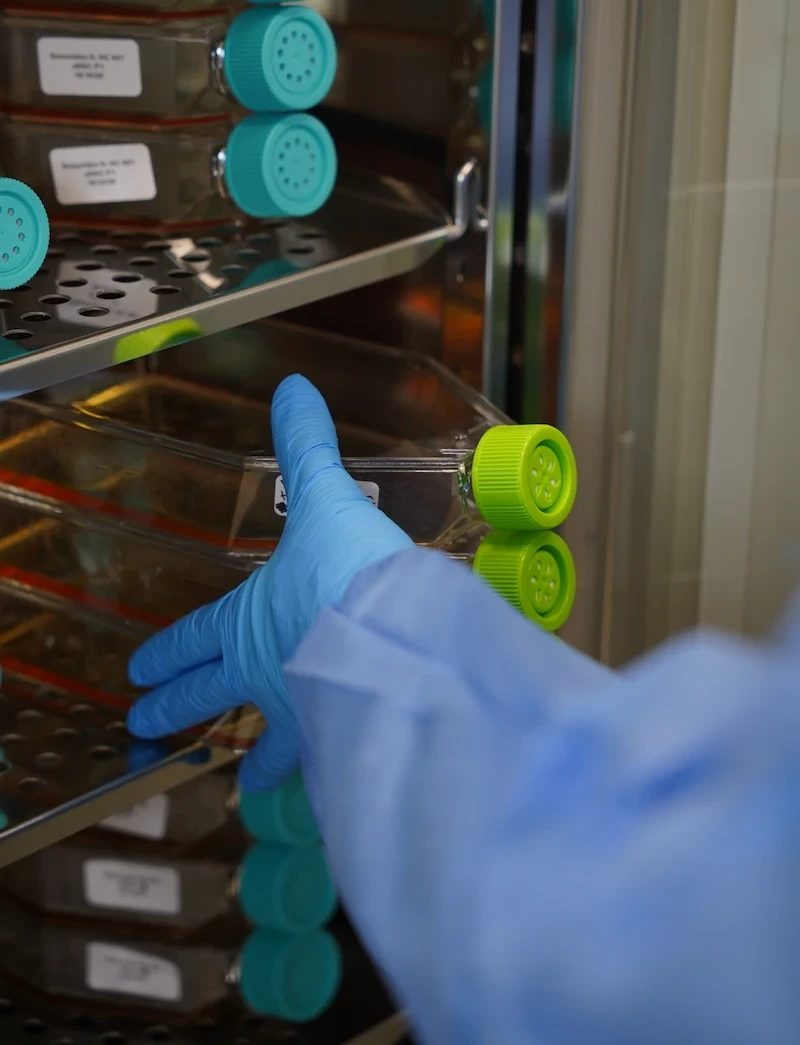
From the laboratory to the spinal cord and affected tissues
The stem cells are obtained from the patient and, together with the immune system cells, are processed in the laboratory following the protocols of the Moviglia Method. The preparation is defined based on the level of the injury, the pathways involved and its effects on nerves and muscles. Depending on the characteristics of each case, administration combines different routes to address both the central component and its peripheral consequences: intravenous infusion, perineural and intramuscular applications.

Four stages to address the injury and work on the function that can still be recovered.
In a spinal cord injury, knowing where the damage is is only part of the diagnosis. It is also necessary to determine which signals still pass through the injured area and how the muscles and nerves below it respond.
1
Evaluation
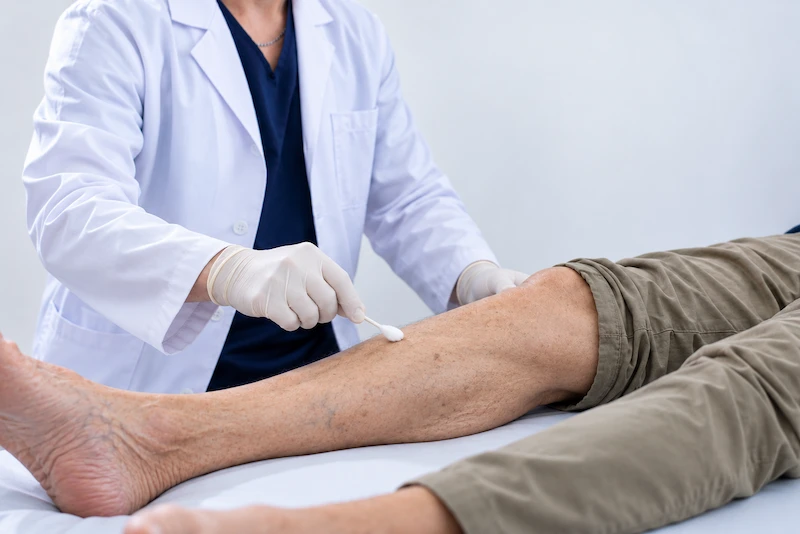
The clinical condition, the mechanism of damage, the level of the injury and previous treatments are analyzed. The motor and sensory neurological exam is complemented with MRI, electromyography and evoked potentials to establish a starting point and quantify the involvement.
2
Treatment proposal
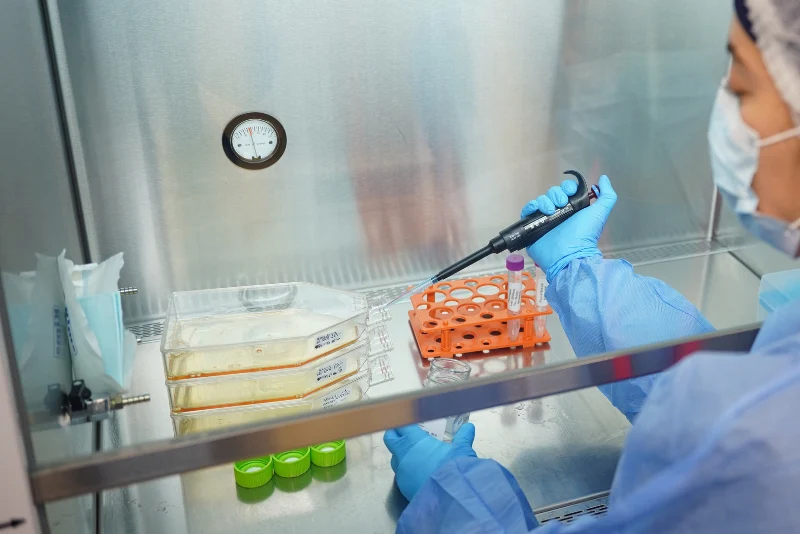
The level and extent of the damage, the components to address, the preparation and the routes of administration are defined. If the patient is eligible, adipose tissue and blood are collected to prepare the formula, and intensive rehabilitation, an essential part of the treatment, is planned.
3
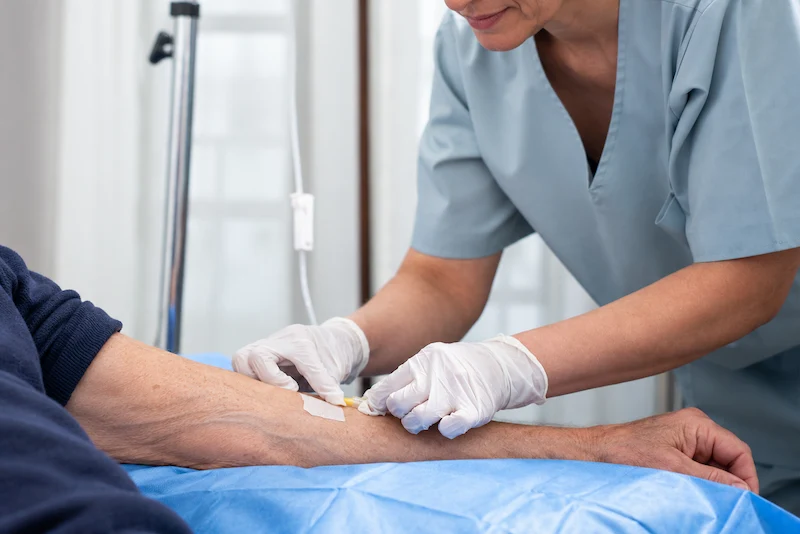
Application
It may combine the intravenous route, as a systemic approach; perineural application, in nerves of the affected segment; and intramuscular application, in atrophied muscles. The therapy does not replace stabilization, decompression or surgical repair: any structural emergency must be treated before this approach is evaluated.
4
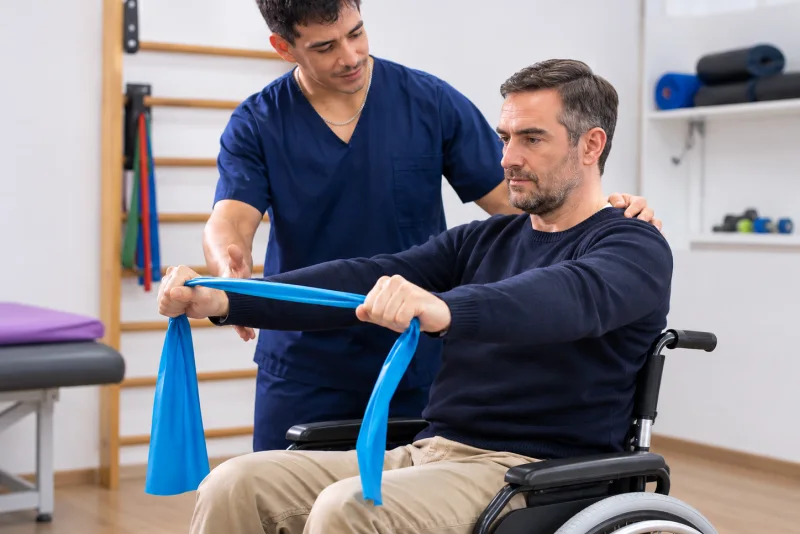
Follow-up
Intensive rehabilitation is part of the treatment from the start. Progress is monitored with neurological exams, functional assessment and neurophysiological studies; some changes first appear at the electrical level. At least six cycles are planned in the first year; they are then adjusted according to progress, sometimes over several years.
An accurate evaluation makes it possible to treat the specific problem, not just the symptom.
Could this treatment be an option for you?
This approach can be evaluated in people with motor, sensory or bladder and bowel control deficits secondary to a traumatic or vascular spinal cord injury, provided there is damage that can be demonstrated through the neurological evaluation and the corresponding studies.
It may be an option if…
You have had a traumatic spinal cord injury.
There is a spinal cord injury secondary to a vascular or ischemic event.
The injury has already received the necessary stabilization, decompression or surgical repair.
You have partial or significant loss of strength or movement below the level of the injury.
There are sensory changes associated with the spinal cord damage.
You have changes in bladder and bowel control linked to the injury.
Imaging and neurophysiological studies make it possible to objectively identify and quantify the involvement.
There is muscle atrophy secondary to a prolonged loss of nerve stimulation.
You can take part in the intensive rehabilitation program that is part of this approach.
Another approach may be needed if…
There is compression, spinal instability or another structural problem that still requires priority medical or surgical treatment.
The condition is multiple sclerosis or another primarily degenerative or demyelinating disease of the central nervous system.
The diagnosis is amyotrophic lateral sclerosis —ALS— or another motor neuron disease.
The mechanism of damage is different from the traumatic or vascular spinal cord injury covered by this indication.
Your clinical condition does not allow you to safely take part in the intensive rehabilitation program.
The indication is determined individually based on the origin of the injury, its level and extent, and the clinical, functional, imaging and neurophysiological findings.
Restoring a connection also means teaching the body to use it again.
In this indication, rehabilitation plays a central role. Cell treatment and functional training are planned as parts of the same strategy.
Intensive functional stimulation
The program works repeatedly on movement, postural control and the muscle groups related to the affected pathways, adapting the challenges to each patient’s progress.
From electrical activity to function
Changes are not always visible at first.
Neurophysiological studies can detect changes in electrical activity before there is any obvious functional movement. That is why the evaluation combines what the studies show with the function the patient can perform.
Measurable results
Progress is analyzed through neurological exams, electromyography, evoked potentials and functional assessment, comparing the results with the starting point.
As changes appear, the rehabilitation program can be adapted to include new functional challenges.
Frequently asked questions
It is the main communication pathway between the brain and the body. Signals related to movement and sensation travel through it, as well as pathways linked to certain autonomic functions.
This indication is specifically for spinal cord injuries of traumatic or vascular origin.
The evaluation combines the neurological exam with studies such as spinal MRI, electromyography and evoked potentials, which make it possible to analyze the structure and function of the pathways involved.
No. An injury with spinal cord compression, spinal instability or other structural involvement may require stabilization, decompression or surgical repair. When indicated, these procedures must be carried out before cell therapy is evaluated.
The base treatment is autologous: the stem cells are obtained from the patient’s own adipose tissue and the immune system cells from their blood. In certain cases, depending on the medical indication, immune system cells from a selected donor may be used.
Depending on the characteristics of the case, intravenous administration, perineural and intramuscular applications may be combined, according to the structures that need to be addressed.
A long-standing spinal cord injury can reduce the stimulation received by the structures below its level. This can contribute to muscle atrophy and peripheral vascular and functional deterioration.
Yes. In this protocol, intensive physical rehabilitation is an essential part of the treatment, not an optional later stage.
It depends on the injury and its progress. The protocol includes at least six cycles during the first year and, afterward, the frequency is adapted according to the clinical, functional and neurophysiological response. In some cases, treatment may continue for several years as long as progress justifies it.
Some changes may first be detected through electrical activity studies, before there is a visible functional change. The sequence and degree of recovery vary between patients.
No. This indication does not cover primarily degenerative or demyelinating diseases of the central nervous system or motor neuron diseases, because their mechanisms of damage differ from those of a traumatic or vascular spinal cord injury.
The first step is understanding where the injury is and which connections remain active.
The neurological evaluation, imaging studies and neurophysiological tests make it possible to determine the level and extent of the damage and establish whether cell therapy, together with an intensive rehabilitation program, can be part of an appropriate strategy for your case.