


Lungs: cell therapy for chronic obstructive pulmonary disease.
Breathing depends on the coordinated function of the airways and lung tissue. When structures such as the bronchi and alveoli deteriorate, shortness of breath, persistent cough, fatigue and a gradual loss of the ability to carry out everyday activities may appear. At LYRACELL we assess the structural and functional involvement of the lungs to determine whether cell therapy can be part of a personalized approach for patients with Chronic Obstructive Pulmonary Disease —COPD—.
Personalized cell therapyComprehensive medical evaluationIntravenous administrationIn-house laboratory
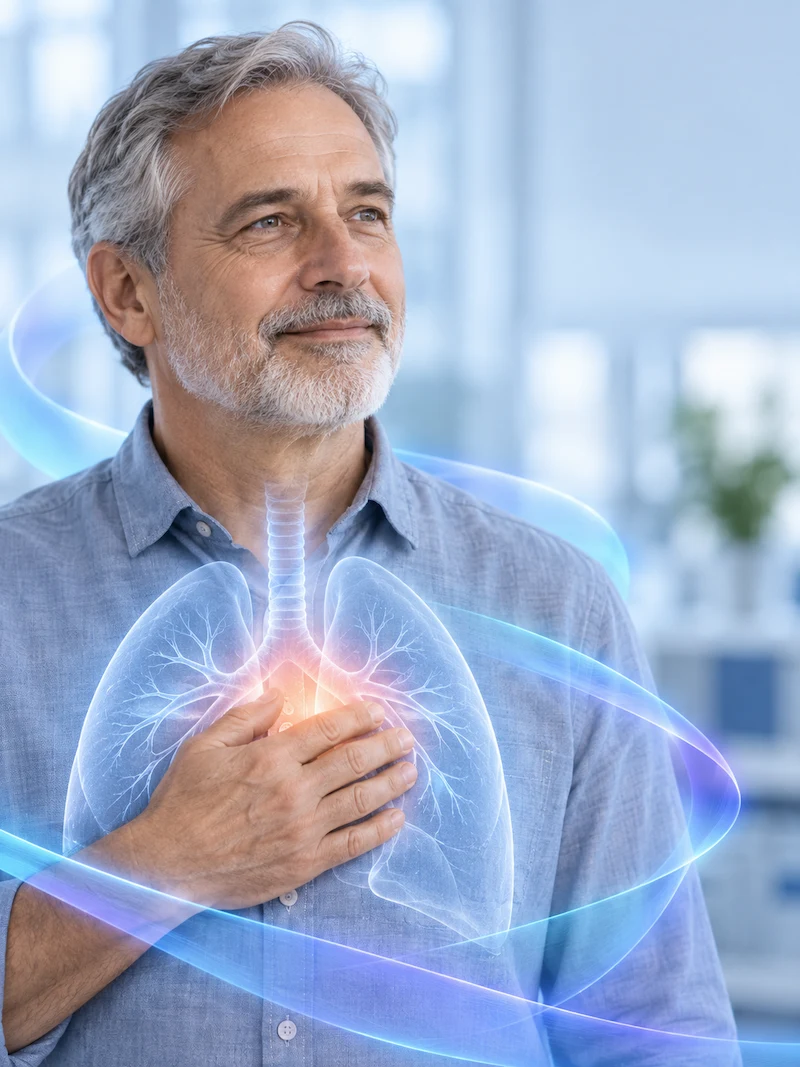
Understanding the lungs
The respiratory system is made up of different structures that work together. The bronchi carry air into the lungs, and the alveoli are small sacs where oxygen and carbon dioxide are exchanged.
In COPD, chronic inflammation of the airways and progressive deterioration of the lung tissue can make it harder both to move air in and out and to exchange gases.
The damage can involve several components at the same time.
Emphysema: damage to the alveolar tissue
Deterioration of the alveolar walls reduces the surface available for gas exchange and leads to air becoming trapped inside the lungs.
Chronic bronchitis and airway inflammation
Persistent inflammation can thicken the bronchial walls and increase secretions, reducing the space available for air to flow.
Loss of elasticity and lung capacity
When the natural architecture of the lung is altered, its ability to push air out efficiently can decrease. Air trapping increases the work of breathing and can gradually reduce exercise tolerance.
In many patients, bronchial inflammation and alveolar damage coexist. That is why the evaluation needs to determine which structures are affected and to what degree.
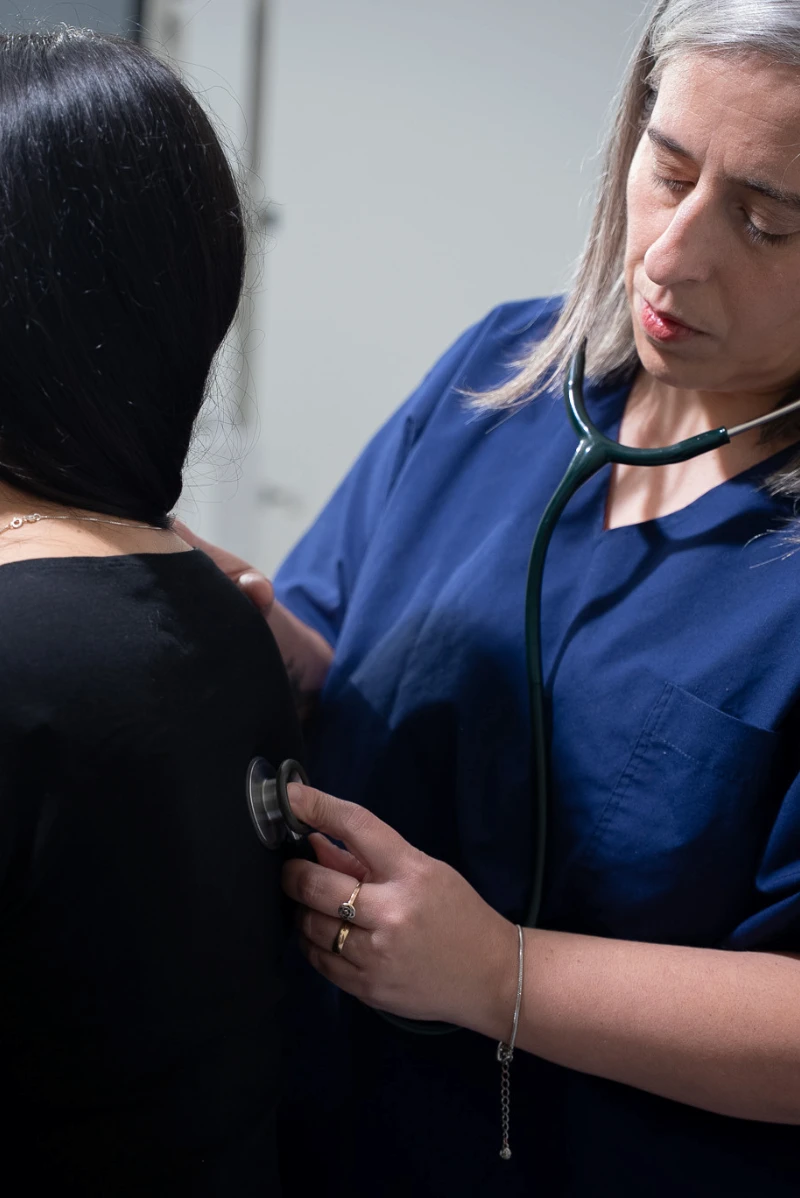
How can it present?
Shortness of breath
It may first appear during exertion and gradually start to limit less and less demanding activities.
Persistent cough
Inflammation of the airways can cause a chronic cough, with or without secretions.
Reduced exercise tolerance
Walking, climbing stairs or doing everyday activities may start to require frequent breaks.
Fatigue
The increased work of breathing may come with tiredness and a gradual reduction in physical capacity.
Limitation of everyday activities
In more advanced cases, actions such as getting dressed, walking short distances or speaking without pausing may be affected.
A therapy defined by the involvement of the lung tissue.
The lungs have their own biological mechanisms of adaptation and repair. However, in COPD with prolonged chronic inflammation and persistent structural damage, these mechanisms may not be enough to address the accumulated deterioration.
The treatment used at LYRACELL combines mesenchymal stem cells obtained from adipose tissue with immune system cells from the blood.
Under the protocols of the Moviglia Method, the LYRACELL team processes the cells in the laboratory and prepares a combination directed toward cell types linked to the affected lung structures —including the respiratory epithelium, vascular endothelium and supporting tissue, as appropriate—.
The stem cells are part of a preparation intended to support biological processes related to tissue remodeling and the modulation of the inflammatory environment. The immune system cells help direct the preparation toward the type of tissue being treated.
The preparation is administered intravenously, as part of a strategy defined according to each patient’s degree of lung involvement.
The combination of both cell types aims to support the body’s natural repair processes, through a personalized approach and under strict medical and safety criteria.
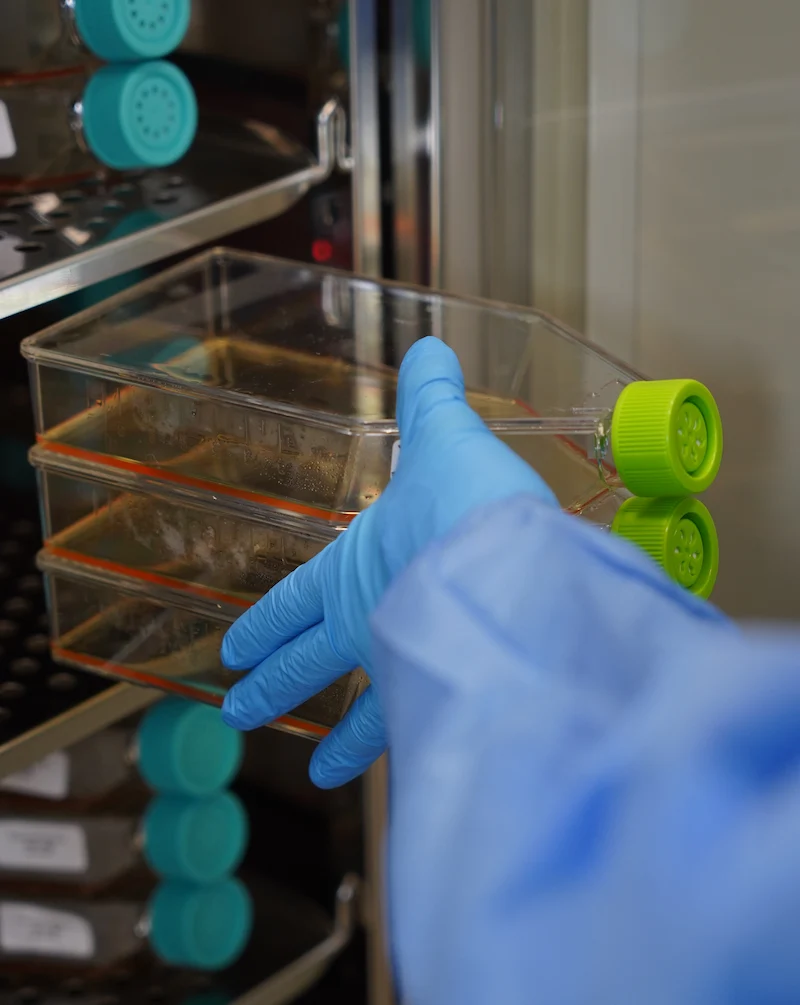
From the laboratory to the lung approach
The stem cells are obtained from the patient and, together with the immune system cells, are processed in the laboratory following the protocols of the Moviglia Method. Based on the evaluation of the airways, blood vessels and alveolar tissue, the LYRACELL team prepares a specific cell combination before administering it by intravenous infusion. Cell therapy is evaluated as part of a comprehensive approach and does not replace pulmonology treatment, inhaled medication, oxygen therapy when indicated or other measures needed to control COPD.


Four stages to address the lungs based on their functional and structural state.
The treatment is defined according to the extent of lung involvement, the course of the disease and each patient’s respiratory capacity.

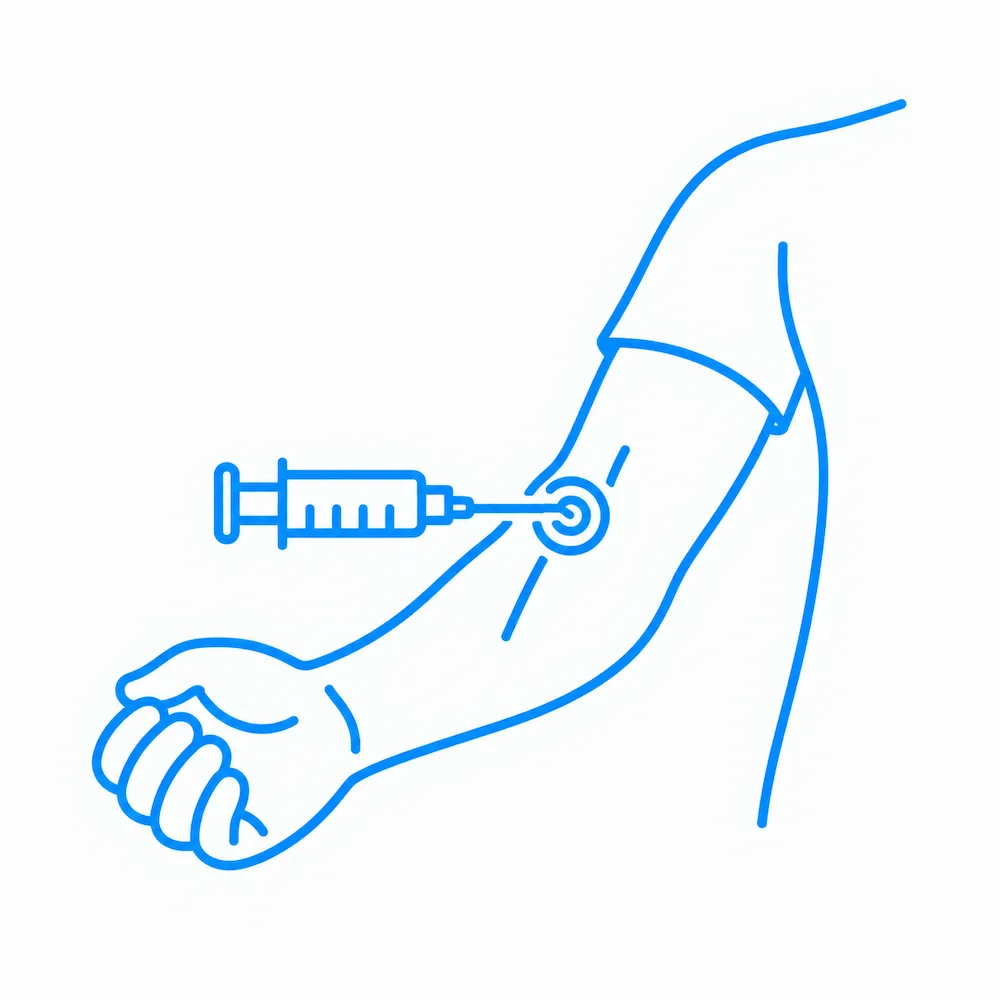
1
Evaluation
The medical history, the course of the symptoms and exposure to tobacco or other environmental or occupational agents are reviewed. This can be complemented with spirometry, chest CT, oxygen saturation, DLCO and other tests to analyze structural and functional involvement.
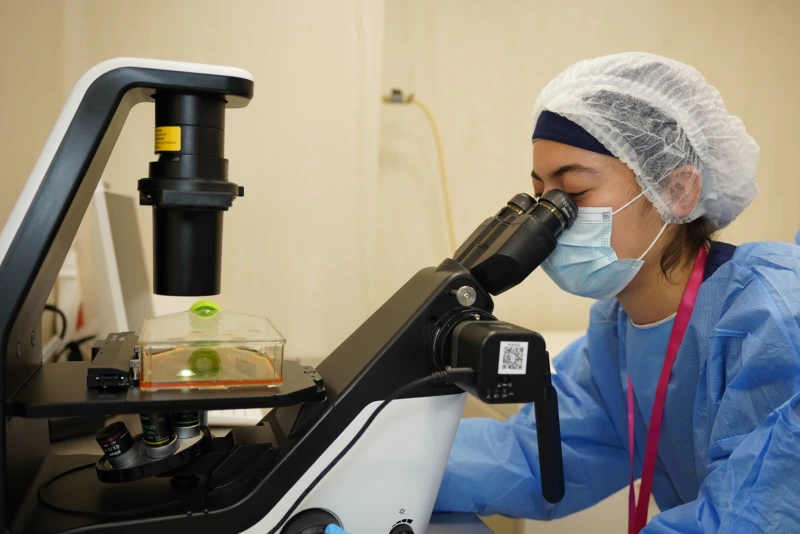
2
Treatment proposal
The medical team determines the degree of lung involvement and whether cell therapy can be part of the approach, and defines the volume and the preparation. If the patient is eligible, adipose tissue and blood are collected to process a combination adapted to the therapeutic goal.
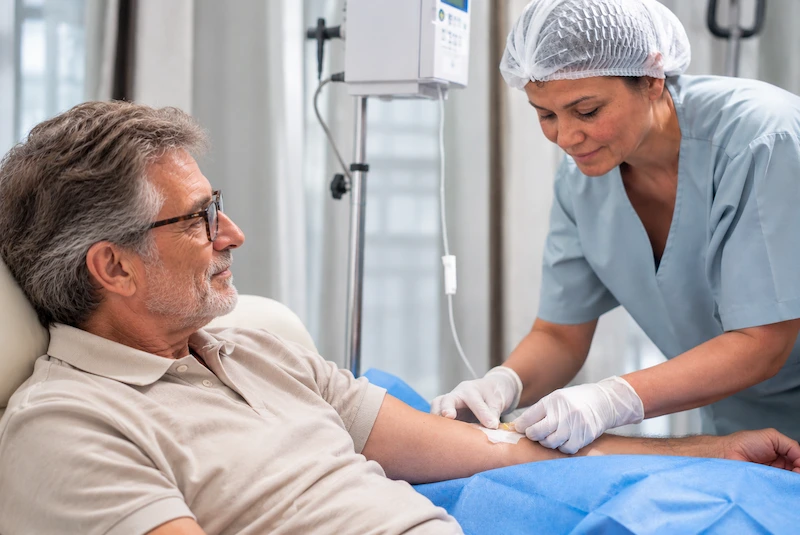
3
Application
The preparation of stem cells and immune system cells is administered by intravenous infusion. The number and frequency of applications are determined individually according to the severity of the clinical condition, the general state and each patient’s progress.
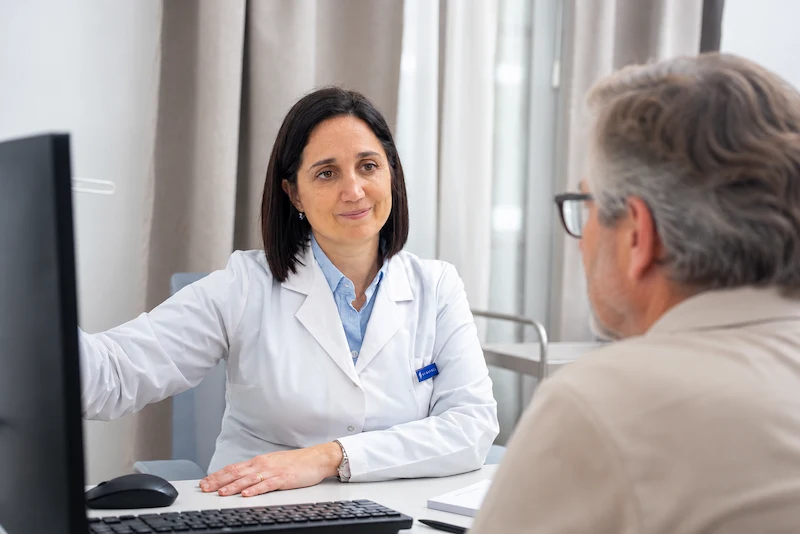
4
Follow-up
Fever, increased cough or difficulty breathing should be reported to the medical team. Pulmonary rehabilitation and respiratory physiotherapy may be added. Two or three applications over 6 to 12 months may be planned, monitoring symptoms, functional capacity and respiratory studies.
An accurate evaluation makes it possible to treat the specific problem, not just the symptom.
Could this treatment be an option for you?
The indication is defined individually and requires respiratory symptoms associated with lung involvement that can be demonstrated through diagnostic studies and pulmonary function tests.
It may be an option if…
You have shortness of breath, fatigue or limited physical capacity associated with COPD.
There is lung involvement demonstrated by diagnostic studies.
Spirometry or other functional tests show an alteration in respiratory capacity.
The disease is starting to limit everyday activities you used to do more easily.
There is involvement of the airways or alveolar tissue that can be evaluated for this approach.
Your condition is clinically stable and under pulmonology follow-up.
You want to evaluate a complementary approach defined by the structural and functional state of your lungs.
Another approach may be needed if…
There is an acute exacerbation or decompensated respiratory failure that requires immediate care.
There is critical ventilator dependence.
There is severe pulmonary hypertension that requires a specific approach.
There is an active respiratory infection that must be treated first.
The respiratory decline has another origin, such as an autoimmune disease, idiopathic pulmonary fibrosis or a neuromuscular disorder.
Studies do not show involvement compatible with this indication.
The indication is defined individually based on the medical evaluation, respiratory function and the corresponding studies.
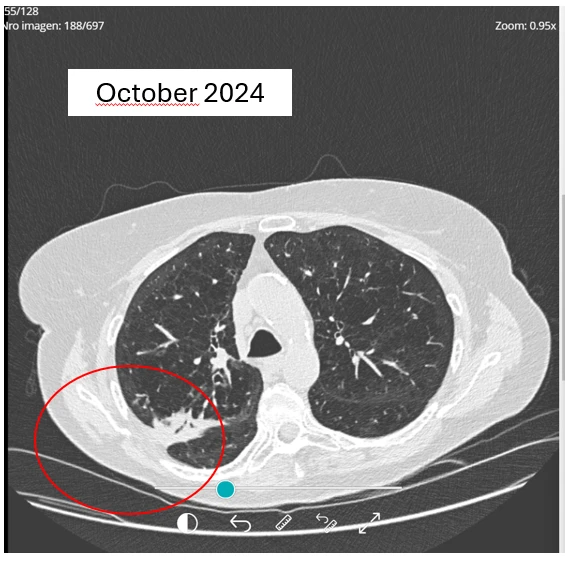
Images that make it possible to compare progress.
Follow-up images make it possible to compare the state of the lungs before treatment and at later check-ups. They correspond to a specific case: the response, timing and degree of progress vary from patient to patient.
Before
After
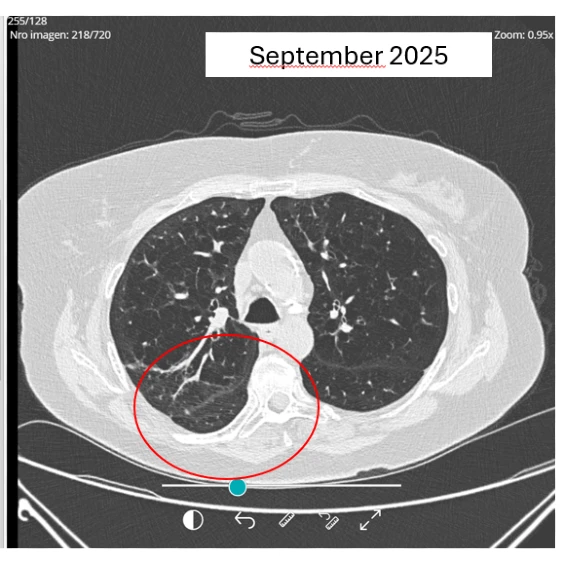
A 62-year-old patient with severe COPD. The patient received 3 applications of regenerative treatment. Comparing the CT scans before and after, we found:
- The damaged area in the right lung disappeared: the first scan shows a white patch in the back of the right lung, an area of inflamed or collapsed lung that was not taking part in breathing. In the second scan that area appears aerated again, with only a small scar line remaining.
- More lung working: as that area recovered, the lung surface available for breathing increased.
- Clearer-looking lungs: the lung tissue looks more uniform on both sides.
These results show a visible improvement in the state of this patient’s lungs, in a disease that usually tends to get worse over time.
Results may vary from person to person. Each case is evaluated individually.
Treating the lungs is part of the process. Supporting respiratory function is too.
In patients with COPD, treatment does not end with the cell application. Follow-up makes it possible to monitor respiratory progress and work on each patient’s functional capacity.
First days
The medical team carries out follow-up after the application and indicates the necessary care. Fever, increased shortness of breath, changes in secretions or an increase in cough should be reported and evaluated.
Pulmonary rehabilitation
Pulmonary rehabilitation and respiratory physiotherapy can support the process by working on breathing mechanics, muscle strength and exercise tolerance.
The level of activity is adapted to the respiratory condition and individual progress.
Risk factor control
Quitting smoking and reducing exposure to smoke, pollutants or occupational agents is part of the approach. Continued exposure to these factors can contribute to the progression of lung damage.
Measurable results
Follow-up makes it possible to assess changes in aspects such as shortness of breath, exercise tolerance and functional capacity.
Spirometry, DLCO, oxygen saturation measurement and other respiratory tests can also be repeated to compare progress with the starting point.
Frequently asked questions
Chronic Obstructive Pulmonary Disease is a respiratory condition with a persistent limitation of airflow associated with involvement of the airways, the lung tissue or both.
The involvement may include the bronchi, alveoli, blood vessels and other structures of the lung tissue. In many patients, airway inflammation and alveolar damage coexist.
Depending on the case, spirometry, chest CT, oxygen saturation measurement, DLCO and other pulmonary function tests may be used to analyze structural and functional involvement.
The base treatment is autologous: the stem cells are obtained from the patient’s own adipose tissue and the immune system cells from their blood. In certain cases, depending on the medical indication, immune system cells from a selected donor may be used.
The preparation of stem cells and immune system cells is administered by intravenous infusion.
Depending on the severity of each case, two to three applications over a period of 6 to 12 months may be planned. The number is defined at the start of treatment, as part of a plan with specific goals. At the end of the plan, progress is assessed and, if needed, further interventions are defined.
No. It is evaluated as a possible complementary component of the approach. Medication, oxygen therapy, rehabilitation and other pulmonology indications should be continued or changed only by decision of the treating physician.
It may be part of follow-up. Pulmonary rehabilitation and respiratory physiotherapy make it possible to work on breathing mechanics, physical capacity and exercise tolerance according to each patient’s needs.
Symptoms, functional capacity and parameters such as oxygen saturation are assessed. Spirometry, DLCO and other respiratory studies can also be repeated to compare progress with the initial state.
No. Shortness of breath can have respiratory, cardiac, hematologic, neuromuscular or other causes. The diagnosis requires a clinical evaluation and studies to identify its cause.
Severe or sudden shortness of breath, bluish lips, confusion, chest pain, persistent fever or a rapid worsening of cough and secretions require urgent medical care.
The first step is understanding how your lungs are working.
Every treatment begins with a medical evaluation to understand the structural and functional involvement of the lungs, determine the origin of the symptoms and define which approach may be right for you.